
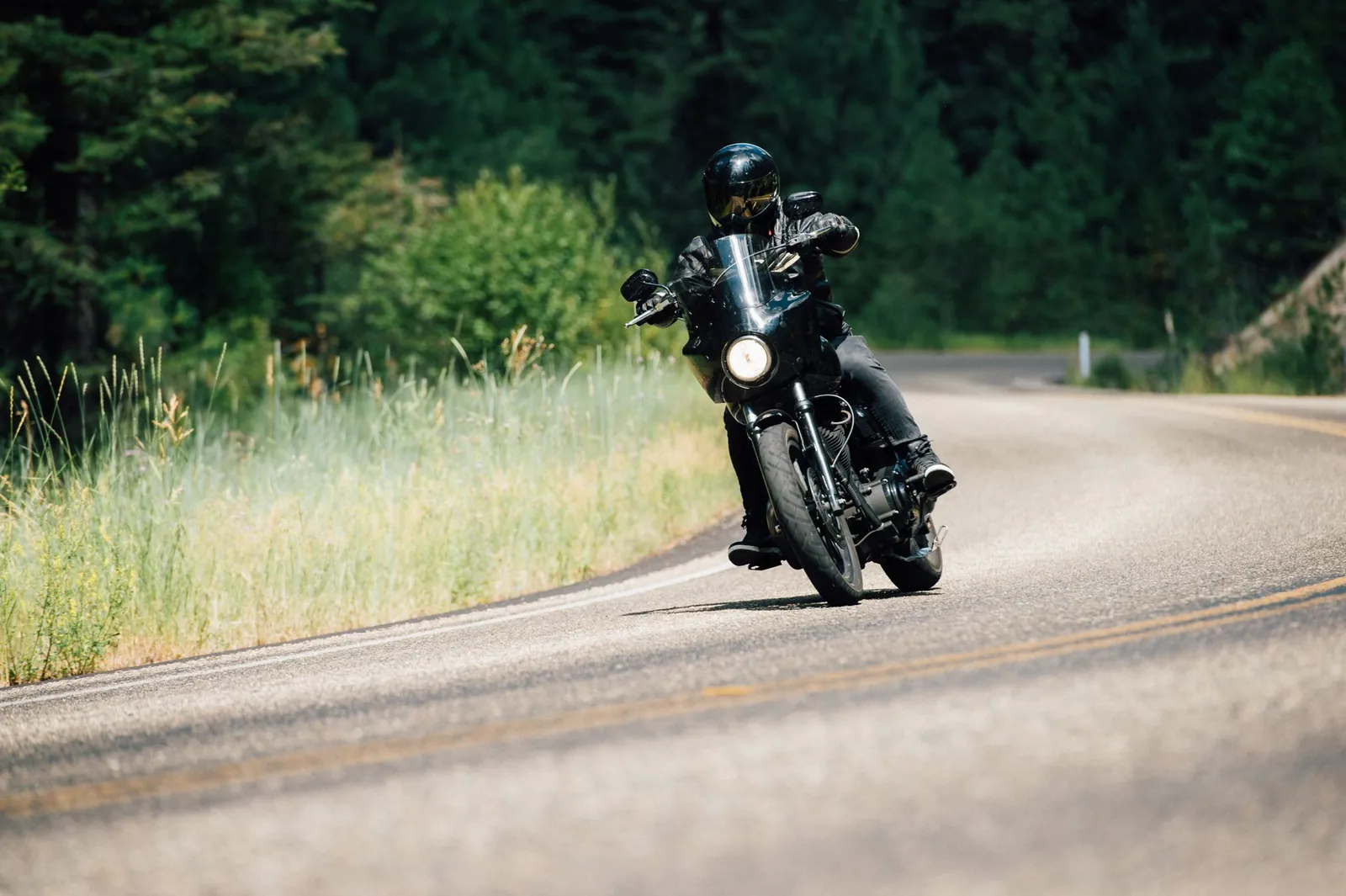
Most riders have that one old-school bike they'll never forget - the first one they rode, the one that got away, or the one they've sworn they'd fix up someday. These bikes are connections to the past as much as they are machines. Tyler's first bike was a Rupp mini at four years old, so our love for vintage bikes runs deep - whether yours is a dusty backyard find, a family heirloom, or the bike you've always wanted and finally got.
There's no strict cutoff, but bikes older than the early 1990s are generally considered vintage, especially the ones built with that simple, no-frills mechanical honesty. Working on them isn't always fast or easy, and it's rarely the most profitable job on the board - but it's a labor of love. It takes mechanical know-how, patience, and respect for how these bikes were built, which is why Fastback Moto is one of the few shops that actually welcomes them in. We like the detective work, the tuning, the challenge - and that moment an old motor breathes again.
Tips to Keep Your Vintage Bike in Top Shape
Use Ethanol-Free Gas
Vintage rubber and gaskets weren't built to handle modern ethanol blends. Ethanol-free fuel cuts down on wear and makes cold starts easier, especially on a bike that sits for long stretches. See our full fuel facts guide for more on picking the right gas.
Treat Your Tank Right
A tank with rust or damage needs to be fully stripped of rust and debris before it gets resealed - don't just coat over it. Steer clear of Kream-style coatings; they tend to flake off and clog your fuel system. We recommend Caswell epoxy tank sealer instead - it bonds better and holds up to ethanol.
Stick With OEM Carbs When Possible
Don't toss your original carburetors. Most of the time we can clean, rebuild, and re-tune them - aftermarket carbs often cause more tuning headaches than they solve.
Don't Skip Basic Maintenance, Even in Storage
A bike that isn't ridden often still needs attention:
- Drain the Tank: Rather than relying on fuel stabilizers.
- Keep the Battery Charged: Start the bike every couple of weeks, or disconnect the battery entirely.
- Check Tire Pressure: Before each ride and periodically while sitting. Tires should also be replaced every 5 years regardless of tread wear.
- Lubricate the Chain: Even between rides.
- Ride It Every Few Weeks If You Can: Keeps the clutch and seals properly lubricated.
- Keep It Out of the Elements: A garage or covered space beats direct sun and weather exposure.
UV exposure and time make vintage plastics and wiring brittle. When you're working on the bike yourself, go slow when unplugging connectors or removing covers so you don't crack an old part that's gotten fragile with age.
Thinking of Buying a Vintage Bike? Here's What to Watch For
If you're shopping for a classic, bring a checklist - or have us check it out first.
What to Look For
- Matching VINs: Engine and frame numbers should match.
- Original Paint or Decals: A sign the bike hasn't been heavily reworked.
- An Intact Wiring Harness: No wild splices or electrical tape patches.
- A Clean Title: Or at minimum, a verifiable bill of sale.
- Good Compression: We can test this for you.
- Completeness: Missing parts mean more expense later.
Red Flags
- Missing Side Covers or Gauges: Usually means parts have already started disappearing - budget for tracking more down.
- Rust in the Tank: A little is fixable - a lot is a project.
- A Rebuilt Title With No History: Ask what happened, and get it in writing if you can.
- Cracked Engine Cases or Stripped Bolt Holes: Often a sign of a rough repair history.
- No Proof of When It Last Ran: Makes it hard to know what you're actually buying.
If you're unsure, bring it by or send us pictures. We'll help you figure out if it's a solid find or a money pit in disguise.