385-777-2536 info@fastbackmoto.com
Winter Riding: What to Know, Where to Go

Winter Riding: What to Know, Where to Go

Winter Riding: Your Guide to Keeping the Adventure Alive with Fastback Moto

When the temperatures drop, the itch to ride doesn’t just vanish. For some of you, winter means parking the bike and dreaming of spring. But for the rest of us? It’s a chance to embrace the crisp air, conquer new terrain, and keep the adrenaline pumping. Whether you’re a die-hard road warrior, a snow bike thrill-seeker, or just planning for next season, our full-service motorcycle shop in Utah has you covered.

Here’s our ultimate guide to making winter your favorite riding season, packed with tips, destinations, and ways we can help you keep rolling.
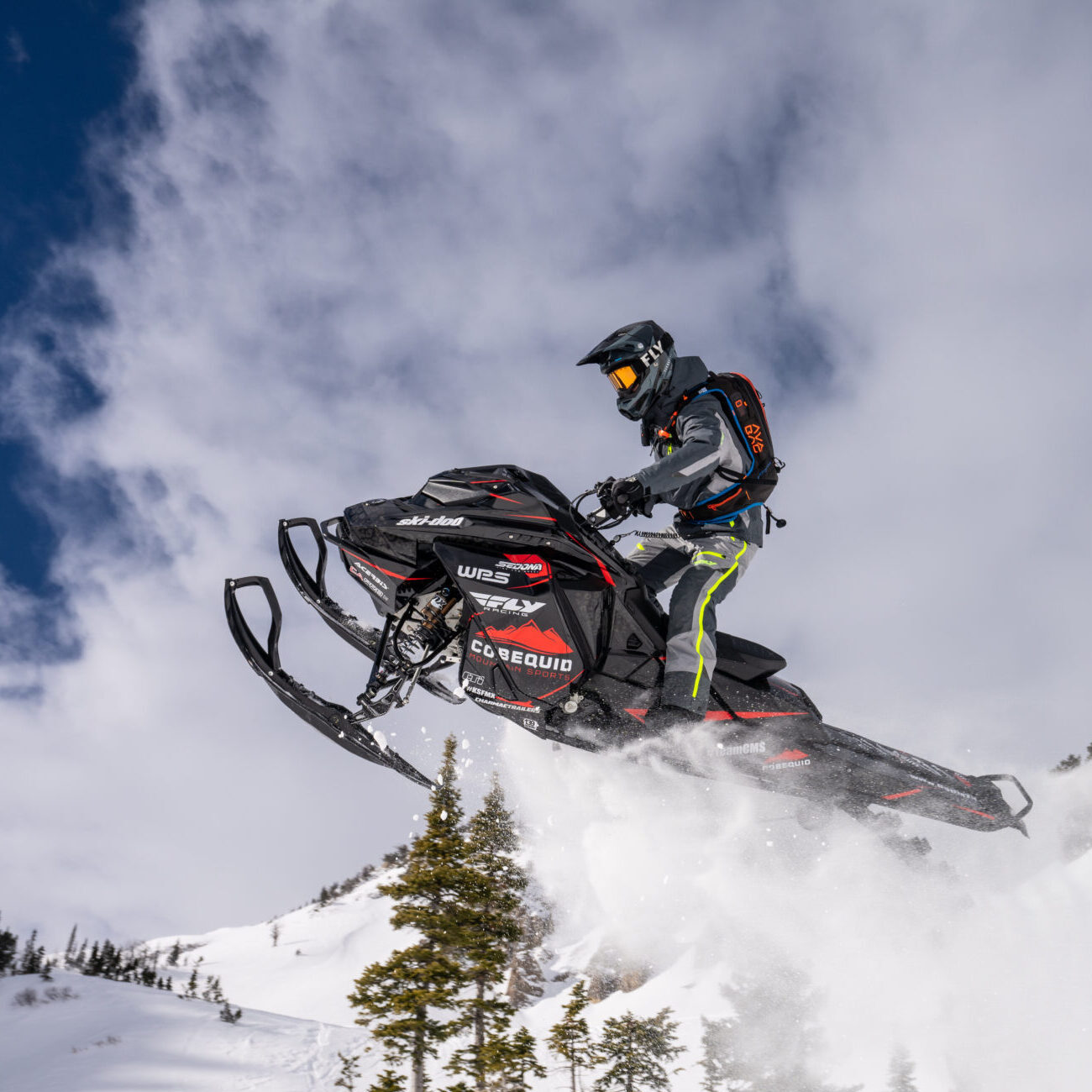
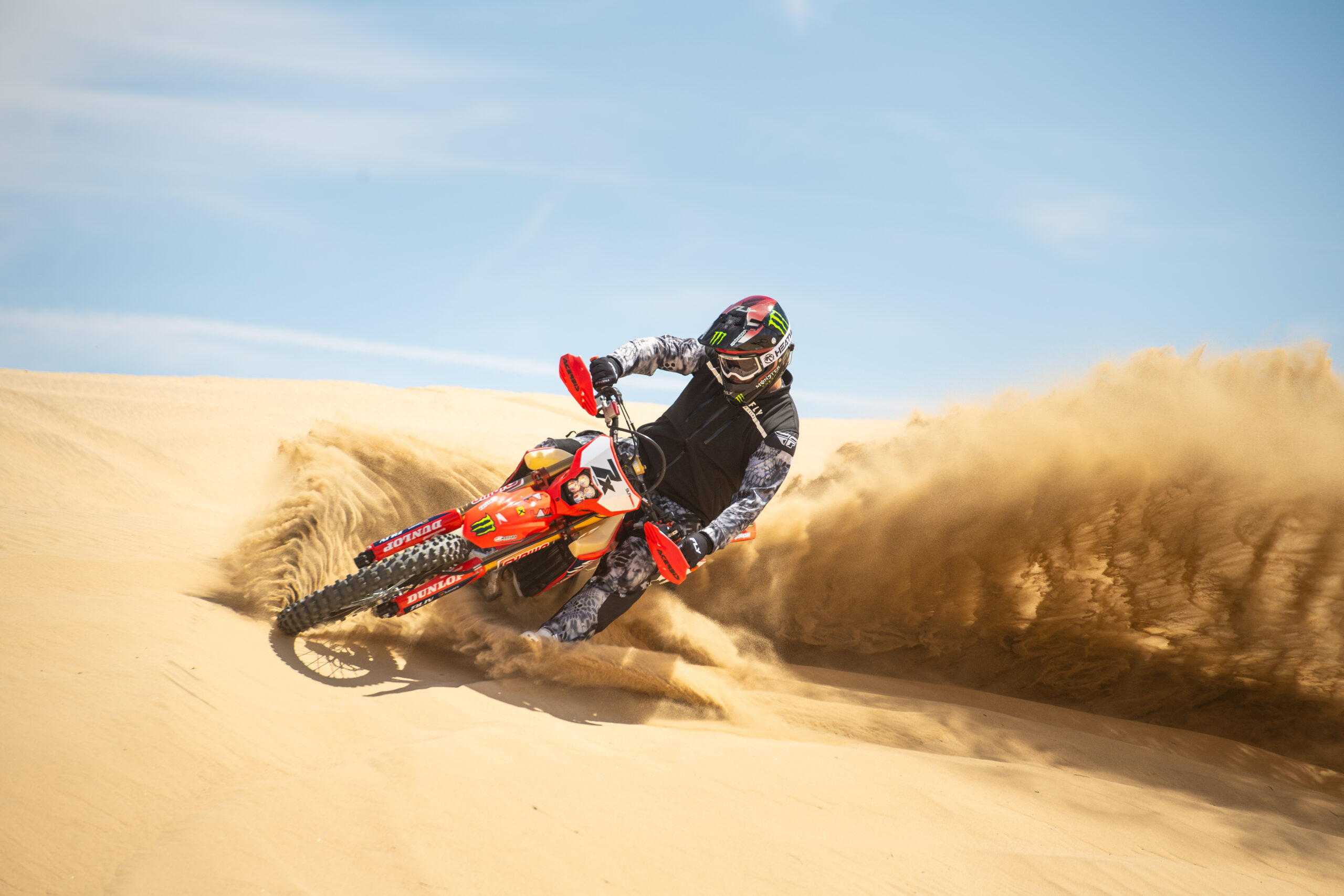
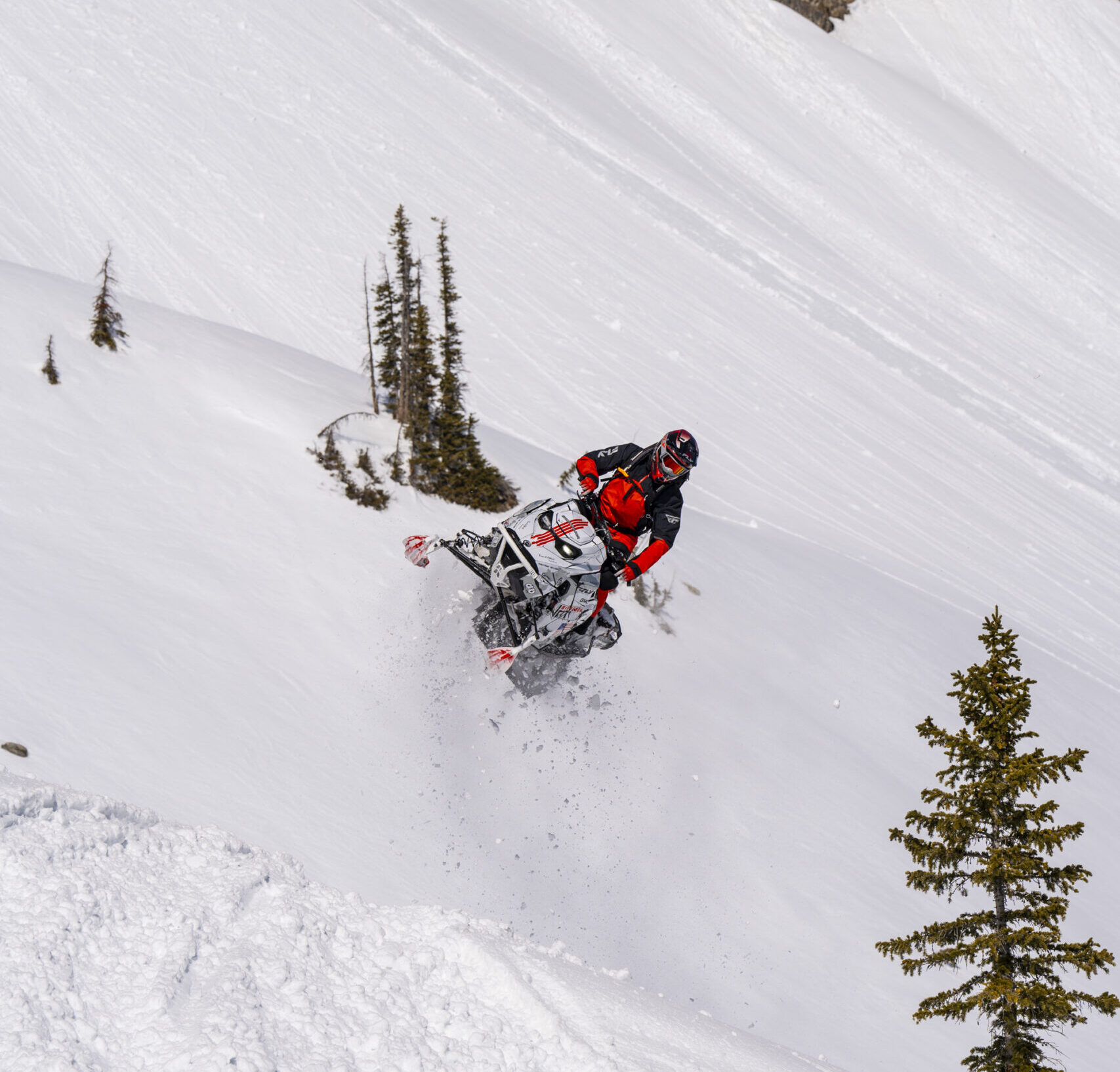
A man on a black snowmobile soars through the air against a cloudy blue sky, captured mid-jump with snow-covered mountains and pine trees in the background. He wears a black helmet and winter gear, leaning forward as the snowmobile tilts slightly upward.

Why Winter Riding Rocks

Winter isn’t just about bundling up—it’s about discovering new adventures and getting ahead on bike prep. At Fastback Moto, we see riders transform the cold months into prime time for epic rides, maintenance, and upgrades.

From the stunning trails of southern Utah to the thrill of snow biking, there’s no reason to let your bike hibernate. Let’s dive into where to ride, how to prep, and why stopping by our shop is the best move you’ll make this season.

Where to Ride: Southern Utah’s Winter Wonderland

When snow and ice blanket northern Utah’s roads, southern Utah becomes a rider’s paradise. With mild temperatures and jaw-dropping scenery, it’s like spring riding all winter long. Whether you’re into street cruises or off-road adventures, here are some must-ride spots:

  • Zion Canyon Loop: This street ride offers cool temps, breathtaking red rock views, and fewer crowds in winter. Perfect for soaking in the scenery without the summer rush.
  • Scenic Byway 12 (Boulder to Escalante): A street rider’s dream with sweeping curves and vibrant landscapes. It’s a ride that feels like a journey through a postcard.
  • Beaver Dam/Mesquite: For off-road enthusiasts, this area delivers endless trails and open desert to explore. It’s a playground for dirt bikes and adventure riders.

Pro Tip: Elevation matters! Above 6,000 feet, temperatures can drop fast, so pack layers and check the forecast. Need help planning your route? Check out Butler Maps for expertly crafted motorcycle maps or create your own custom route to make every ride unforgettable.

Snow Bikes: Turn Your Dirt Bike into a Winter Beast

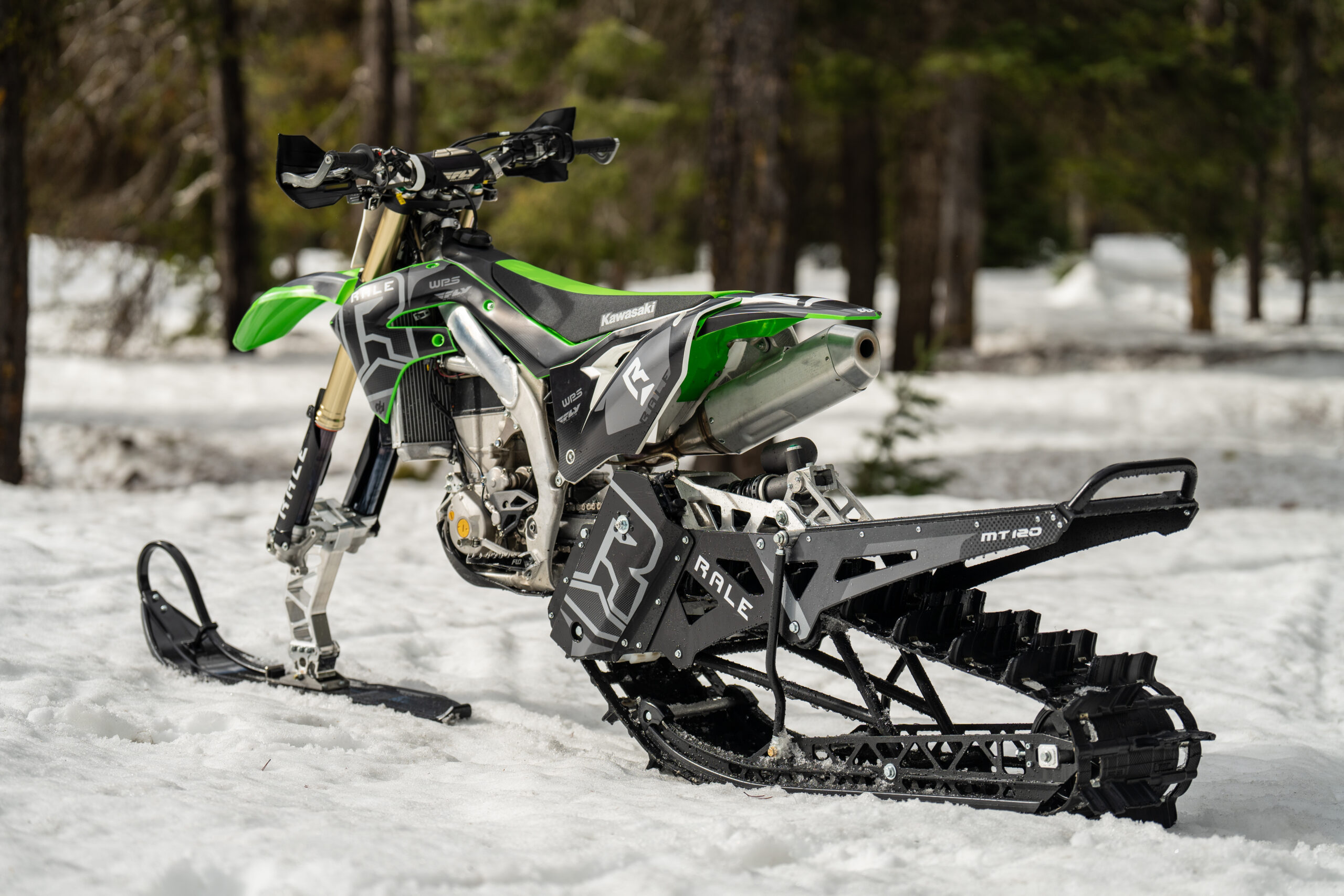
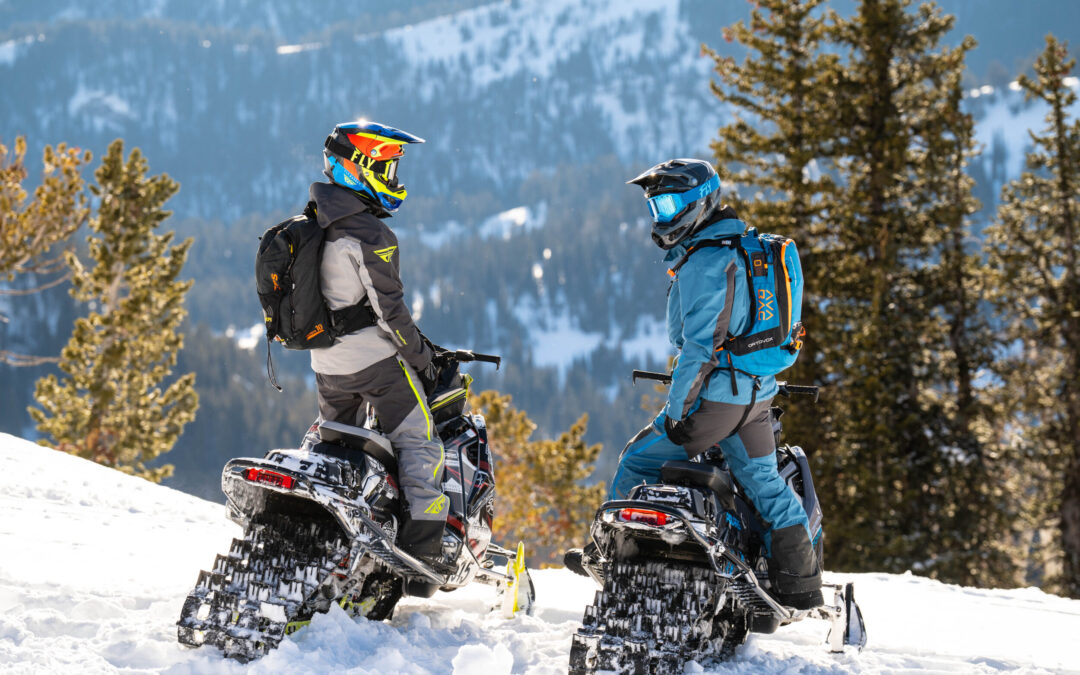
If you haven’t tried a snow bike yet, you’re in for a treat. By swapping your dirt bike’s wheels for a front ski and rear track, Utah’s backcountry becomes your playground, from snowy forests to open slopes. At Fastback Moto, we can help you with:
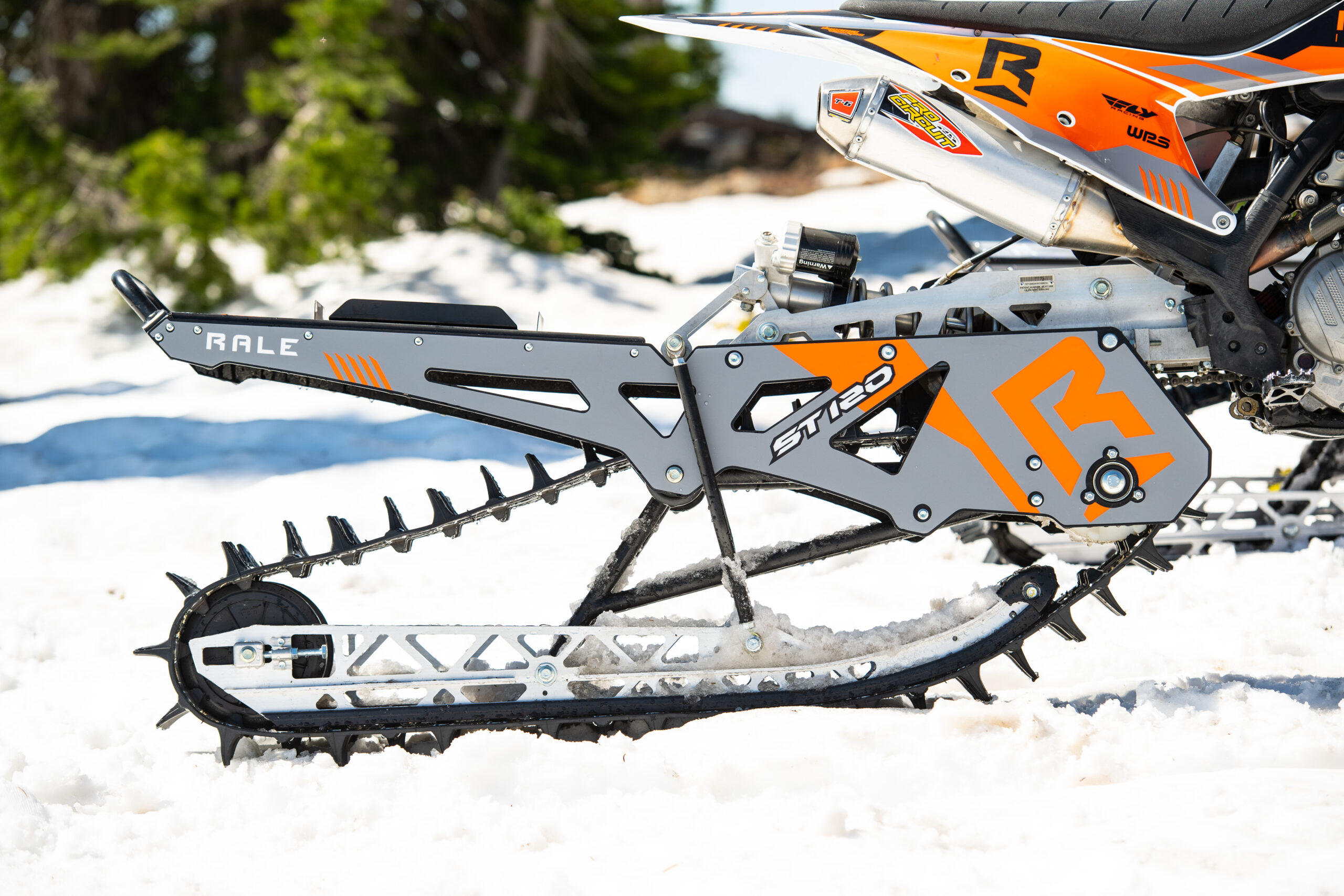
A man on a black snowmobile soars through the air against a cloudy blue sky, captured mid-jump with snow-covered mountains and pine trees in the background. He wears a black helmet and winter gear, leaning forward as the snowmobile tilts slightly upward.
  • Snow Bike Conversions: We’ll guide you through choosing the right kit and handle the installation for peak performance.
  • Preseason Inspections: Ensure your bike is ready for the snow with a thorough check-up.
  • Storage Prep: We’ll prep your standard dirt bike setup for storage, so it’s ready when the snow melts.

Curious about snow biking? Swing by our shop, and we’ll walk you through the process, from kit options to tuning tips for flawless performance in freezing temps. It’s the ultimate way to keep riding while others are stuck shoveling snow.

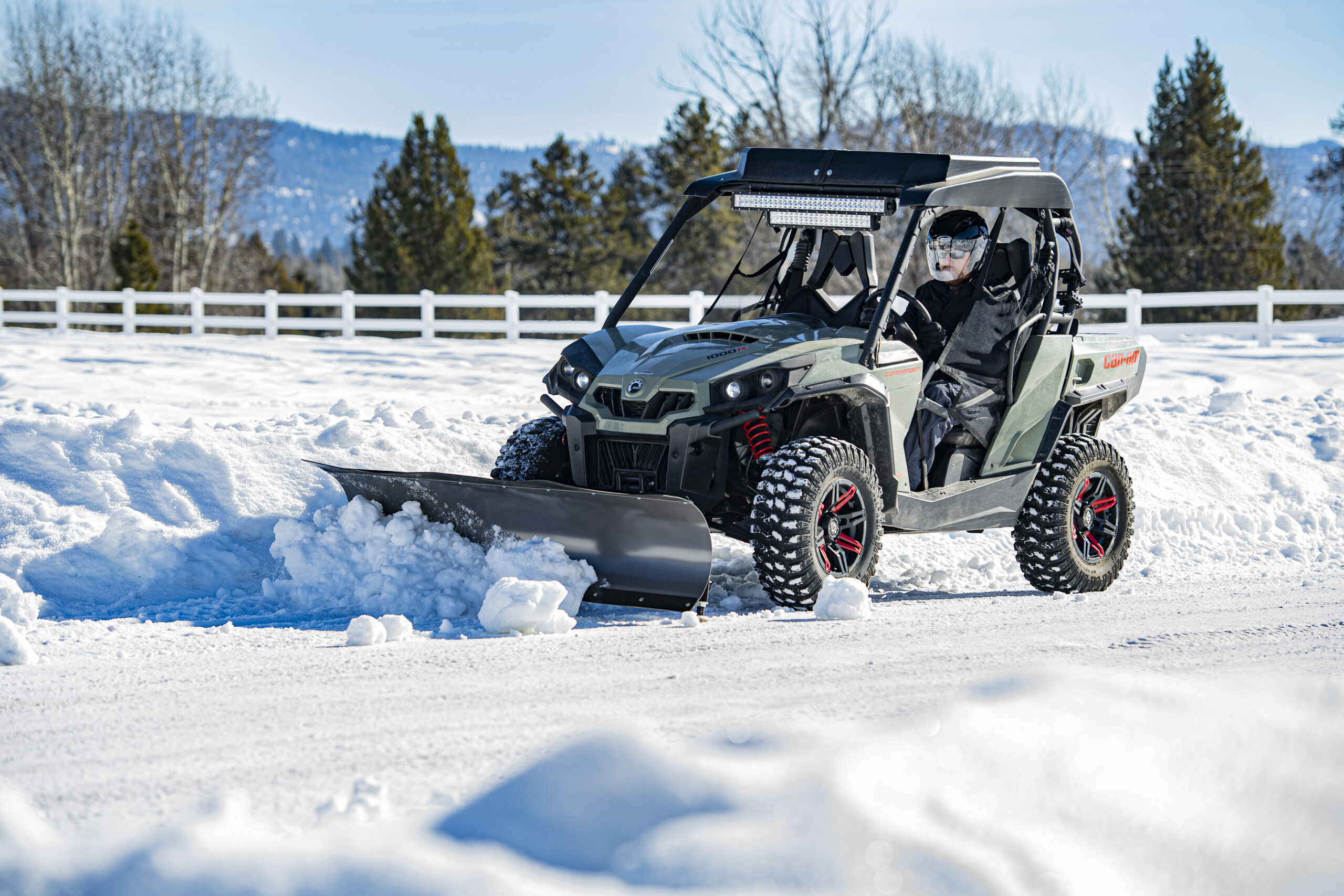
Winter Utility: Make Chores Fun with ATV/UTV Plows

Winter riding isn’t always about adventure—sometimes it’s about getting stuff done. If you own an ATV or UTV, a snow plow attachment can turn clearing driveways or trails into a blast. At Fastback Moto, we’ve got everything you need to make your machine winter-ready:

  • Plow Kit Installation: We’ll mount and adjust your plow for maximum efficiency.
  • Winch & Electrical Checks: Ensure your systems are ready for heavy-duty work.
  • Winterization: We’ll prep your ATV or UTV for reliable cold starts, so you’re never stuck.

Looking to upgrade your setup? Now’s the perfect time to add accessories or fine-tune your machine before the next big storm hits. Stop by, and let’s get your rig ready to tackle winter chores with ease.
For the Die-Hards: Road Riding Through Winter

For those of you who refuse to let snow or cold stop you, we salute your grit! Winter road riding—whether commuting or cruising for fun—takes serious prep. Here are some battle-tested tips from the Fastback Moto crew:

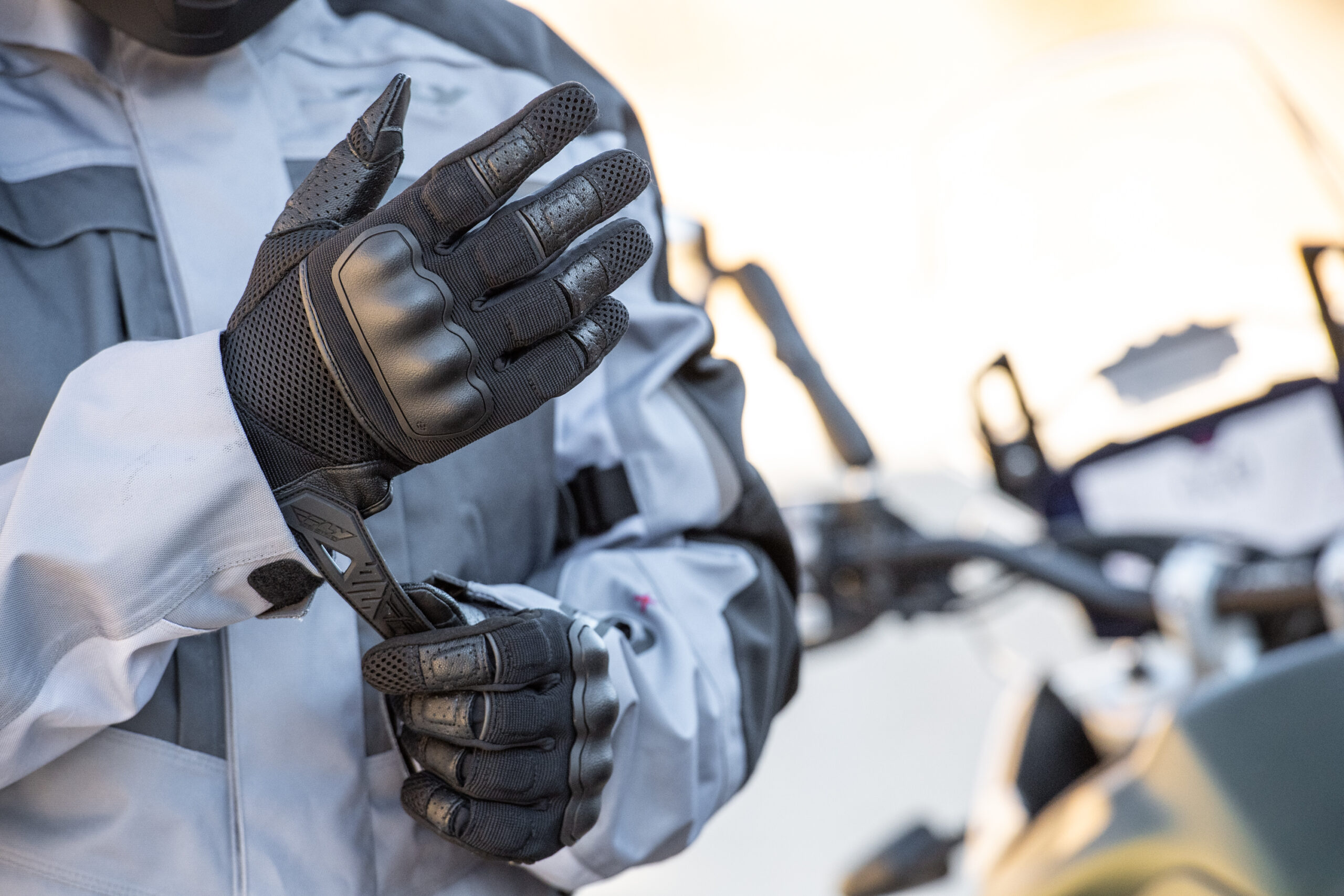
  • Gear Up Smart: Invest in heated gear (trust us, it’s a game-changer). Quality windproof liners and waterproof layers are worth their weight in gold.
  • Tire TLC: Cold temps lower tire pressure, so check it before every ride. Consider winter compound tires for better grip if you’re a regular winter rider.
  • Stay Visible: With low sun angles and early sunsets, visibility is critical. Add reflective gear and LED lighting to stand out.
  • Mind the Road: Salt and sand help cars but can mess with your traction. Take corners slow and wash your bike regularly to prevent corrosion.

Not sure if your bike’s ready for winter’s challenges? Bring it to Fastback Moto for a full winter inspection. We’ll check fluids, battery, tires, and electrical systems to keep you safe and rolling all season long.

A man on a black snowmobile soars through the air against a cloudy blue sky, captured mid-jump with snow-covered mountains and pine trees in the background. He wears a black helmet and winter gear, leaning forward as the snowmobile tilts slightly upward.

Fair-Weather Riders: Winter Storage Done Right

If winter riding isn’t your thing, no worries—Fastback Moto has your back. Our climate-controlled storage keeps your bike safe from snow, rain, and corrosion. We go the extra mile by starting your bike every couple of weeks to keep the battery charged and fluids circulating. Why? Because regular startups are the secret to a healthy motorcycle. With our storage service, your bike will be primed and ready when spring arrives, giving you peace of mind and a head start on the season.

Why Winter Is the Best Time to Visit Fastback Moto

Winter is the off-season for many riders, which makes it the perfect time to tackle those big projects or upgrades. At Fastback Moto, our full-service shop is ready to help you get ahead:

  • Beat the Spring Rush: Schedule major services, rebuilds, or carb work now to avoid the wait.
  • Upgrade Your Ride: From tire swaps to performance tuning or custom installs, we’ll get your bike dialed in.
  • Join the Community: Follow us on social media for updates on winter classes, events, and meetups. Let us know what kind of workshops you’d love to see!

Our shop is more than a service center—it’s a hub for riders who live for the open road (or trail). Stop by, grab a coffee, and let’s chat about your winter plans. We’re as passionate about your bike as you are.

Keep the Adventure Rolling with Fastback Moto

Winter doesn’t have to mean downtime for riders. Whether you’re carving through southern Utah’s deserts, shredding snow-covered trails, or prepping for spring, Fastback Moto is here to keep your bike in top shape. From snow bike conversions to winter storage and everything in between, our team is all about fueling your passion for riding.

Ready to make this winter your best riding season yet? Visit Fastback Moto, drop by the shop, or give us a call. Let’s talk about your winter setup and plan the adventures ahead. Keep the throttle open, and we’ll see you on the road—or in the snow!
Motorcycle Myths That Need To Die (Before You Do)

Motorcycle Myths That Need To Die (Before You Do)

Motorcycle Myths That Need to Die (Before You Do)

Let’s clear the air and bust some long-standing myths throughout the motorcycle community. Whether they’re about safety, gear, performance, or maintenance, buying into a myth can cost your hard earned money and a slightly shameful visit to a local motorcycle shop. At Fastback Moto, we believe in cutting through the BS and helping you stay safe on the road with smart, safe, and fact-based riding practices.

Whether you’re on the road, on the trail, or in the garage, here’s what’s real and what’s BS.

🛡️ SAFETY & GEAR 

❌ MYTH

❌ “Full-face helmets block your vision.”

Not true. DOT- and ECE-certified full-face helmets must meet strict field-of-vision standards. typically provide a 210° field of view—more than your own peripheral vision can process. If your helmet feels limiting, it’s likely a fit issue, not a design flaw.

❌ “Helmets increase the risk of spinal injury.”

This myth came from a debunked study in the 1980s. Modern helmets distribute force to reduce trauma to the brain and neck.

❌ “Only wusses wear protective gear.”

This one’s as tired as an unbalanced chain. Protective gear isn’t about fear—it’s about respect: for yourself, your passengers, and the road.

❌ “Leather offers the best protection.”

Leather’s tough—but many modern textile suits outperform it in abrasion resistance, weatherproofing, and armor placement.

❌ “You don’t need gear for short rides.”

Most accidents happen close to home, not on long hauls.

“Lane splitting is dangerous.”

In Utah, lane filtering is legal in certain situations. It’s not the same as California-style splitting, and when done correctly, it’s been shown to reduce rear-end collisions.

✅ FACT

We recommend properly fitted full-face helmets for the best protection, visibility, and comfort.

Bonus: it protects your face from wind, bugs, rain, and road debris.

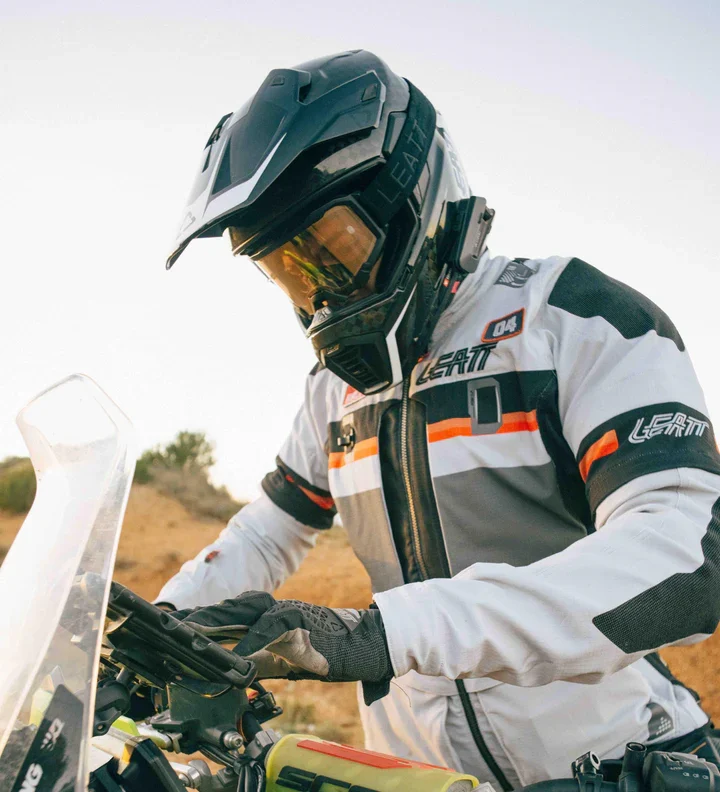
We recommend: Look into gear like Leatt’s helmet + neck brace system—designed to reduce rotational forces and protect your cervical spine. Better tech, smarter safety.

Better Tech, Smarter Safety

We recommend: Find gear that’s CE-rated, fits right, and is comfortable enough that you’ll actually wear it. The best gear is the gear you’ll put on every ride, even for a quick trip.

We recommend: Look at textiles with CE Level 2 armor, high-denier fabrics, and impact zones. The best gear for you is what fits, protects, and breathes well enough to use consistently.

We recommend: Always gear up. Even for a 5-minute ride, gloves, a helmet, jacket, and boots can prevent lifelong injuries.

We recommend: Know and follow Utah lane filtering laws, and do it safely: low speed, awareness, and consideration.

🔧 MAINTENANCE MYTHS

❌ MYTH

“Follow the pressure printed on the tire.”

That’s the maximum pressure, not the ideal one for your bike.

“If my bike ran fine in winter, it’s good to go now.”

After winter, your battery might be weak, tire pressure low, fuel stale, or carbs gummy.

“Used bikes save money.”

Sometimes. Other times, they’re a money pit in disguise.

“Heavy-duty tubes are always better.”

HD tubes are great for off-road abuse, but they can overheat or be harder to change for daily riders.

“Fuel additives boost performance or fix bad gas.”

Some stabilizers help keep fuel fresh, but they won’t “fix” old gas or act as miracle performance boosters.

❌”Regular revving keeps your engine healthy.”

Free-revving while idling just builds heat, wears parts, and wastes fuel.

✅ FACT

We recommend: Always check your owner’s manual or swingarm sticker for the correct PSI, adjusted for load and riding conditions.

We recommend: A full spring check. Want help? Schedule a pre-season tune-up or check out our Winter Storage Tips to avoid issues next year.

We recommend: Never buy blind. Schedule our 30-minute pre-purchase inspection to catch hidden issues before they cost you.

We recommend: Match your tube to your terrain and usage. Ask us if you’re not sure.

We recommend: Use additives like STA-BIL during storage, and always run fresh, high-quality fuel—not lawnmower leftovers.

We recommend: Take it for a real ride, or use a battery tender during downtime. Cold revving = no real benefit.

🔧 PERFORMANCE & CUSTOMIZATION MYTHS

❌ MYTH

“Aftermarket parts always improve performance”

Some do, but many aftermarket exhausts or intakes reduce performance if not tuned properly. You may lose torque or run lean.

“American made is always better.”

We love U.S. brands, however, even Harley, Indian, and big-name gear producers use global parts. The truth is: quality varies by component, not country. 

“The newest model is always the best.”

New bikes often mean new tech. Although it doesn’t always mean better reliability or value.

❌”I’ve been riding for years. I don’t need a training course.”

Experience is great—but skills fade. And road conditions, laws, and bikes evolve.

✅ FACT

We recommend: Tune with intent. Stay tuned for our upcoming post on Aftermarket Mods We Actually Recommend.

We recommend: Focus on proven build quality and user experience. A well-made part, wherever it’s assembled. 

We recommend: Check out our upcoming feature on New vs. Legendary Bikes for perspective.

We recommend: Take an advanced or refresher course every few years. Many insurance companies even offer discounts.

🚦 Final Thoughts: Let’s Keep Each Other Rolling

Whether you’re wrenching, riding, or just getting back in the saddle, having accurate information matters. The more truth we share as a riding community, the safer—and more fun—it gets for all of us.

✅ Want to ride smarter this season?

  • Bring your bike in for a spring checkup or safety inspection
  • Schedule a 30-min pre-purchase inspection before buying used
  • Ask us any myth you’ve heard—and let us bust it with facts

👇 Drop your questions, comments, or myths you’ve heard in the comments below or swing by the shop. We’re always down to talk bikes—and set the record straight.

How to Pick a Motorcycle Shop you can Trust

How to Pick a Motorcycle Shop you can Trust

How to Spot a Credible Shop

Finding a good motorcycle shop shouldn’t feel like rolling the dice – but for a lot of riders, it does. You drop your bike off, cross your fingers, and hope you get it back running right without feeling ripped off. Unfortunately, in the powersports world, that’s a story we hear way too often. 

Some shops cut corners. Some overcharge. Some just don’t listen. And others are more focused on selling the next shiny thing than making sure your current ride is safe and solid.

So, how do you know who to trust? Let’s talk about how to spot a credible shop, and where Fastback Moto fits in that picture. 

Understand the Different Types of Shops

Not all motorcycle businesses operate the same way, and knowing what kind of shop you’re dealing with can help set expectations.

1. Dealerships (Sales-Driven Shops) 

Dealerships are great if your buying a brand-new bike or need warranty work. Their business model revolves around sales first, service second. Service is often seen as a support department, which means their techs are busy, labor rates are high, and you might wait weeks for an appointment.

2. Independent Shops (Service-Driven Businesses)

Independent shops like Fastback Moto focus on what happens after the sale, keeping your bike on the road. We’re not here to push a new model; we’re here to make yours last as long as possible. Our work depends on reputation and word of mouth, not corporate quotas or bonuses. 

3. Hybrid or Hobby Shops 

These are often smaller or newer outfits that take on work here and there, sometimes great, sometimes not. The issue is consistency. One bike might get full attention while another gets rushed because thy lack systems, staffing, or standards. 


What to Look for in a Credible Shop 

Whether you ride a Harley, Honda, or Husky, here are the signs of a shop you can trust your machine with:

✅ Transparency
You should always get clear communication before and during a job — no surprise charges, no vague “we’ll see what it needs.” A good shop explains what’s wrong, what it costs, and why.

✅ Skill & Experience
Ask questions! A real shop won’t get defensive. They’ll gladly tell you their experience with your make or model, and even show photos of previous work.

✅ Clean, Organized Workspace
A clean shop is a sign of pride. Tools in bins, parts labeled, workstations neat — it all reflects how they’ll treat your bike.

✅ Good Documentation
Shops that track work with detailed notes and pictures are the ones that stand behind what they do. It’s proof, not promises.

✅ Respect for You and Your Bike
If you ever feel dismissed, rushed, or ignored, walk away. A trustworthy shop treats every customer with respect, whether you ride a sportbike, cruiser, or dirt bike.

Red Flags: Spotting Shady Workmanship or Bad Advice

If something feels off, it probably is. Look out for these warning signs before handing over your keys:

  • Vague estimates or no written quote. A good shop should explain what’s being done and what it costs.
  • They badmouth other shops instead of focusing on their own quality.
  • “That’ll fix it” without diagnosing the problem. Real techs verify, test, and confirm.
  • No clear timeline or communication. Silence and missed updates usually mean disorganization.
  • Pressure to do unnecessary repairs or “upgrades” you didn’t ask for.
  • Poor documentation or missing parts tracking. If they can’t show where your parts went, that’s a problem.
  • No test ride or quality check before pickup. Every proper job ends with a verification run.
  • Inconsistent or sloppy notes. If they can’t clearly explain what was done, they might not fully know.

Shops We Trust and Recommend

It might seem counterproductive to recommend other shops, but at Fastback Moto, we’re all on the same team. We’d rather see riders on the road safely and confidently than watch someone give up after a bad experience.

We don’t want to fix other shops’ mistakes, we want to raise the standard so every rider gets the quality and care they deserve. When good shops work together and share knowledge, everyone wins.

We’re proud to share the road with other businesses that take pride in their craft, serve their niche well, and care about the community just like we do. With that being said, here are a few shops we know and respect – each with their own specialty and strengths:

Shop Name Shop Strengths Link
Blakline Speedshop Harley-Davidson  specialists who know their way around the big twins like nobody else. Solid craftsmanship, straight talk, and all-around good people. Instagram
Blue Planet Scooters The go-to spot for scooter riders Facebook
Hell's Monkey Custom builds and performance work done right. If you like your bike loud, wild, and one-of-a-kind, this crew delivers Facebook
Charged Cycle Works Electric motorcycle pros who are leading the charge (litterally) in Utah's EV power sports scene. Website
Salt City Builds Fabrication, designe, and full builds with serious attention to detail. A true staple in the Utah custom community. Website
The Chapel A creative shop and community hub for riders who appreciate craftsmanship, design, and culture. Always something cool rolling out of there. Website
Turn & Learn For riders who want to get hands-on and learn how to wrench themselves, this is the spot. Education, empowerment, and skill-sharing done right. Website

At Fastback Moto, we know we’re not the only good shop out there — and that’s a good thing. Riders deserve options, collaboration, and quality wherever they go. We’re proud to be part of a growing community of builders, tuners, and techs who all share the same goal.

Interview Your Shop – Questions to Ask Before You Commit

A good shop welcomes questions. Here are a few that separate the real deal from the guessers:

  • “Can you show me your process for diagnosing this issue?”  You are looking for structure – not guesses.
  • “What parts and brands do you typically use?”Quality shops have preffered suppliers they trust. (OEM, SKF, HiFlo, EBC, Moose Racing, JD Jetting, etc.)
  • “Do you provide photos or notes of work done?” Transparency matters. Good shops document as much as possible.
  • “How do you handle warranty or comeback issues?” A professional shop has a clear policy not excuses.
  • “Who will actually be working on my bike?” You should know whether it’s an apprentice, a lead tech, or the owner.
  • “Can you explain why this repair is necessary?” Honest shops educate you – shady ones dodge details
  • “Do you test ride after service?” If not, how do they know it’s truly fixed?

Put Your Money Where the Miles Are

Anyone can buy an ad, but not every shop earns their reputation from real riders. Ask around. Talk to people whose bikes are actually reliable, well tuned, and ridden often.

Chances are, they’ll point you toward the places that care more about your bike than your wallet. 

Where Fastback Moto Fits In

At Fastback Moto, we built our business because  of these industry frustrations. We are riders first, tired of long wait times, high prices, and bikes that still weren’t fixed right. 

So we build something different: 

  • We communicate. You’ll always know what’s halppening with your bike and why. 
  • We document everything. No mystery charges or “forgotten” details. 
  • We train and hold ourselves accountable. Every machanic is trained to continually learn, and to not cut corners. 
  • We’re honest. If a job’s too big for your budget, we’ll help you plan it out instead of pushing it through. 

Our goal is simple, to be the kind of shop we always wished existed: one that earns your trust, not just your money. 

Choosing the Perfect Ride: Motorcycle Styles

Choosing the Perfect Ride: Motorcycle Styles

“Each style has its own unique allure…”

In the world of motorcycles, each style has its own unique allure, catering to a diverse range of riders. Whether you’re a beginner seeking an adventurous start with enduros or a seasoned rider collecting an array of motorcycles for every occasion, there’s a perfect ride for everyone. Today, we’ll delve into various types, uncovering their purposes and suitability for different riders.

Street Styles

Standard Cruiser:

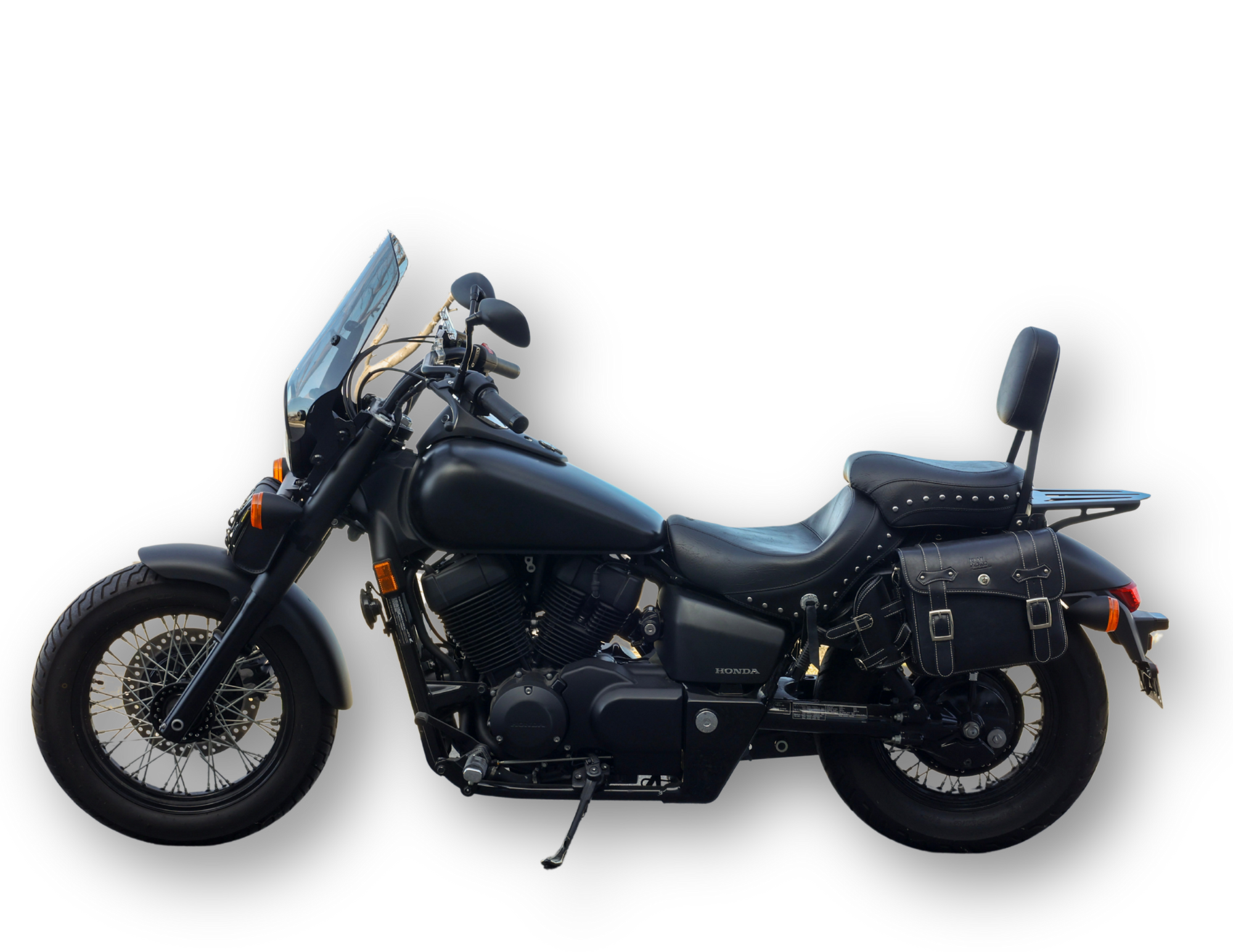
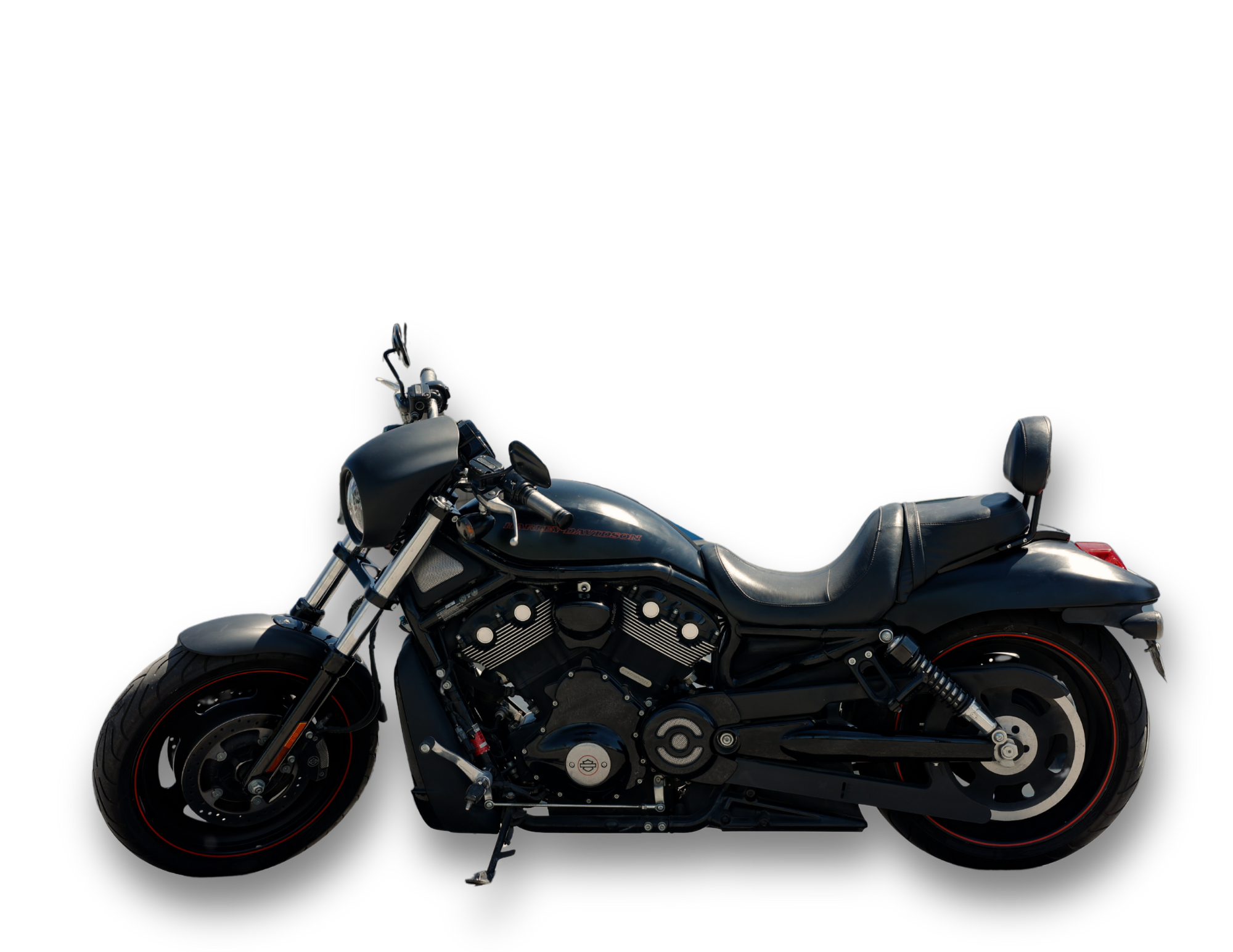
Cruisers are known for their laid-back, comfortable riding position and classic styling. They are built for comfort rather than speed and are therefore ideal for relaxed, long-distance journeys. Cruisers come in various sub-categories such as bobbers or choppers. 

Bobbers:

Bobbers are customized cruisers with a stripped-down appearance, often featuring shortened fenders and solo seats for a minimalist, vintage look.

Choppers:

Choppers are highly customized cruisers known for their distinctive, elongated front forks and unique designs.

Cafe Racers:

Cafe racers are characterized by their retro, minimalist style inspired by the custom bikes of the 1960s. They are built for a unique, vintage look and spirited urban riding.

Sportbikes:

Sport bikes are designed for high-speed performance, agility, and sharp handling. They’re perfect for spirited rides and track days.  Also referred to as crotch rockets or bullet bikes.

SuperSport:

These are lightweight, highly maneuverable sport bikes optimized for track racing and high-speed performance.

Streetfighters:

Streetfighters are sportbikes stripped of their fairings, resulting in a more aggressive, minimalist appearance while maintaining high-performance capabilities.

Naked Bikes:

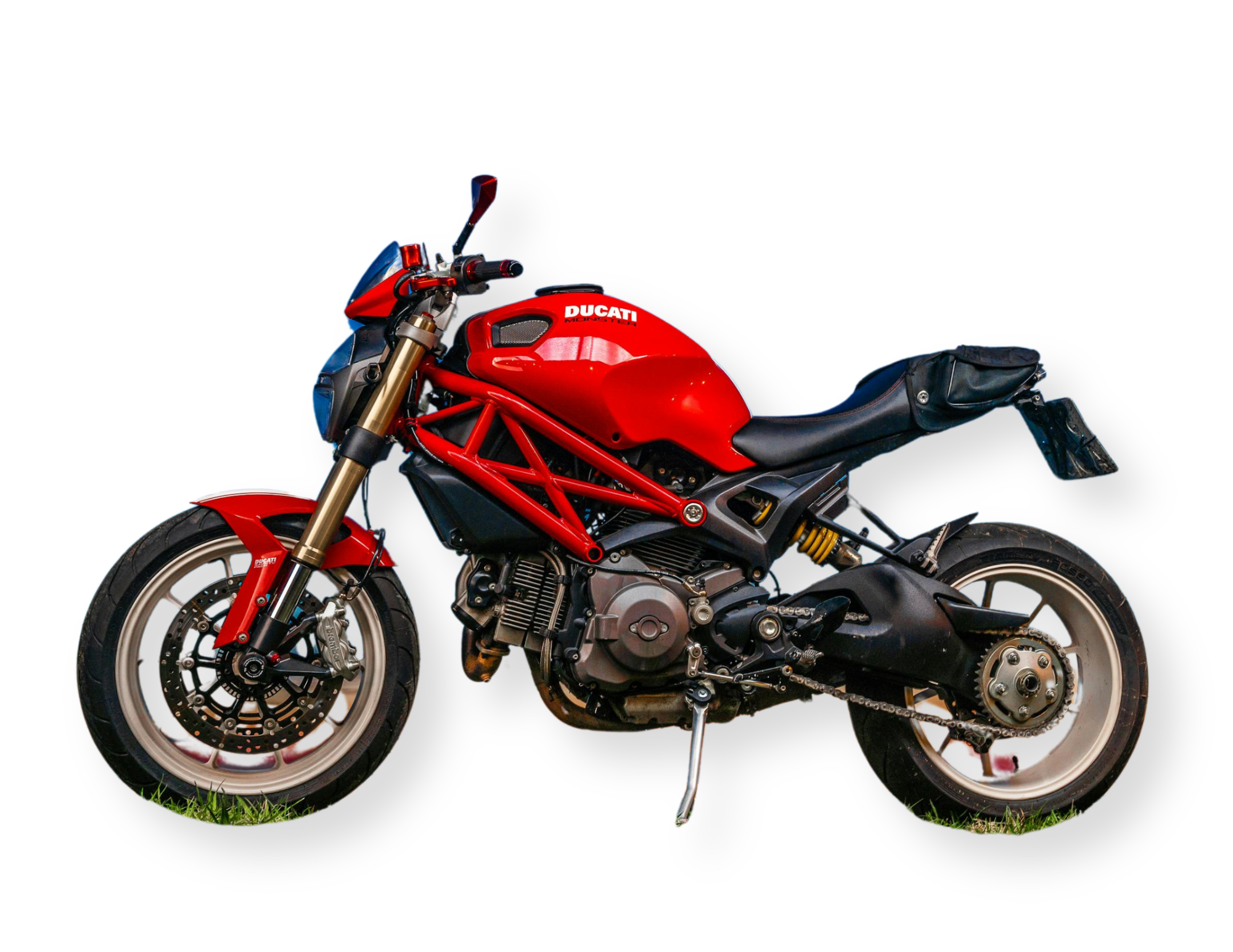
 Naked bikes are purpose-built motorcycles designed from the ground up to be without fairings.  They are sporty but lack the full fairings, offering a more upright and comfortable riding position.

Touring Bikes:

Touring motorcycles are built for long-distance travel and comfort, equipped with features to make extended rides enjoyable.

Sport Touring:

Combining sporty handling with touring comfort, these bikes are versatile for various riding styles.

Cruiser Touring:

Cruiser-style touring bikes provide a relaxed riding position and are perfect for laid-back touring.

Dual Sport

Off-road bikes can be an excellent choice for beginners as you can avoid the traffic congestion and constraints which can sometimes be overwhelming for new riders.

Super Moto Bikes:

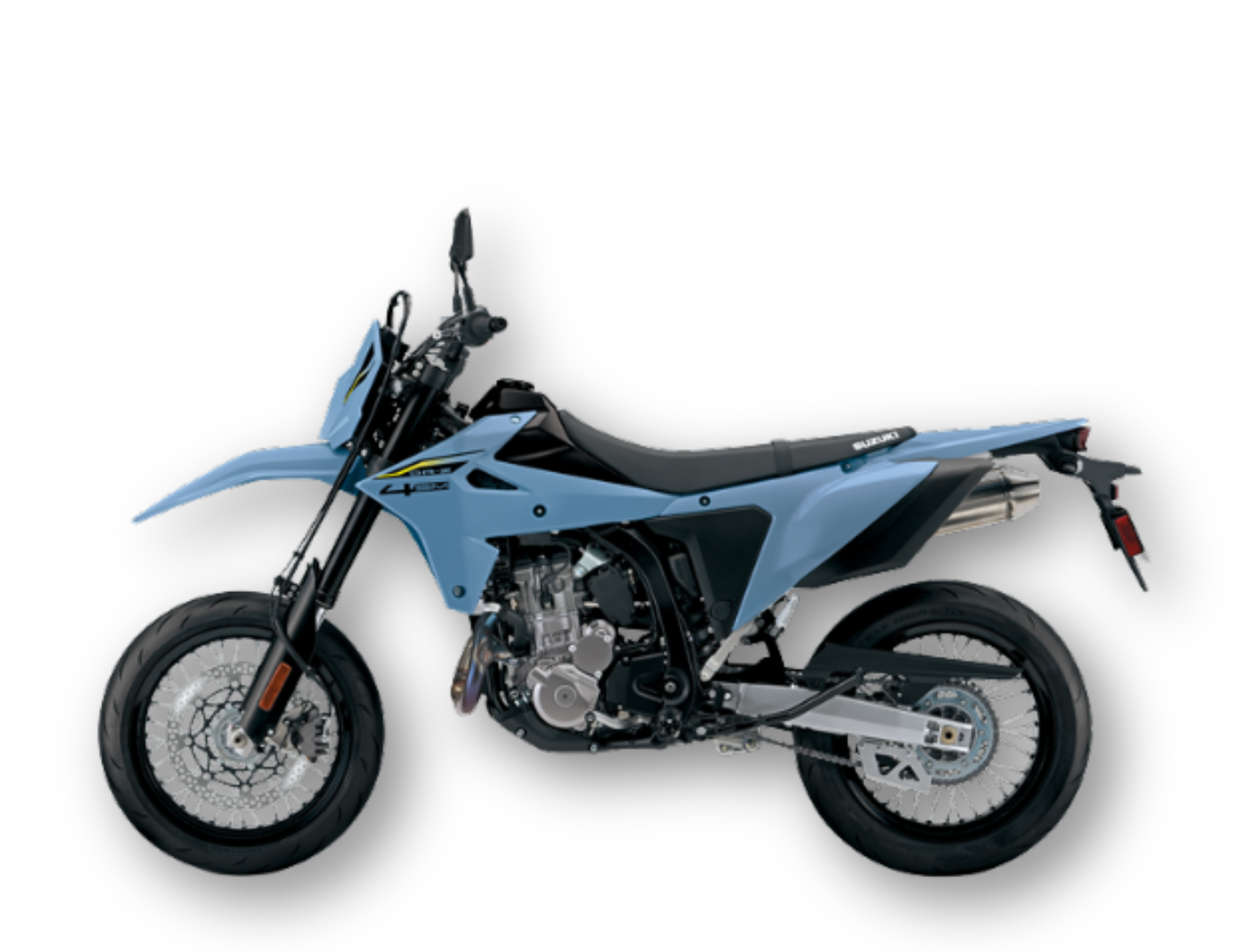
Supermoto, or supermotard, motorcycles are versatile bikes that combine elements of motocross and road racing. They feature supermoto wheels (17-inch front and rear) and can handle a variety of riding surfaces, from pavement to dirt.

Adventure Tourers:

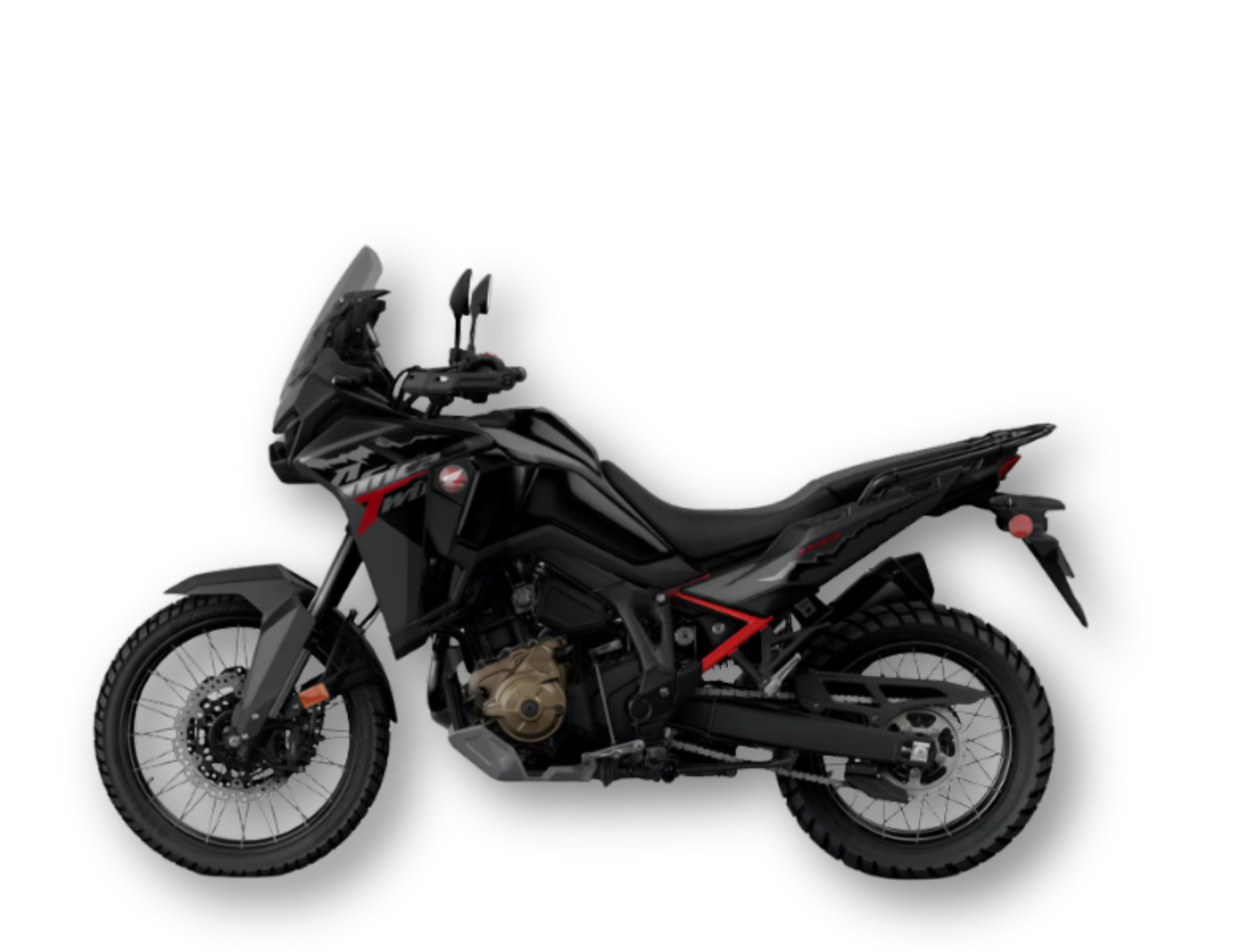
Adventure touring bikes are designed for both on-road and off-road adventures, featuring robust suspension and luggage options.  (More street)

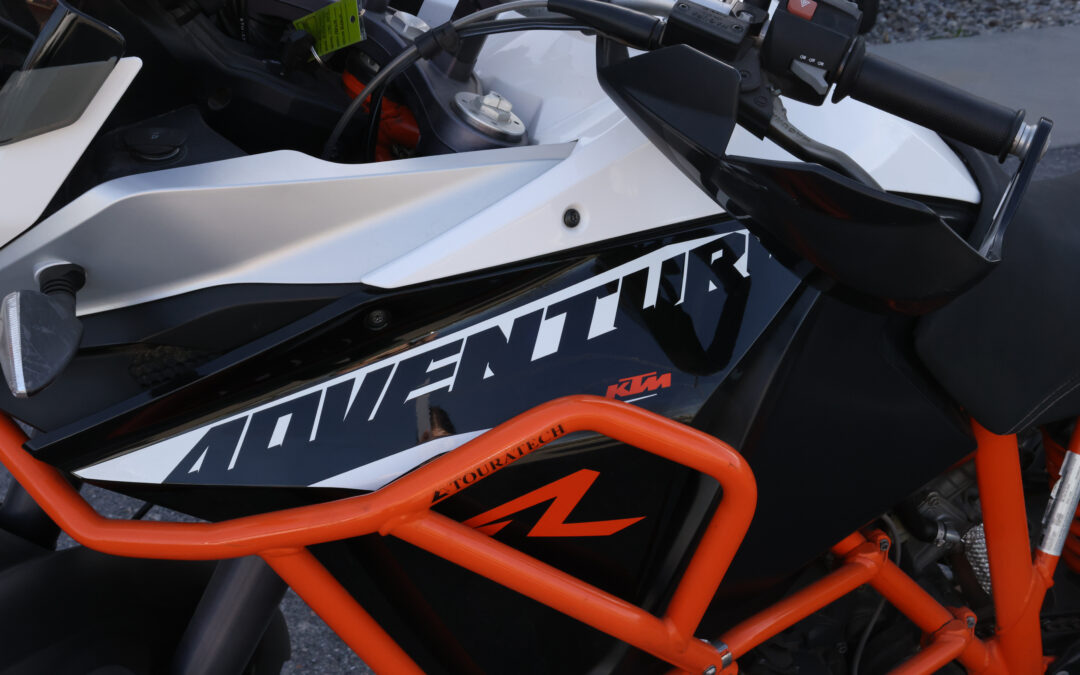
Adventure Bikes (ADV):

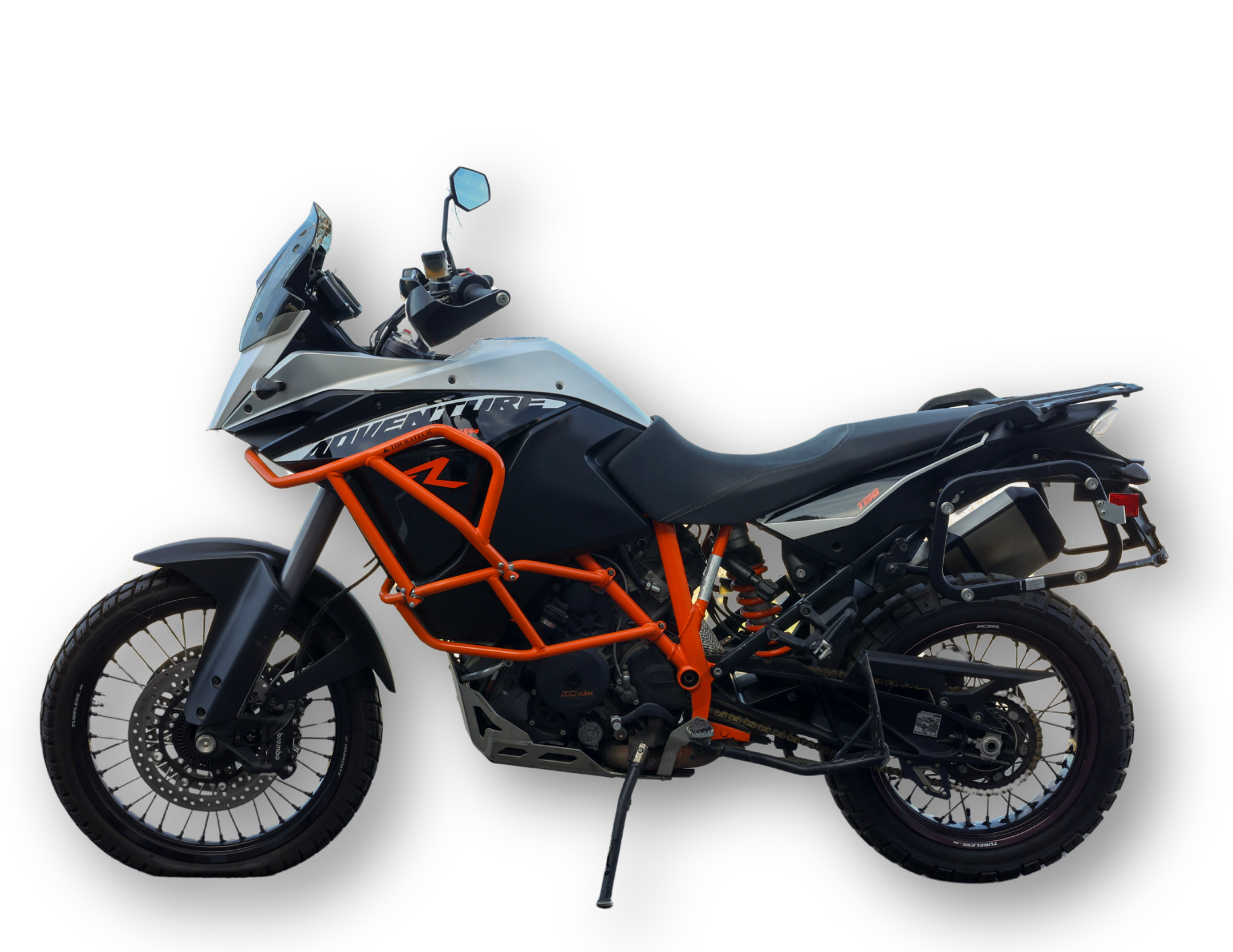
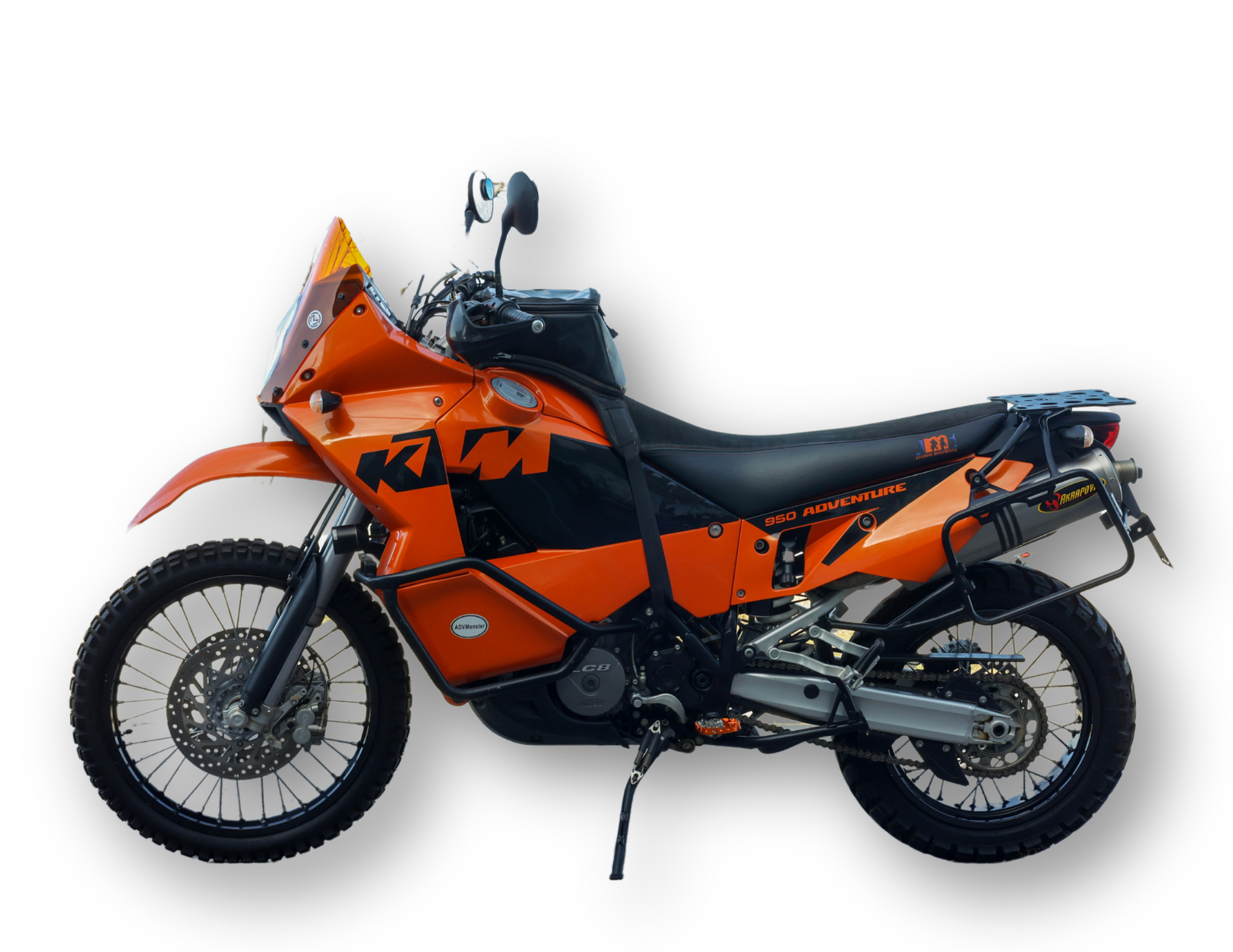
Adventure motorcycles are designed for long-distance touring and exploration, often crossing various terrains, from highways to rugged off-road trails. They typically have larger engines, advanced suspension, and extensive luggage options. Adventure motorcycles are versatile and can handle a wide range of terrain, making them suitable for off-road and on-road adventures.  They typically include 650 cc or larger engine displacement, larger, padded seats, luggage system, windscreen, high ground clearance, but lower than a dual sport bike, long suspension travel, 80% street /20%dirt tires, higher gear ratio for highway speeds, heavy-duty brakes for high speed stops, larger gas tank (200+ mile capacity) (more off road style). 

Dual-Sport Bikes:

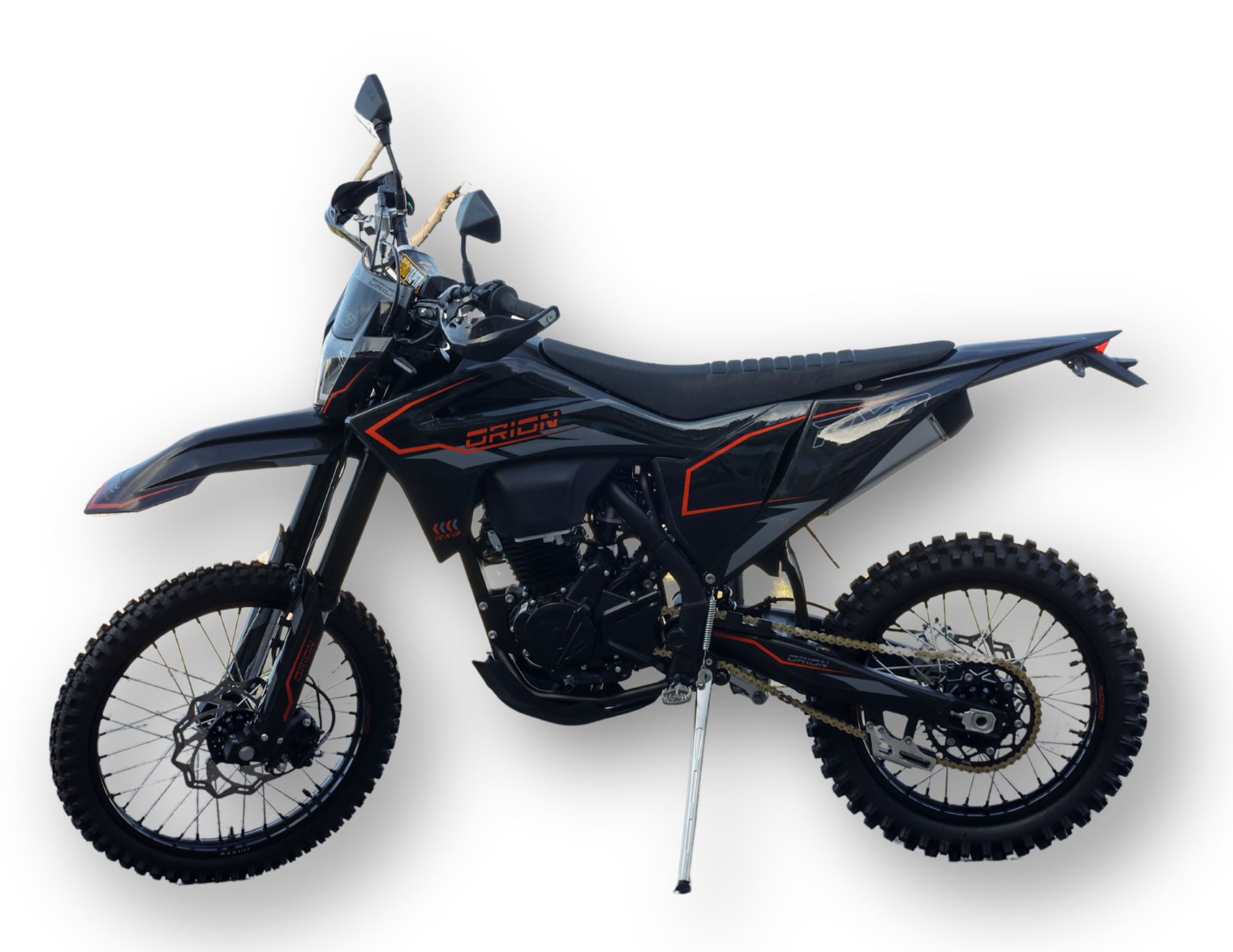
Dual-sport motorcycles are street-legal bikes that can handle off-road adventures. They are equipped with features like turn signals, mirrors, and a more robust suspension to tackle both pavement and dirt trails. They typically include single cylinder engine, 250cc-650cc displacement; smaller gas tank (less than 100 miles); 21” front wheel, high handlebars for stand up riding, spoked wheels, 40% street /60% dirt tires, high ground clearance, geared for low speed on trails, motocross style seat, crash protectors.

Enduro Bikes:

Enduro motorcycles are versatile off-road bikes designed for long-distance trail riding and competition. They are motocross and/or dirt bike equipped with features such as headlights, taillights, and a quieter exhaust system, making them suitable for both on- and off-road use.

Off Road

Dirt Bikes:

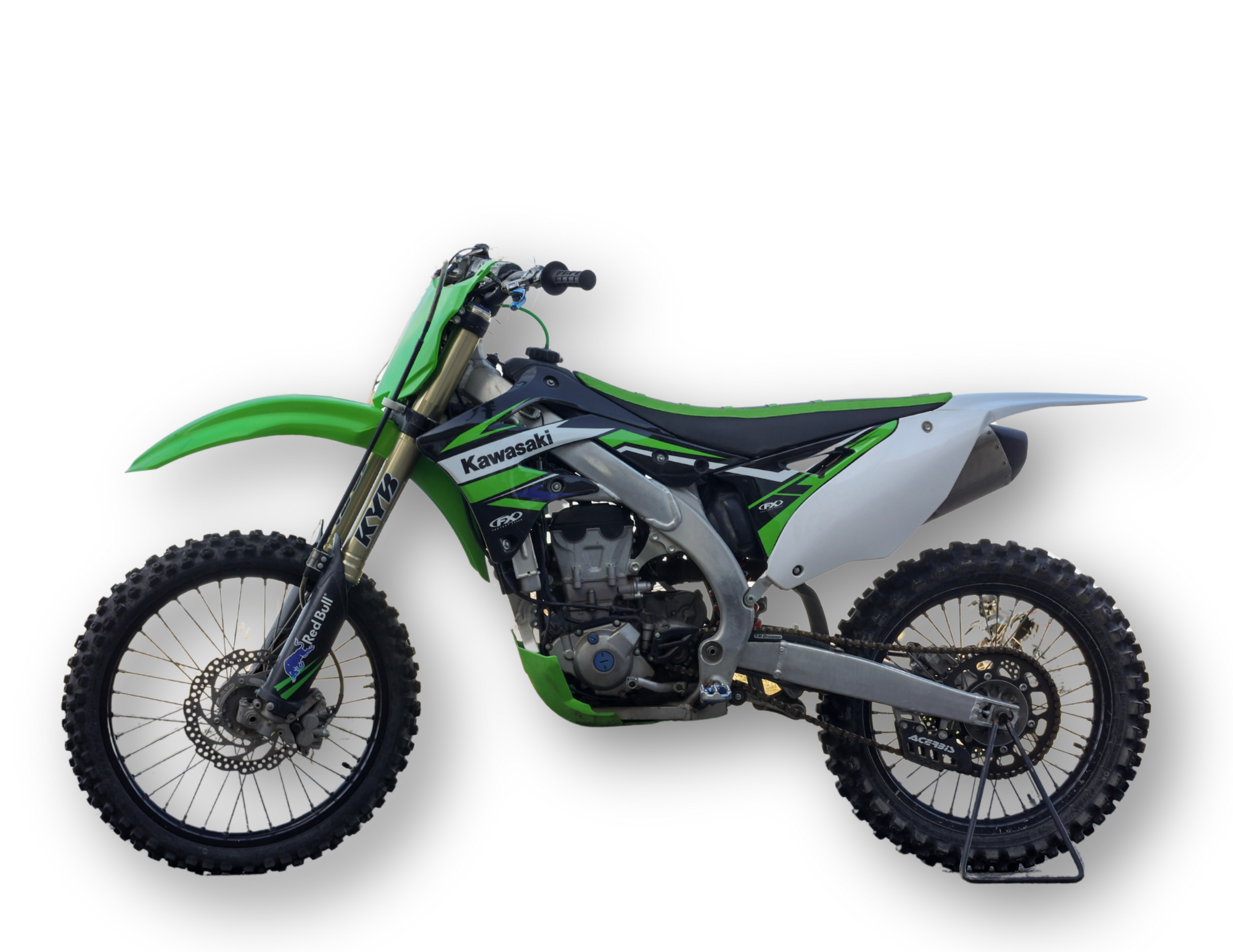
Dirt bikes is a broad category of lightweight, off-road motorcycles designed for motocross, trail riding, and rugged terrain. Sub-categories include motocross, enduro, and trail bikes. Dirt biking can be a family-friendly activity as riders are not limited to the necessary motorcycle license endorsement to ride on the road. Riding a dirt bike improves your riding skills, including balance, control, and maneuvering techniques. It offers an excellent platform to enhance your overall riding capabilities. It can also be an excellent way to improve your fitness as the various terrain engages multiple muscle groups and enhances endurance.

Motocross/Track Bikes:

Motocross motorcycles are purpose-built for competitive motocross racing on closed, dirt track circuits. They are known for their lightweight frame, powerful engines, short gear ratio and long-travel suspension systems to handle jumps, whoops, and tight corners. (i.e. 450cc 2 stroke)

Trail Bikes:

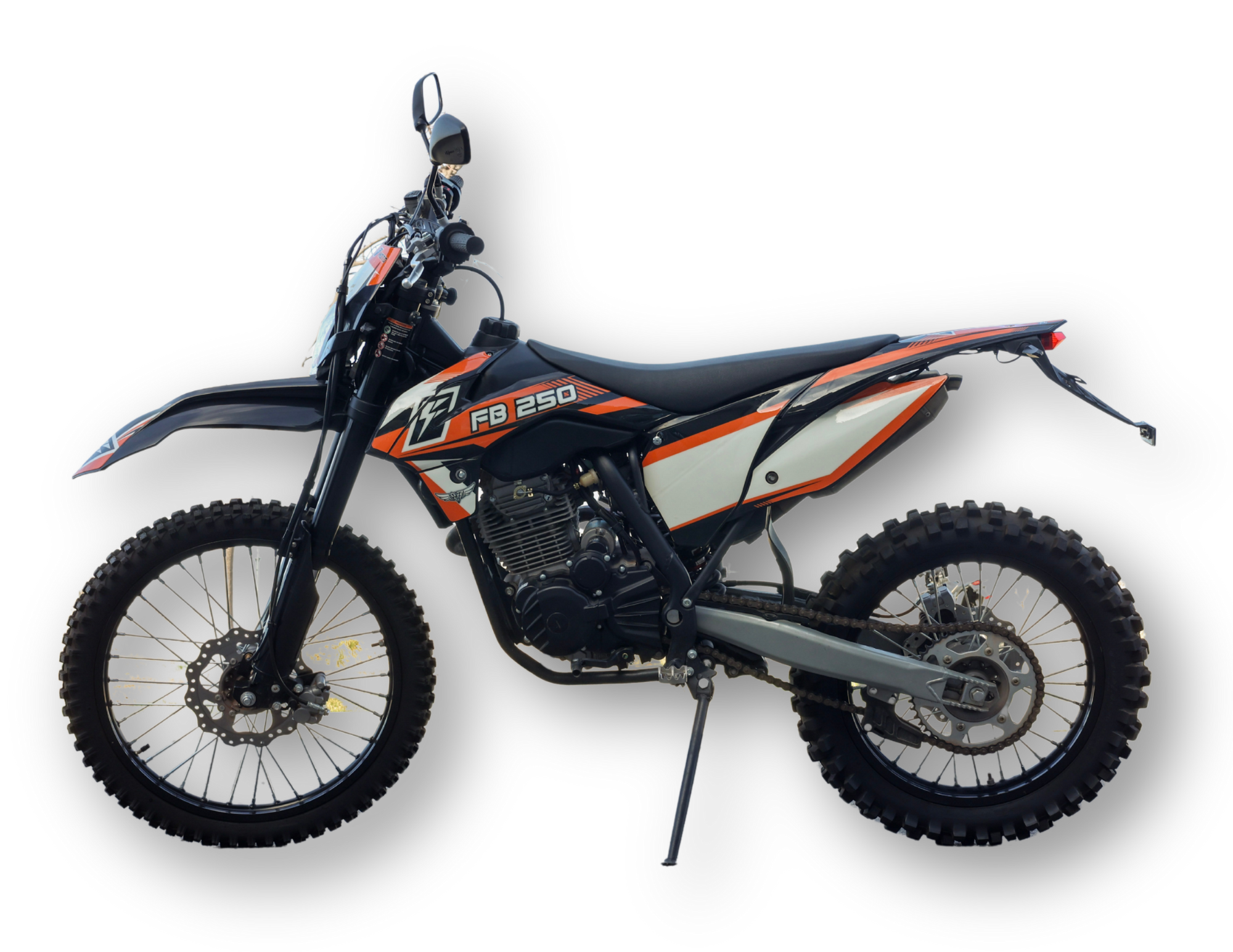
Trail bikes give a much smoother ride and added upgrades help you navigate the more technical difficulty of trails. They are usually more beginner-friendly off-road motorcycles designed for recreational riding on various types of terrain. They are known for their ease of use, comfortable ergonomics, wide gear ratio, and moderate power output.  Trail bikes usually comes with a wide-ratio gearing transmission, an electric starter and different sized tires among other subtleties. (i.e. 250cc 4 stroke)

Trials Bicycles:

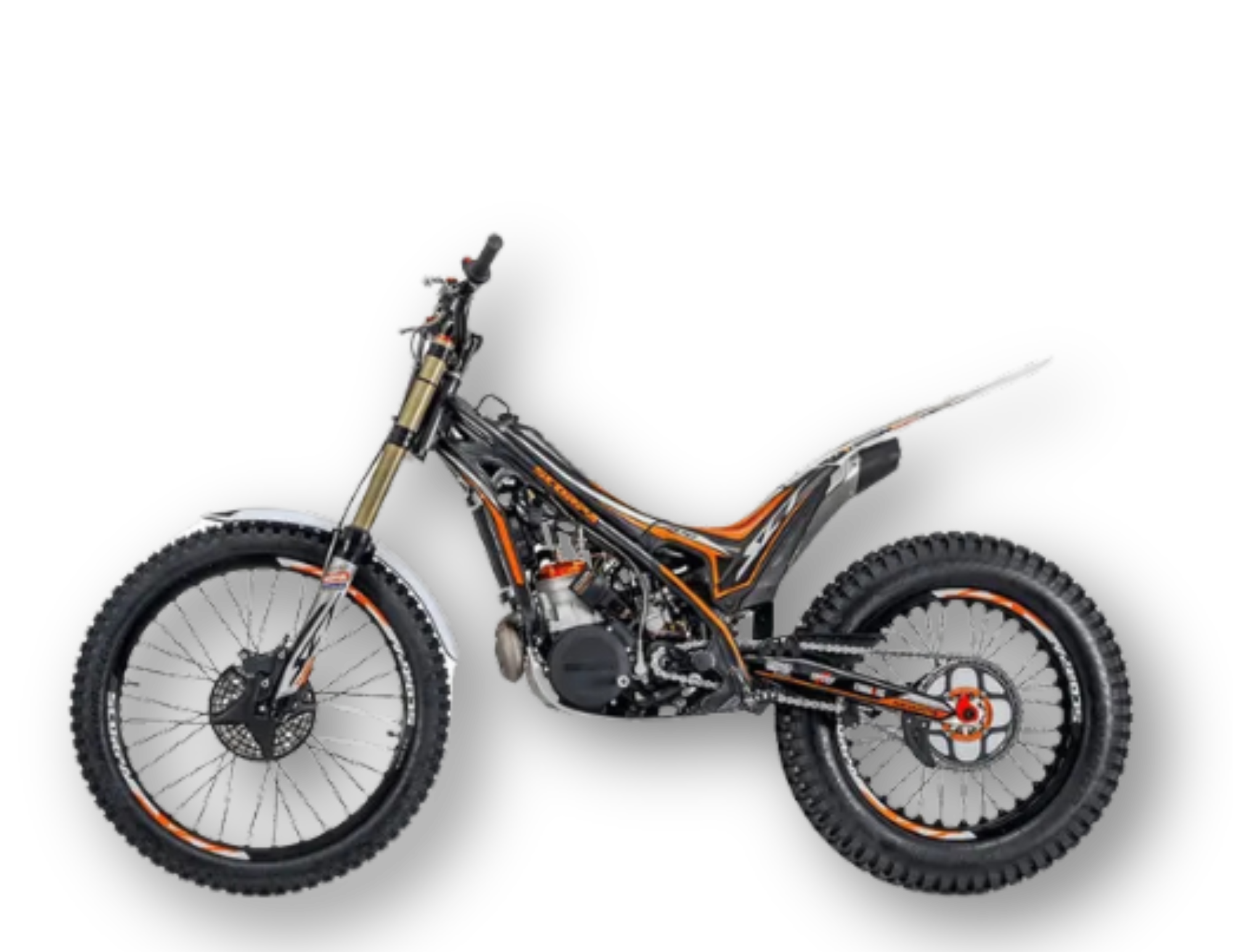
Trials bicycles are specialty motorcycles designed for agility and control rather than speed for trials riding, which involves balancing and maneuvering through more complex obstacles. Trials riding emphasizes precision and control. Riders use a combination of balance, throttle control, clutch, and body positioning to overcome obstacles.

Flat Track Bikes:

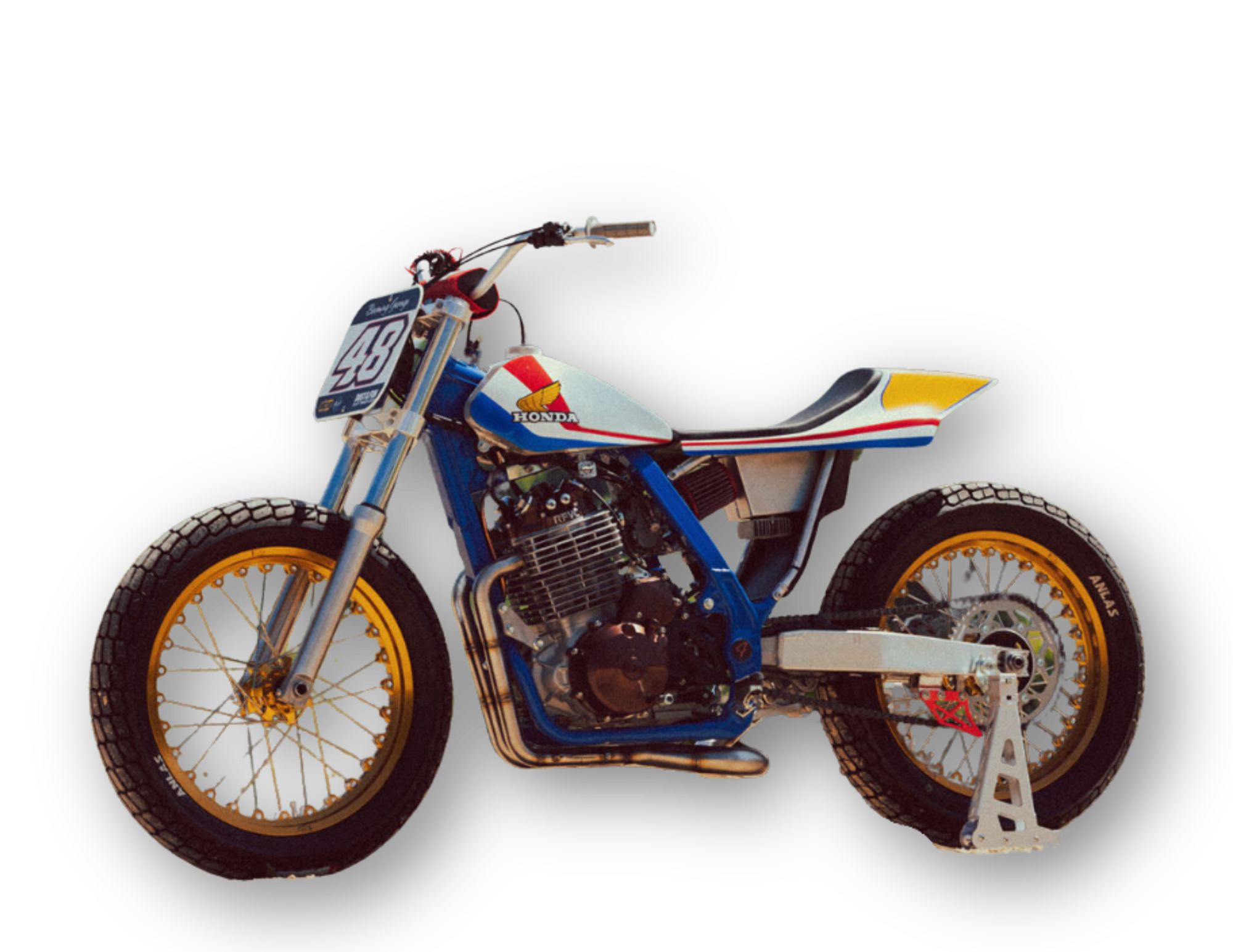
Similar to scramblers, flat track motorcycles are designed for flat track racing on oval dirt tracks. They have a distinctive, minimalist appearance, with no front brake and a rearward footrest position for sliding through corners.

Pit Bikes:

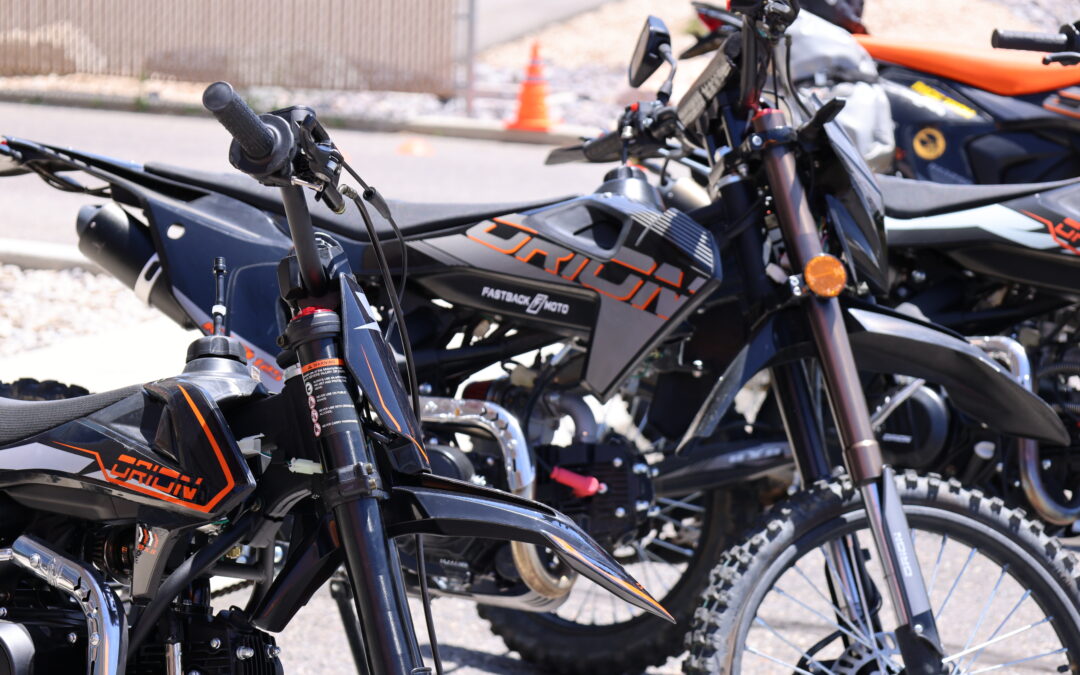
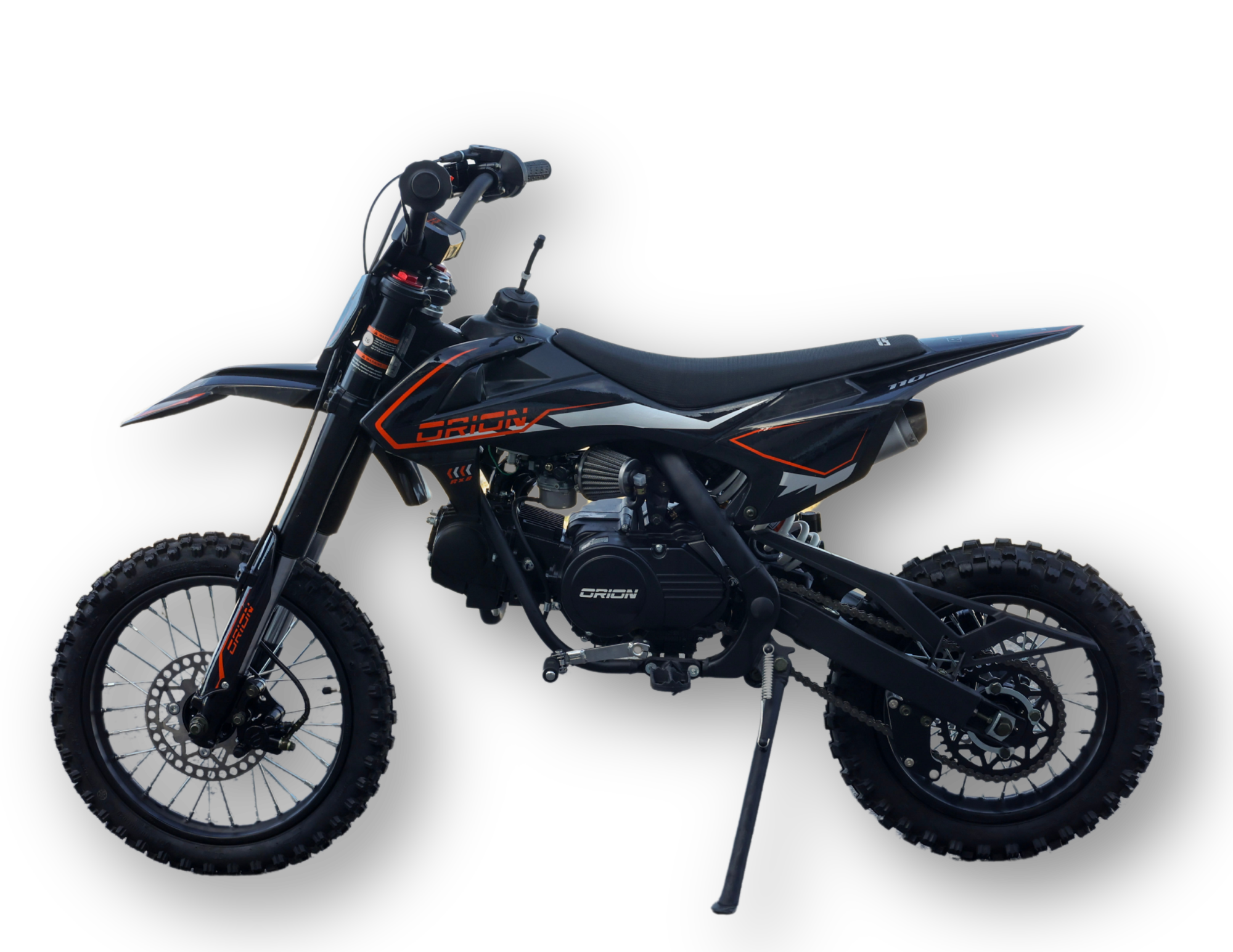
Pit bikes are usually small, compact off-road or street motorcycles designed for beginners, kids, or recreational riders. They come in various engine sizes with a wheelbase ranging from 40 to 48 inches or 50cc to 150cc and are often used for backyard riding and learning the basics of off-road riding.

Other Styles

Electric Motorcycles:

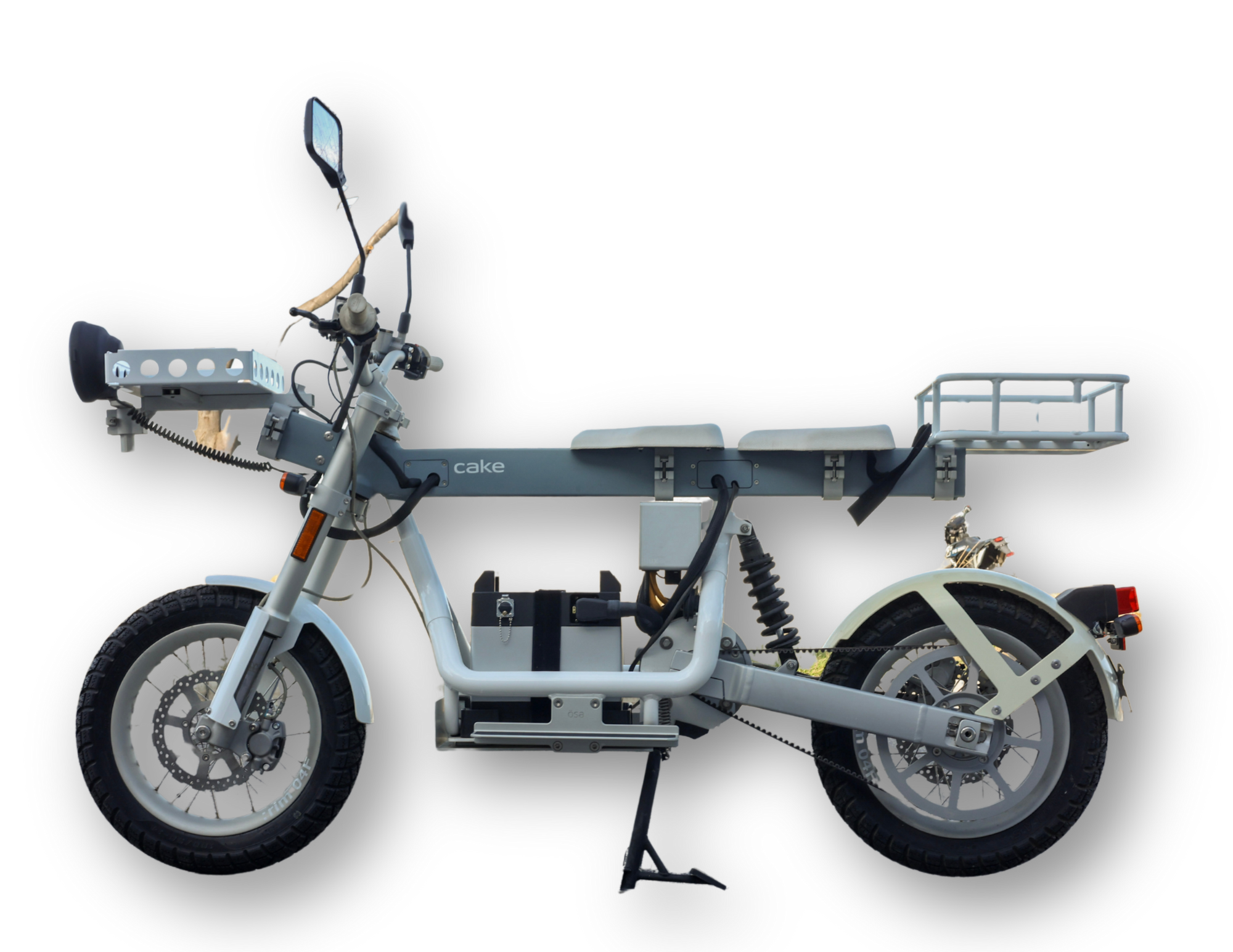
Electric motorcycles come in various styles, from Dirt, sporty, to cruiser-like designs.   Electric motorcycles operate silently, providing a quieter and more peaceful riding experience compared to traditional motorcycles. They require less maintenance since they have fewer moving parts, no need for oil changes, and generally have lower maintenance costs over the vehicle’s lifespan. Electric motors provide instant torque. The electric motorcycle industry is evolving rapidly, with advancements in battery technology, range improvements, and increased power outputs.

Mini Bikes:

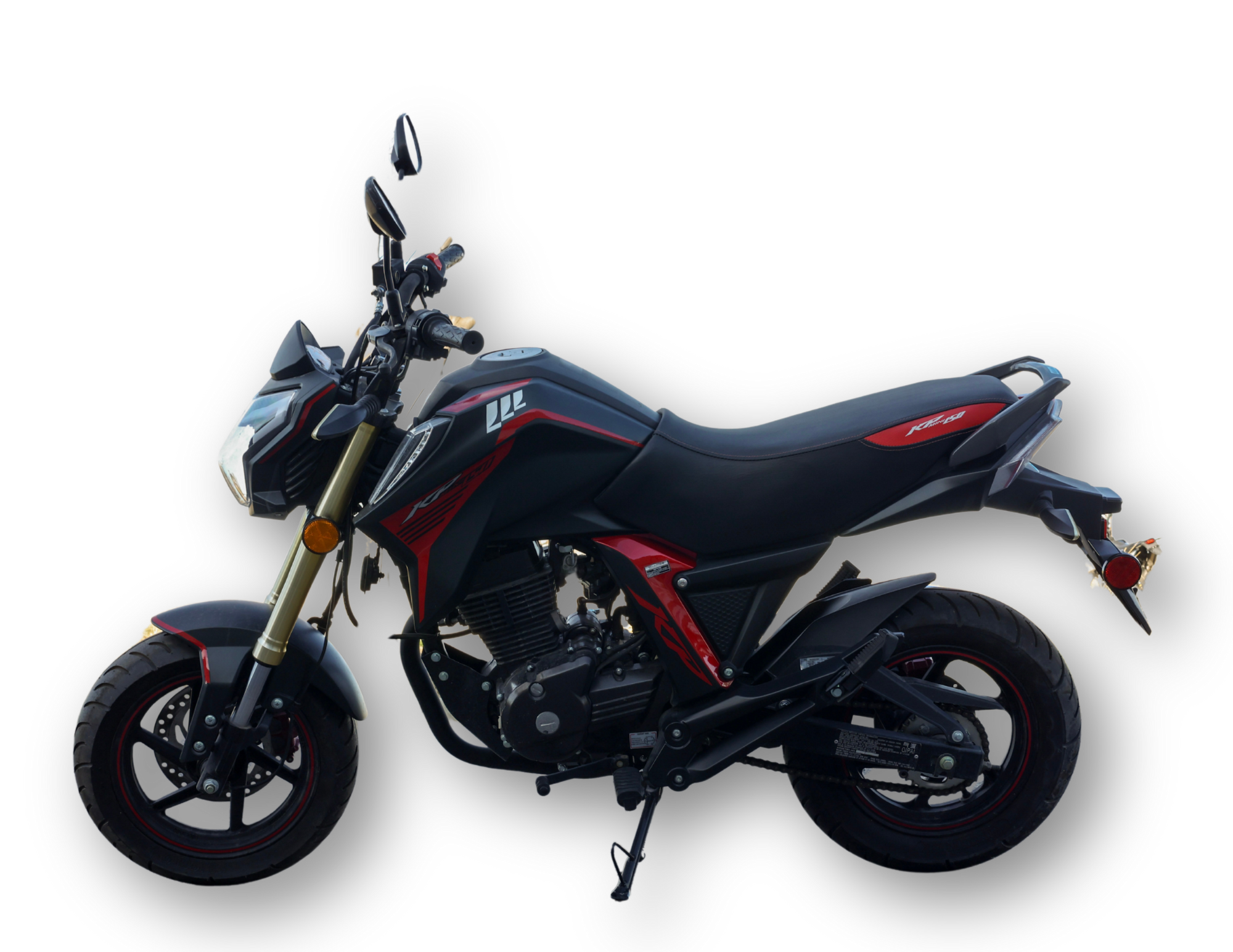
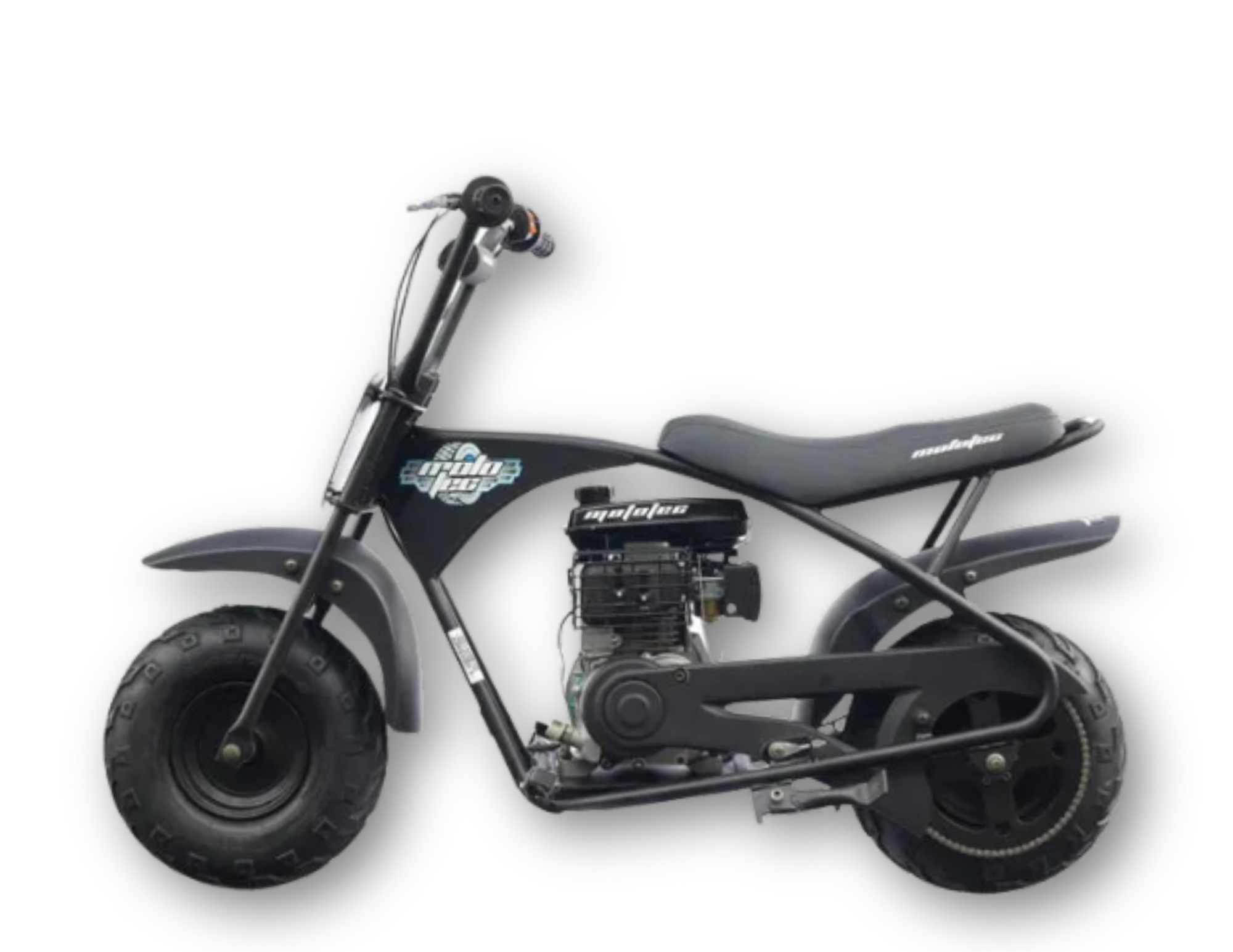
Mini bikes are small, compact low speed road or off-road motorcycles designed for beginners, kids, or recreational riders. They come in various engine sizes and are often used for urban riding and learning the basics.

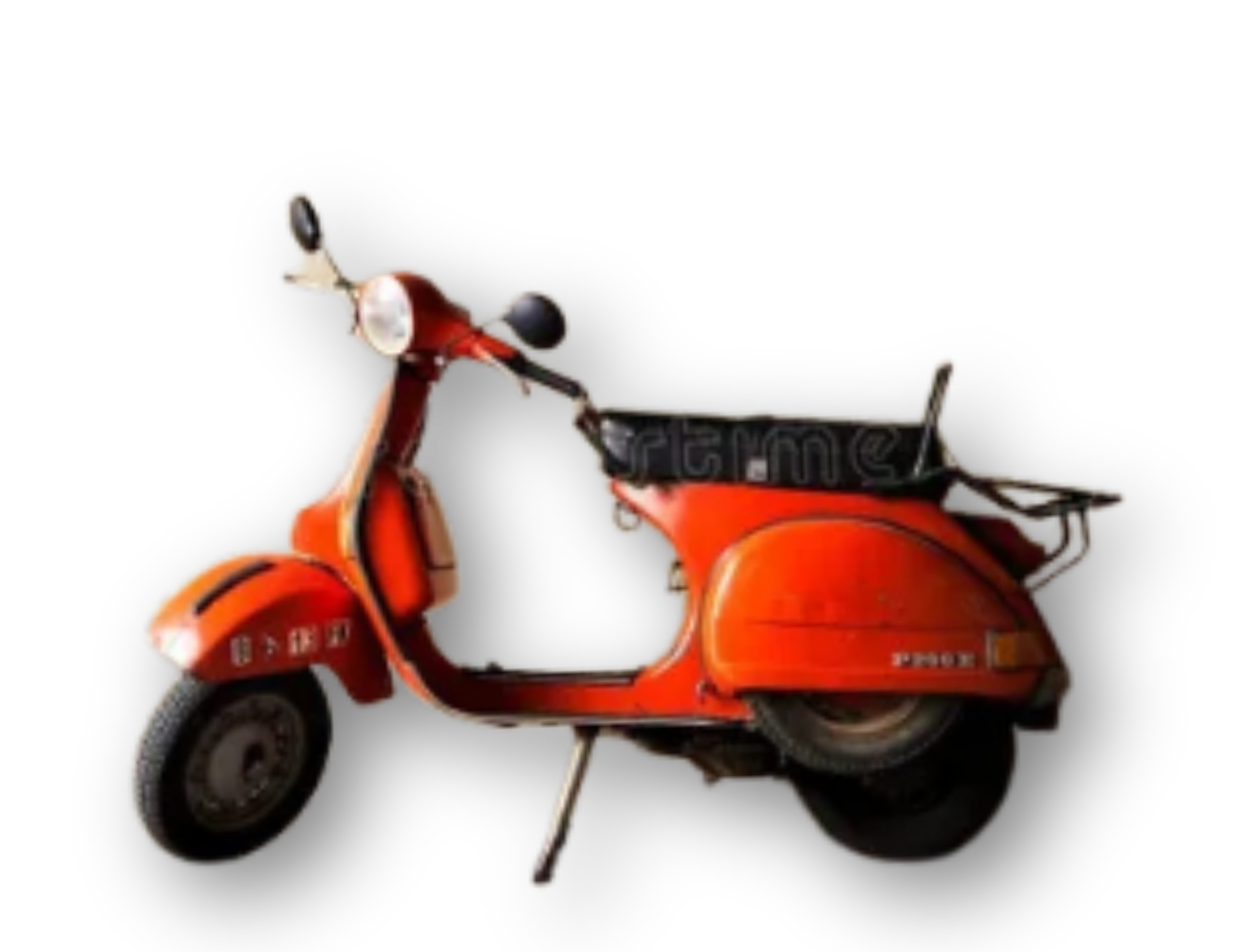
Scooters:

Scooters prioritize simplicity in riding—no need to learn a clutch or shift gears. They boast low maintenance and operating costs. Many scooters also include practical features like storage compartments, enhancing their usefulness for daily commutes and errands. Scooters typically have a step-through frame, making them easy to mount and dismount while also offering a more relaxed and upright riding position.  Most scooters are lightweight, automatic transmission motorcycles ideal for urban commuting. Although scooters are useful for urban commuting, they have trouble keeping-up with highway traffic. Even “maxi-scooters” that are capable of long-distance highway travel are limited due to their smaller wheels.  Scooters typically lack the protective features of motorcycles, such as fairings, which can leave riders more exposed in case of an accident. It is therefore a common misconception that scooters are safer to ride than motorcycles as they generally offer less protection and stability.

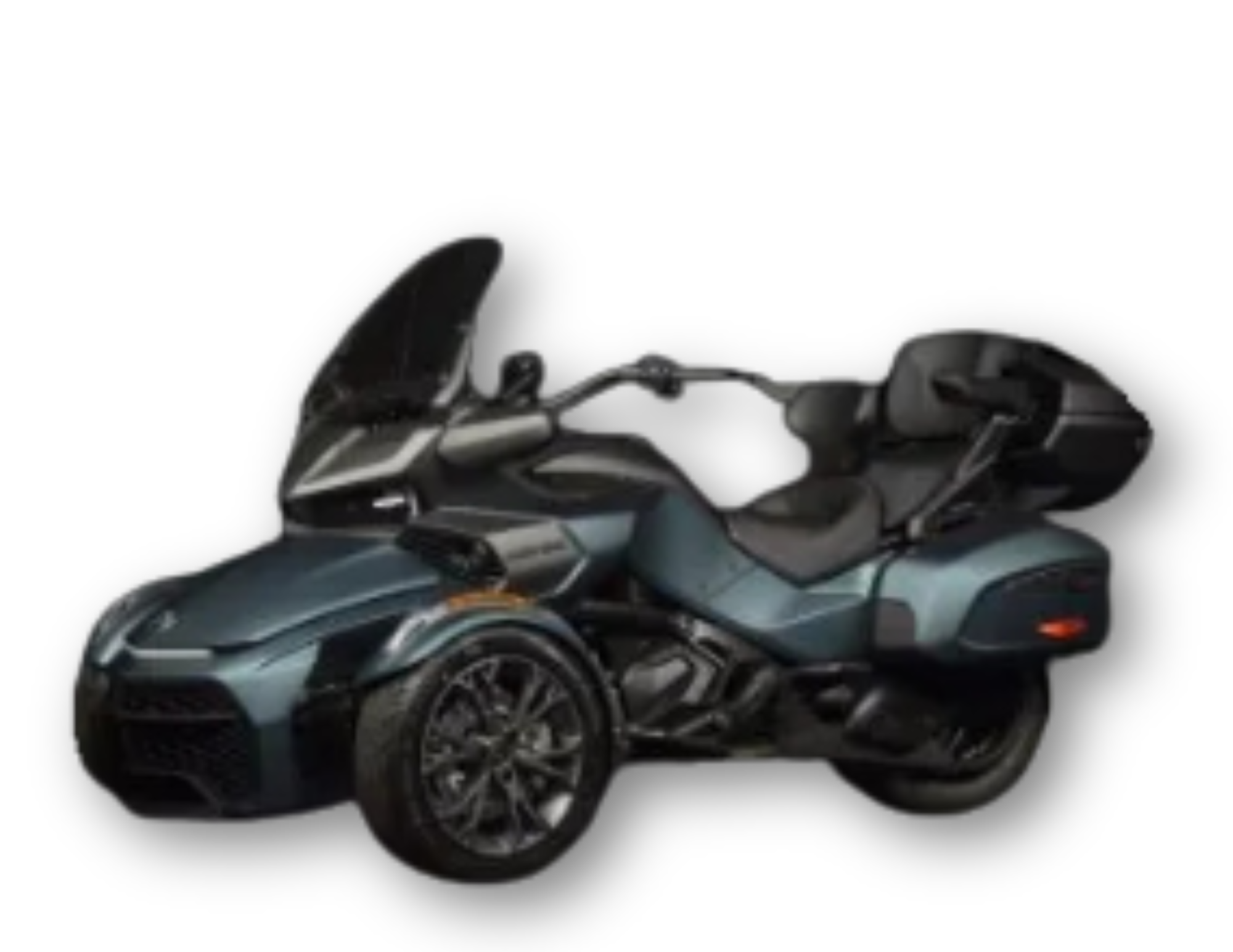
Trikes:

Trikes are three-wheeled motorcycles, offering stability and comfort, making them an option for riders who may have difficulty with traditional two-wheelers.  Trikes can have manual or automatic transmissions, providing options for different rider preferences. Controls are similar to those of a motorcycle, including throttle, brakes, and handlebar-based steering.

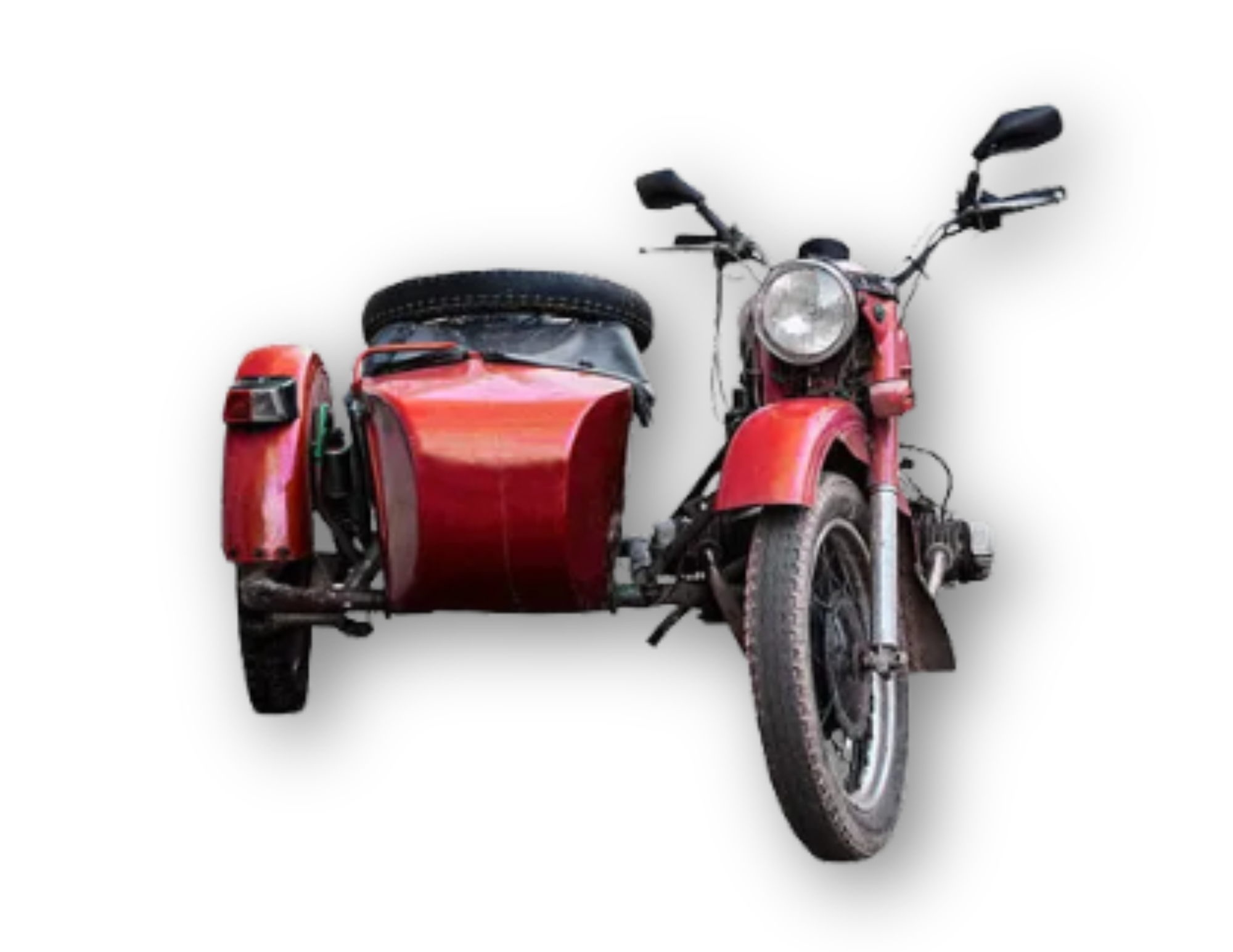
Sidecars:

Last but not least, sidecars have a unique configuration of a motorcycle with an attached sidecar. The sidecar is a one- or two-wheeled compartment attached to the motorcycle’s side, providing additional seating, cargo space, or both.  Riding a motorcycle with a sidecar requires a slightly different skill set compared to riding a solo motorcycle.  The added weight and asymmetrical design affect the motorcycle’s handling, requiring adjustments in turning, balancing, and braking. Sidecar motorcycles have a distinct appeal in classic and vintage motorcycle communities due to their historical significance and unique design. They evoke a sense of nostalgia and are often showcased in classic motorcycle events and exhibitions.

Each type of motorcycle is tailored to specific riding preferences and terrain, so choosing the right one depends on your experience level, the type of riding you intend to do, and your personal preferences.

What to Know When Buying Used

What to Know When Buying Used

What to Know When Buying a Used Motorcycle

Buying used can be one of the best ways to get a killer deal on your first or next bike – or it can turn into a money pit if you don’t know what to look for. Whether you’re shopping online, trading with a friend, or eyeing something that’s been sitting in a garage for years, here’s what you should know before you hand over the cash (and what Fastback Moto can do to help). 

When is the Best Time to Buy a Used Bike?

  • Late fall through winter is prime time. Sellers don’t want to store their bikes over winter, so prices drop.
  • Spring brings the highest demand which usually leads to higher prices.
  • If you’re after a rare model or specific setup, watch listings year-round, but bring cash when the cold weather hits. That’s when deals show up.

Best Types of Bikes to Buy Used

Some bikes handle aging better than others: 

Japanese standards and cruisers (Honda, Yamaha, Suzuki).

  • Reliable, easy to find parts for, and often well-maintained. 

Dual sports and ADV bikes.

  • Built tough; even high-mileage examples can have life left if they were properly serviced.

Vintage Bikes:

  • These bikes are a lucky find as long as you understand you are buying a project, not just a basic transportation. 

Common Red Flags

No title or “lost title” excuses

  • This will only add more time to getting your bike registered.

Fresh paint or “cleaned” frame numbers

  • This could mean the seller is hidding damage or something worse.

Engine “just rebuilt” with no proof

  • If the seller can’t show receipts, it is safe to assume it wasn’t rebuilt.

Uneven tire wear, chain rust, oil leaks or dry fluids 

  • These are all signs of neglect and there could be more underlying issues as a result.

Over eager sellers

  • If they won’t let you closely inspect the bike there is a chance there is something wrong that they don’t want you to see.

Bottom Line: 

Take your time and do your own research. Or you can call your local motorcycle shop (Fastback Moto) and they can help you make an informed decision! 

What to Check Before You Buy

Here’s your quick pre-purchase checklist:

Visual Inspection

☐ VIN number matches the title
☐ No frame cracks or welds
☐ Tires in good shape and date codes within 5 years
☐ Chain and sprockets not rusty or hooked
☐ Levers, pegs, and bar ends not freshly replaced (could hide crash damage)
☐ Brake pads and rotors not excessively worn

Mechanical Basics

☐ Oil level and condition
☐ Coolant not milky or low
☐ No smoke from the exhaust (blue = oil, white = coolant, black = fuel)
☐ Starts easily, idles smooth
☐ No knocking or rattling sounds
☐ Clutch engages smoothly

Electrical

☐ All lights, horn, turn signals, and dash indicators work
☐ Battery voltage above 12.5V before starting
☐ Charging system holds around 13.5–14.5V at idle

When to Call a Mechanic

There’s only so much you can check without a lift or experience. Here’s where Fastback Moto steps in:

  • Compression and leak-down tests (engine health check)
  • Charging system diagnostics
  • Valve clearance inspection
  • Frame alignment and steering head bearing inspection
  • Brake fluid, fork seals, and suspension checks

We offer pre-purchase inspections that take the guesswork out of it. Bring the bike to us (or have the seller meet you here), and we’ll tell you exactly what it’s worth, what it needs, and whether it’s worth investing in. Sometimes a bike looks like a deal — until you find out it needs $2,000 -$ $4,000 in maintenance and repairs.

If You Already Bought It

Don’t panic, we’ve all been there. Bring it by for a baseline service and inspection. We’ll go through it front to back, get it safe, and give you a prioritized list of what’s urgent versus what can wait.

Buying used can save you a ton of money, but there’s just as much risk that it could cost you even more if you skip the due diligence. Whether this is your first bike or your tenth, we are here to help make sure you’re getting the real deal, not a money pit.