385-777-2536 info@fastbackmoto.com

Tyler Astrope

Introducing Tyler Wade Astrope, the force behind Fastback Moto. With over 40 years of hands-on motorcycle experience, Tyler’s journey began with a passion for bikes and transformed into profound expertise.

Tyler is your ultimate motorcycle resource. Whether you ride a classic V-twin, a modern electric bike, or a rugged side-by-side, he’s your go-to expert. His expertise goes beyond mechanics; it’s about aligning with your riding goals and style.

We’re proud to boast the best customers in the industry. But, at Fastback Moto, you’re not just a customer; you’re part of our growing riding community. Tyler ensures both you and your bike receive the utmost care and personal attention you deserve.

Fastback Moto isn’t your typical repair shop; it’s a hub of knowledge, experience, and genuine passion. Discover the difference expertise makes at Fastback Moto. Tyler’s dedication to affordability, craftsmanship, and building rider connections is revolutionizing motorcycle service and repair.

Tyler Wade Astrope is leading the way, elevating your local motorcycle shop to new heights. Join us at Fastback Moto and be part of the future of motorcycle service and support today.

Whether you are a beginner or seasoned rider, we go all-out to make sure you are getting the quality service you deserve. 


Tyler has been a riding enthusiast for 40+ years.  He has become one of the most skilled mechanics around, working on everything from 

V-twins to electric bikes to side-by-sides. 
Winter Riding: What to Know, Where to Go

Winter Riding: What to Know, Where to Go

Winter Riding: Your Guide to Keeping the Adventure Alive with Fastback Moto

When the temperatures drop, the itch to ride doesn’t just vanish. For some of you, winter means parking the bike and dreaming of spring. But for the rest of us? It’s a chance to embrace the crisp air, conquer new terrain, and keep the adrenaline pumping. Whether you’re a die-hard road warrior, a snow bike thrill-seeker, or just planning for next season, our full-service motorcycle shop in Utah has you covered.

Here’s our ultimate guide to making winter your favorite riding season, packed with tips, destinations, and ways we can help you keep rolling.

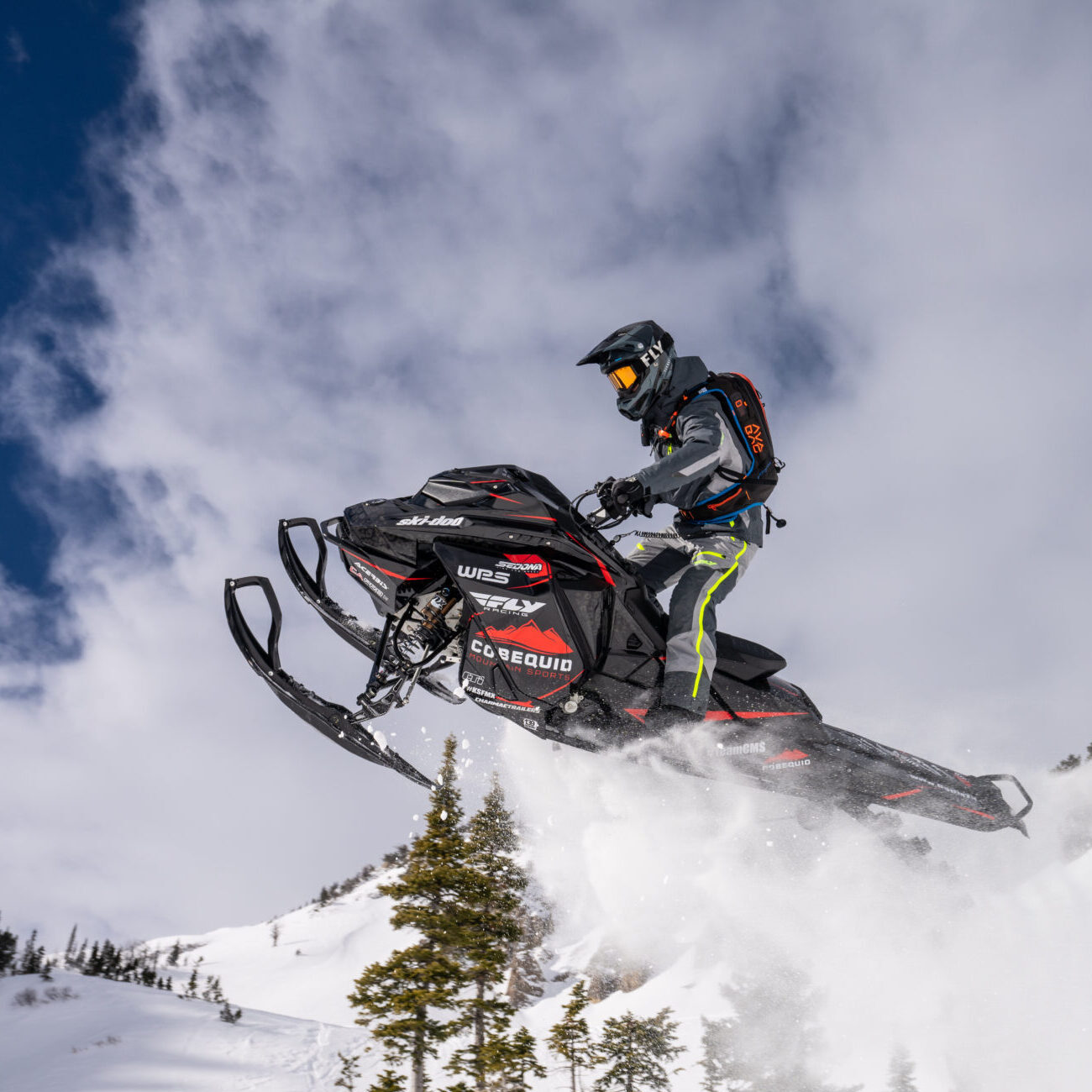
A man on a black snowmobile soars through the air against a cloudy blue sky, captured mid-jump with snow-covered mountains and pine trees in the background. He wears a black helmet and winter gear, leaning forward as the snowmobile tilts slightly upward.

Why Winter Riding Rocks

Winter isn’t just about bundling up—it’s about discovering new adventures and getting ahead on bike prep. At Fastback Moto, we see riders transform the cold months into prime time for epic rides, maintenance, and upgrades.

From the stunning trails of southern Utah to the thrill of snow biking, there’s no reason to let your bike hibernate. Let’s dive into where to ride, how to prep, and why stopping by our shop is the best move you’ll make this season.

Where to Ride: Southern Utah’s Winter Wonderland

When snow and ice blanket northern Utah’s roads, southern Utah becomes a rider’s paradise. With mild temperatures and jaw-dropping scenery, it’s like spring riding all winter long. Whether you’re into street cruises or off-road adventures, here are some must-ride spots:

  • Zion Canyon Loop: This street ride offers cool temps, breathtaking red rock views, and fewer crowds in winter. Perfect for soaking in the scenery without the summer rush.
  • Scenic Byway 12 (Boulder to Escalante): A street rider’s dream with sweeping curves and vibrant landscapes. It’s a ride that feels like a journey through a postcard.
  • Beaver Dam/Mesquite: For off-road enthusiasts, this area delivers endless trails and open desert to explore. It’s a playground for dirt bikes and adventure riders.

Pro Tip: Elevation matters! Above 6,000 feet, temperatures can drop fast, so pack layers and check the forecast. Need help planning your route? Check out Butler Maps for expertly crafted motorcycle maps or create your own custom route to make every ride unforgettable.

Snow Bikes: Turn Your Dirt Bike into a Winter Beast

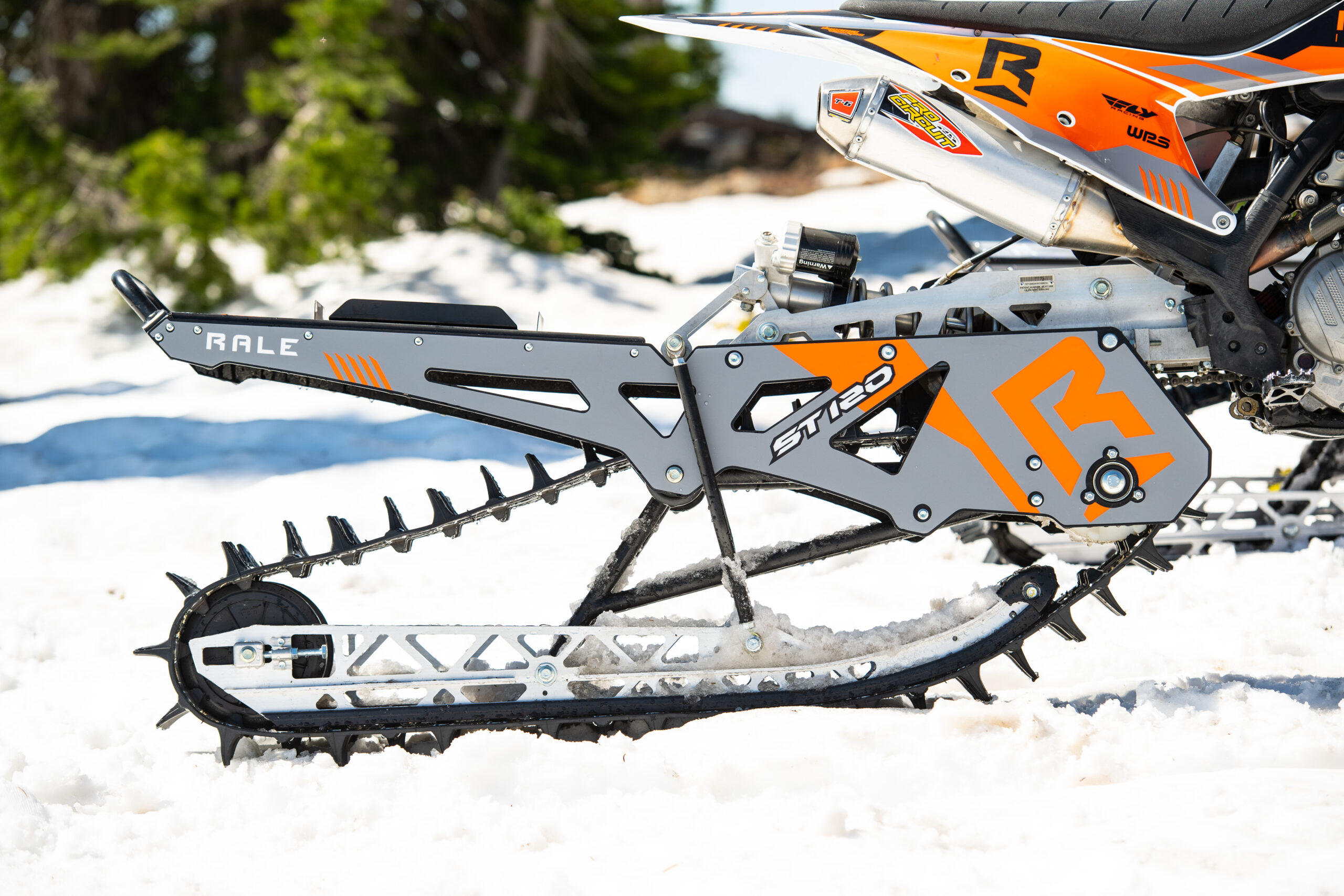
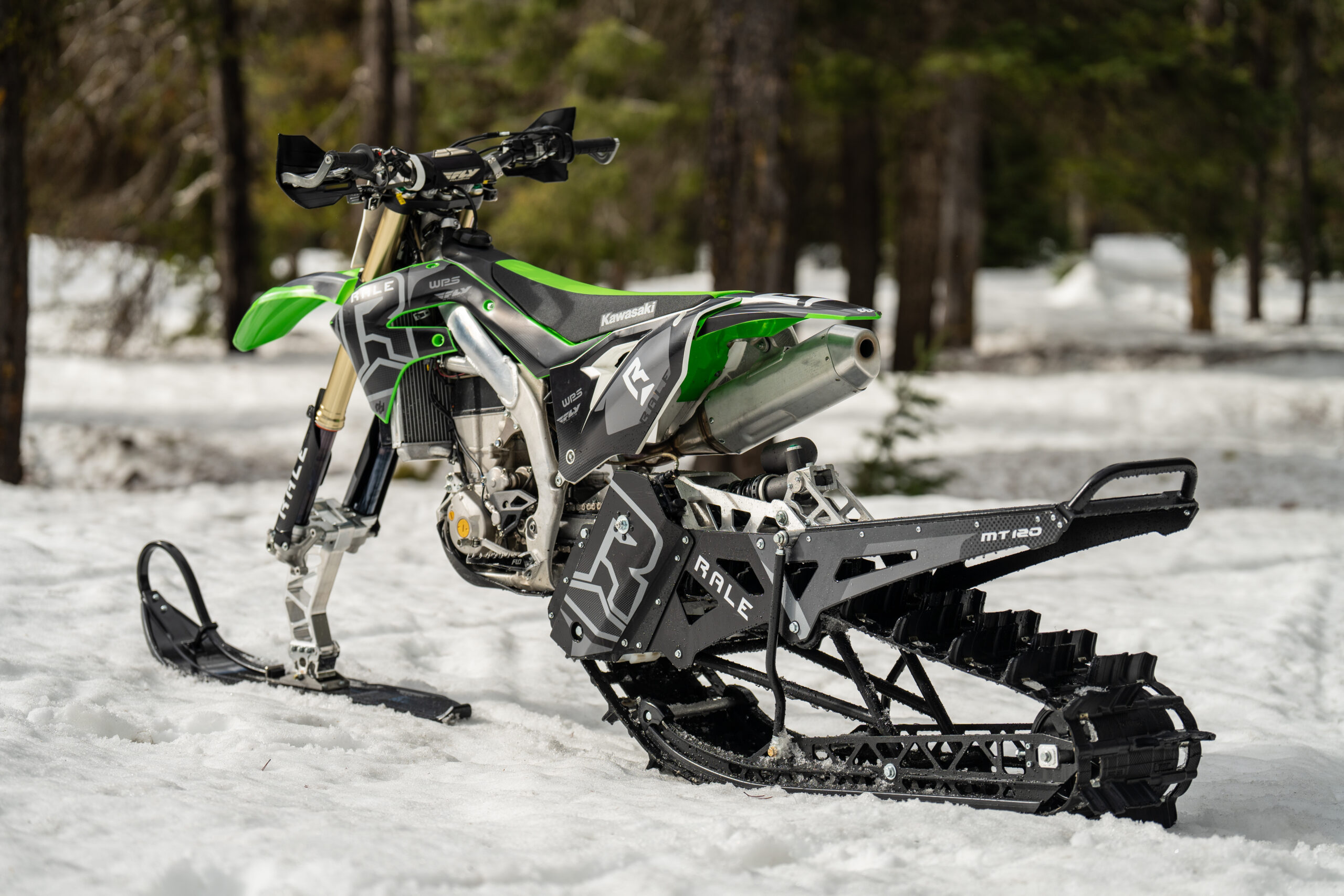
If you haven’t tried a snow bike yet, you’re in for a treat. By swapping your dirt bike’s wheels for a front ski and rear track, Utah’s backcountry becomes your playground, from snowy forests to open slopes. At Fastback Moto, we can help you with:

A man on a black snowmobile soars through the air against a cloudy blue sky, captured mid-jump with snow-covered mountains and pine trees in the background. He wears a black helmet and winter gear, leaning forward as the snowmobile tilts slightly upward.
  • Snow Bike Conversions: We’ll guide you through choosing the right kit and handle the installation for peak performance.
  • Preseason Inspections: Ensure your bike is ready for the snow with a thorough check-up.
  • Storage Prep: We’ll prep your standard dirt bike setup for storage, so it’s ready when the snow melts.

Curious about snow biking? Swing by our shop, and we’ll walk you through the process, from kit options to tuning tips for flawless performance in freezing temps. It’s the ultimate way to keep riding while others are stuck shoveling snow.

Winter Utility: Make Chores Fun with ATV/UTV Plows

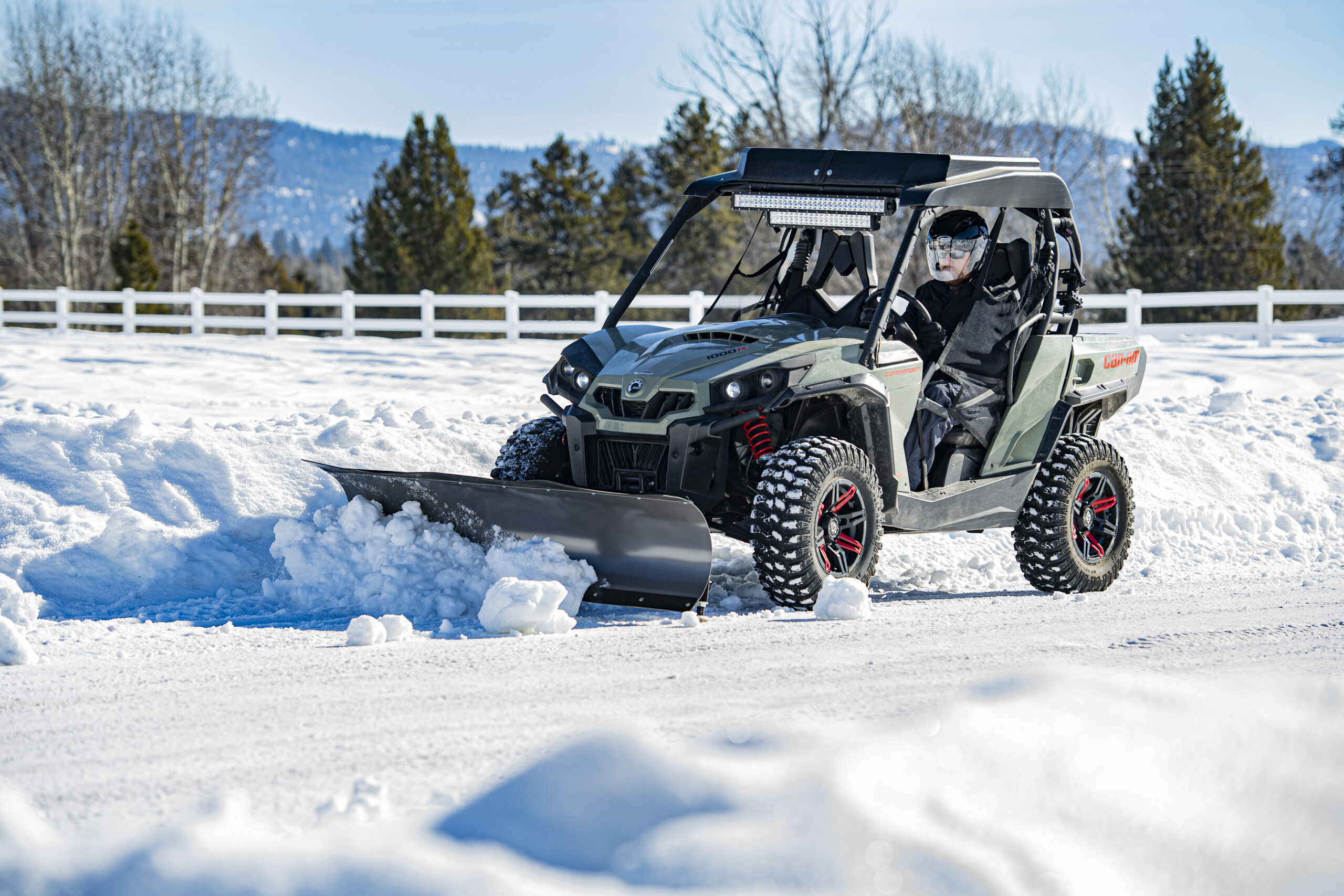
Winter riding isn’t always about adventure—sometimes it’s about getting stuff done. If you own an ATV or UTV, a snow plow attachment can turn clearing driveways or trails into a blast. At Fastback Moto, we’ve got everything you need to make your machine winter-ready:

  • Plow Kit Installation: We’ll mount and adjust your plow for maximum efficiency.
  • Winch & Electrical Checks: Ensure your systems are ready for heavy-duty work.
  • Winterization: We’ll prep your ATV or UTV for reliable cold starts, so you’re never stuck.

Looking to upgrade your setup? Now’s the perfect time to add accessories or fine-tune your machine before the next big storm hits. Stop by, and let’s get your rig ready to tackle winter chores with ease.

For the Die-Hards: Road Riding Through Winter

For those of you who refuse to let snow or cold stop you, we salute your grit! Winter road riding—whether commuting or cruising for fun—takes serious prep. Here are some battle-tested tips from the Fastback Moto crew:

  • Gear Up Smart: Invest in heated gear (trust us, it’s a game-changer). Quality windproof liners and waterproof layers are worth their weight in gold.
  • Tire TLC: Cold temps lower tire pressure, so check it before every ride. Consider winter compound tires for better grip if you’re a regular winter rider.
  • Stay Visible: With low sun angles and early sunsets, visibility is critical. Add reflective gear and LED lighting to stand out.
  • Mind the Road: Salt and sand help cars but can mess with your traction. Take corners slow and wash your bike regularly to prevent corrosion.

Not sure if your bike’s ready for winter’s challenges? Bring it to Fastback Moto for a full winter inspection. We’ll check fluids, battery, tires, and electrical systems to keep you safe and rolling all season long.

A man on a black snowmobile soars through the air against a cloudy blue sky, captured mid-jump with snow-covered mountains and pine trees in the background. He wears a black helmet and winter gear, leaning forward as the snowmobile tilts slightly upward.

Fair-Weather Riders: Winter Storage Done Right

If winter riding isn’t your thing, no worries—Fastback Moto has your back. Our climate-controlled storage keeps your bike safe from snow, rain, and corrosion. We go the extra mile by starting your bike every couple of weeks to keep the battery charged and fluids circulating. Why? Because regular startups are the secret to a healthy motorcycle. With our storage service, your bike will be primed and ready when spring arrives, giving you peace of mind and a head start on the season.

Why Winter Is the Best Time to Visit Fastback Moto

Winter is the off-season for many riders, which makes it the perfect time to tackle those big projects or upgrades. At Fastback Moto, our full-service shop is ready to help you get ahead:

  • Beat the Spring Rush: Schedule major services, rebuilds, or carb work now to avoid the wait.
  • Upgrade Your Ride: From tire swaps to performance tuning or custom installs, we’ll get your bike dialed in.
  • Join the Community: Follow us on social media for updates on winter classes, events, and meetups. Let us know what kind of workshops you’d love to see!

Our shop is more than a service center—it’s a hub for riders who live for the open road (or trail). Stop by, grab a coffee, and let’s chat about your winter plans. We’re as passionate about your bike as you are.

Keep the Adventure Rolling with Fastback Moto

Winter doesn’t have to mean downtime for riders. Whether you’re carving through southern Utah’s deserts, shredding snow-covered trails, or prepping for spring, Fastback Moto is here to keep your bike in top shape. From snow bike conversions to winter storage and everything in between, our team is all about fueling your passion for riding.

Ready to make this winter your best riding season yet? Visit Fastback Moto, drop by the shop, or give us a call. Let’s talk about your winter setup and plan the adventures ahead. Keep the throttle open, and we’ll see you on the road—or in the snow!

Motorcycle Myths That Need To Die (Before You Do)

Motorcycle Myths That Need To Die (Before You Do)

Motorcycle Myths That Need to Die (Before You Do)

Let’s clear the air and bust some long-standing myths throughout the motorcycle community. Whether they’re about safety, gear, performance, or maintenance, buying into a myth can cost your hard earned money and a slightly shameful visit to a local motorcycle shop. At Fastback Moto, we believe in cutting through the BS and helping you stay safe on the road with smart, safe, and fact-based riding practices.

Whether you’re on the road, on the trail, or in the garage, here’s what’s real and what’s BS.

🛡️ SAFETY & GEAR 

❌ MYTH

❌ “Full-face helmets block your vision.”

Not true. DOT- and ECE-certified full-face helmets must meet strict field-of-vision standards. typically provide a 210° field of view—more than your own peripheral vision can process. If your helmet feels limiting, it’s likely a fit issue, not a design flaw.

❌ “Helmets increase the risk of spinal injury.”

This myth came from a debunked study in the 1980s. Modern helmets distribute force to reduce trauma to the brain and neck.

❌ “Only wusses wear protective gear.”

This one’s as tired as an unbalanced chain. Protective gear isn’t about fear—it’s about respect: for yourself, your passengers, and the road.

❌ “Leather offers the best protection.”

Leather’s tough—but many modern textile suits outperform it in abrasion resistance, weatherproofing, and armor placement.

❌ “You don’t need gear for short rides.”

Most accidents happen close to home, not on long hauls.

“Lane splitting is dangerous.”

In Utah, lane filtering is legal in certain situations. It’s not the same as California-style splitting, and when done correctly, it’s been shown to reduce rear-end collisions.

✅ FACT

We recommend properly fitted full-face helmets for the best protection, visibility, and comfort.

Bonus: it protects your face from wind, bugs, rain, and road debris.

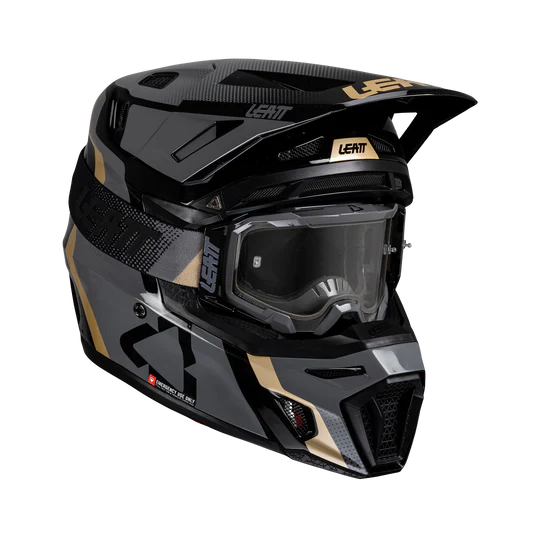
We recommend: Look into gear like Leatt’s helmet + neck brace system—designed to reduce rotational forces and protect your cervical spine. Better tech, smarter safety.

Better Tech, Smarter Safety

We recommend: Find gear that’s CE-rated, fits right, and is comfortable enough that you’ll actually wear it. The best gear is the gear you’ll put on every ride, even for a quick trip.

We recommend: Look at textiles with CE Level 2 armor, high-denier fabrics, and impact zones. The best gear for you is what fits, protects, and breathes well enough to use consistently.

We recommend: Always gear up. Even for a 5-minute ride, gloves, a helmet, jacket, and boots can prevent lifelong injuries.

We recommend: Know and follow Utah lane filtering laws, and do it safely: low speed, awareness, and consideration.

🔧 MAINTENANCE MYTHS

❌ MYTH

“Follow the pressure printed on the tire.”

That’s the maximum pressure, not the ideal one for your bike.

“If my bike ran fine in winter, it’s good to go now.”

After winter, your battery might be weak, tire pressure low, fuel stale, or carbs gummy.

“Used bikes save money.”

Sometimes. Other times, they’re a money pit in disguise.

“Heavy-duty tubes are always better.”

HD tubes are great for off-road abuse, but they can overheat or be harder to change for daily riders.

“Fuel additives boost performance or fix bad gas.”

Some stabilizers help keep fuel fresh, but they won’t “fix” old gas or act as miracle performance boosters.

❌”Regular revving keeps your engine healthy.”

Free-revving while idling just builds heat, wears parts, and wastes fuel.

✅ FACT

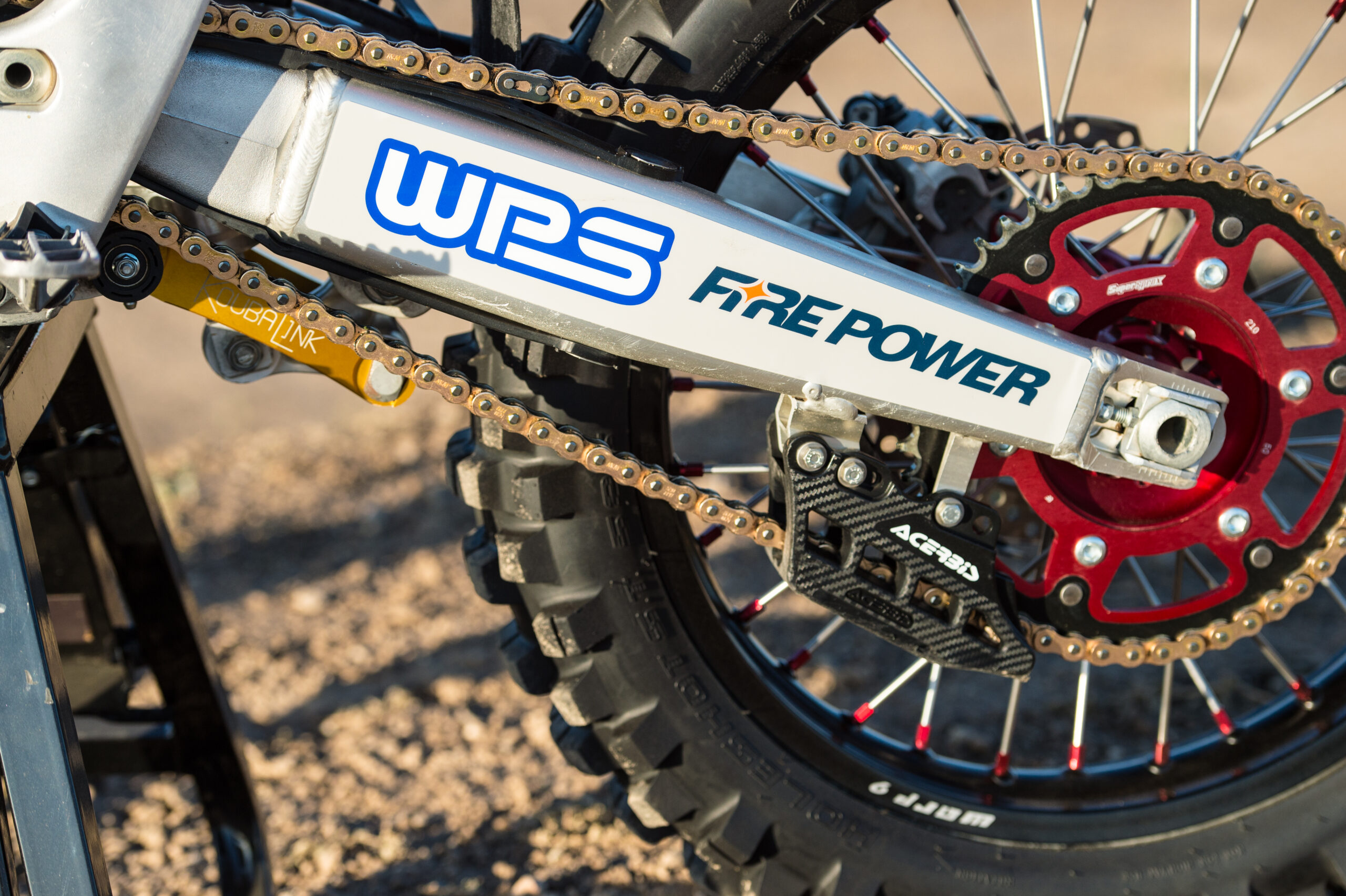
We recommend: Always check your owner’s manual or swingarm sticker for the correct PSI, adjusted for load and riding conditions.

We recommend: A full spring check. Want help? Schedule a pre-season tune-up or check out our Winter Storage Tips to avoid issues next year.

We recommend: Never buy blind. Schedule our 30-minute pre-purchase inspection to catch hidden issues before they cost you.

We recommend: Match your tube to your terrain and usage. Ask us if you’re not sure.

We recommend: Use additives like STA-BIL during storage, and always run fresh, high-quality fuel—not lawnmower leftovers.

We recommend: Take it for a real ride, or use a battery tender during downtime. Cold revving = no real benefit.

🔧 PERFORMANCE & CUSTOMIZATION MYTHS

❌ MYTH

“Aftermarket parts always improve performance”

Some do, but many aftermarket exhausts or intakes reduce performance if not tuned properly. You may lose torque or run lean.

“American made is always better.”

We love U.S. brands, however, even Harley, Indian, and big-name gear producers use global parts. The truth is: quality varies by component, not country. 

“The newest model is always the best.”

New bikes often mean new tech. Although it doesn’t always mean better reliability or value.

❌”I’ve been riding for years. I don’t need a training course.”

Experience is great—but skills fade. And road conditions, laws, and bikes evolve.

✅ FACT

We recommend: Tune with intent. Stay tuned for our upcoming post on Aftermarket Mods We Actually Recommend.

We recommend: Focus on proven build quality and user experience. A well-made part, wherever it’s assembled. 

We recommend: Check out our upcoming feature on New vs. Legendary Bikes for perspective.

We recommend: Take an advanced or refresher course every few years. Many insurance companies even offer discounts.

🚦 Final Thoughts: Let’s Keep Each Other Rolling

Whether you’re wrenching, riding, or just getting back in the saddle, having accurate information matters. The more truth we share as a riding community, the safer—and more fun—it gets for all of us.

✅ Want to ride smarter this season?

  • Bring your bike in for a spring checkup or safety inspection
  • Schedule a 30-min pre-purchase inspection before buying used
  • Ask us any myth you’ve heard—and let us bust it with facts

👇 Drop your questions, comments, or myths you’ve heard in the comments below or swing by the shop. We’re always down to talk bikes—and set the record straight.

Choosing The Perfect Ride: Skill Level

Choosing The Perfect Ride: Skill Level

“Each type of off-road motorcycle is tailored to specific riding preferences and terrain…”

First things first: Let’s quickly talk about your skill level and the distinction between beginner, intermediate, and experienced riders. This is primarily based on their level of skill, riding experience, and proficiency in handling motorcycles. Here’s a breakdown of the key differences between these rider categories.

Beginner Riders: Beginners may have just completed a motorcycle safety course or acquired their learner’s permit. They are still building fundamental riding skills and gaining confidence. If you’re new to riding, start with a lightweight and manageable bike. Consider a standard or cruiser-style motorcycle for a more comfortable and stable experience.

Intermediate Riders: Intermediate riders have spent more time on the road, gaining practical experience in various riding conditions. They are comfortable with basic maneuvers and have improved their riding skills.

As you gain confidence, you can explore sportier options like sportbikes or adventure bikes.

Safety gear remains a top priority for intermediate riders, as they continue to prioritize safety while enjoying more varied riding experiences.

“If you have to ask,

your probably not an

experienced rider.”

Experienced Riders: Let’s be honest, if you have to ask, you’re probably not an experienced rider. Experienced riders have logged a significant number of miles and years on the road. They have navigated various terrains, weather conditions, and traffic situations, which has honed their riding abilities. Seasoned riders have a wide range of choices, depending on their preferences. Sportbikes, touring bikes, and even custom builds become possibilities.  Experienced riders also know that there is always room for improvement and that additional training to continuously strive to improve their skills, ensuring they stay safe and maintain their riding proficiency.

Each type of off-road motorcycle is tailored to specific riding preferences and terrain, so choosing the right one depends on your experience level, the type of riding you intend to do, and your personal preferences.

Fuel Facts Every Rider Should Know

Fuel Facts Every Rider Should Know

Fuel Facts To Save You Money

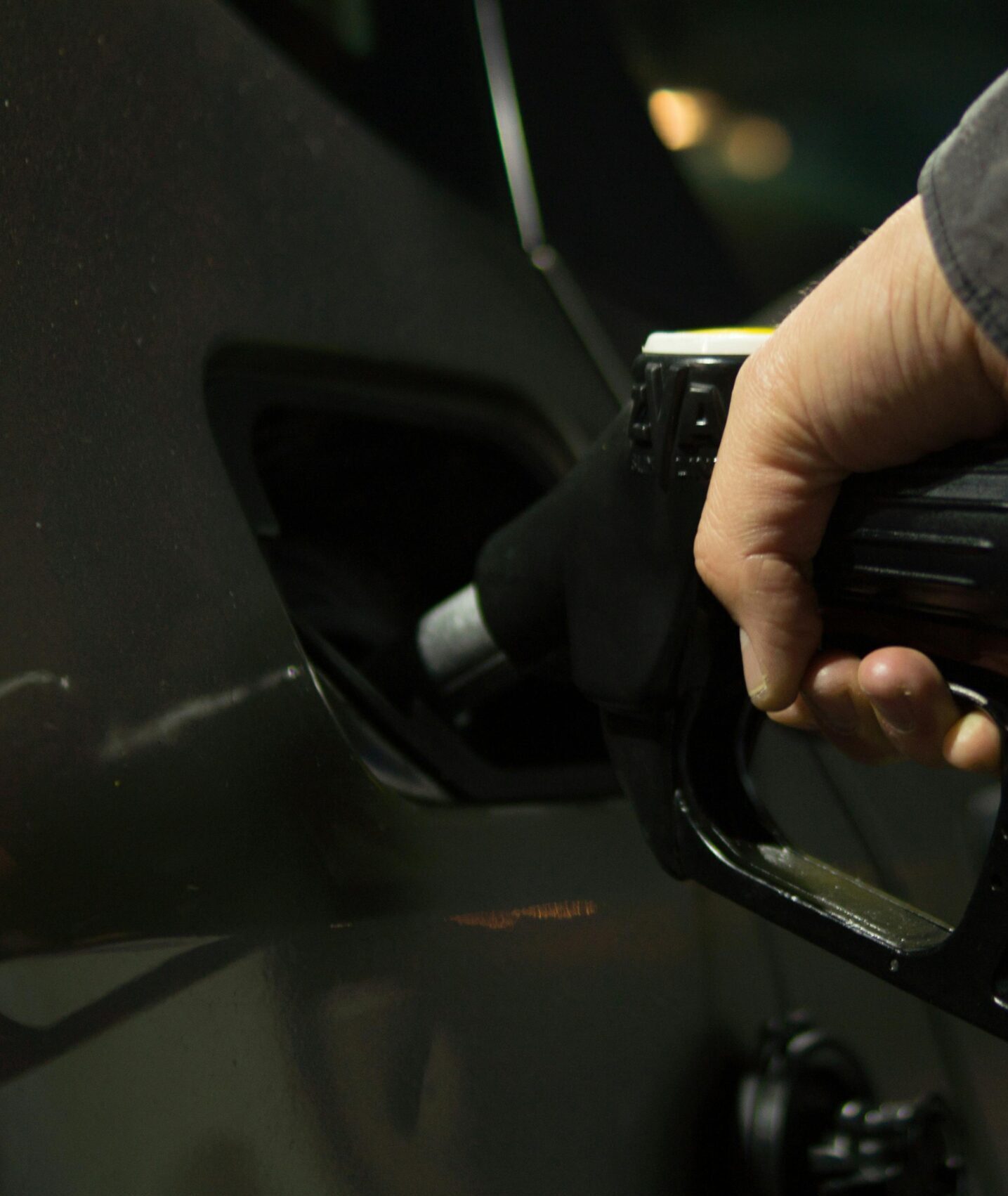
At Fastback Moto, one of the most common issues we see — especially after a bike’s been parked through the winter — is old fuel causing hard starts, rough idling, or bikes that won’t fire up at all. The first thing we look for is bad fuel. After about 30 to 60 days, gas begins to lose its volatility and breaks down. As it degrades, it can leave behind a sticky, varnish-like residue that clogs up fuel systems.

Throw ethanol into the mix, and the problem gets worse. Ethanol absorbs moisture from the air, speeding up fuel breakdown and leading to corrosion inside your tank, lines, and carburetors.

Carbureted bikes are hit the hardest, with tiny jets and passages getting plugged up by gummy residue. But even fuel-injected bikes aren’t off the hook injectors can stick or gum up if bad fuel sits too long.

We’ve pulled apart tanks, fuel pumps and carbs full of thick, foul-smelling fuel residue more times than we can count.

But here’s the good news: with a little know-how and a couple of smart habits, you can avoid most of it.

We’re here to help you get the most out of your bike, your ride season, and your wallet.

“Choosing the right fuel isn’t just about increasing horsepower…”

Octane Matters

Choosing the right octane fuel isn’t just about increasing horsepower, it’s about giving your engine the clean, reliable fuel it was built for to protect it from unnecessary damage.

What Is Octane?

Octane rating measures a fuel’s resistance to pre-ignition (knocking) when fuel ignites too early in the combustion cycle.

The higher the octane, the more pressure the fuel can handle before igniting.

Here are some common Octane Levels and when to use them:

Fuel Table
Octane Rating Where You'll Find It Best For
85-87 (Regular) Most Gas Stations DO NOT USE IN YOUR BIKE
85-87 (Mid-Grade) Some Gas Stations DO NOT USE IN YOUR BIKE
91-93 (Premium) Select/Performance-focused Stations High-compression sportbikes, performance cruisers, touring bikes with advanced ignition timing
91-93 Ethanol-Free Specialty Pumps, Marinas, Power Sports Stations Carburated motorcycles, seasonal bikes, classics, bikes in storage, and 2-stroke premix applications, Vintage Bikes

Sticking to the minimum octane rating in your bike’s owner’s manual means it will run smoother with better throttle response and fewer headaches.

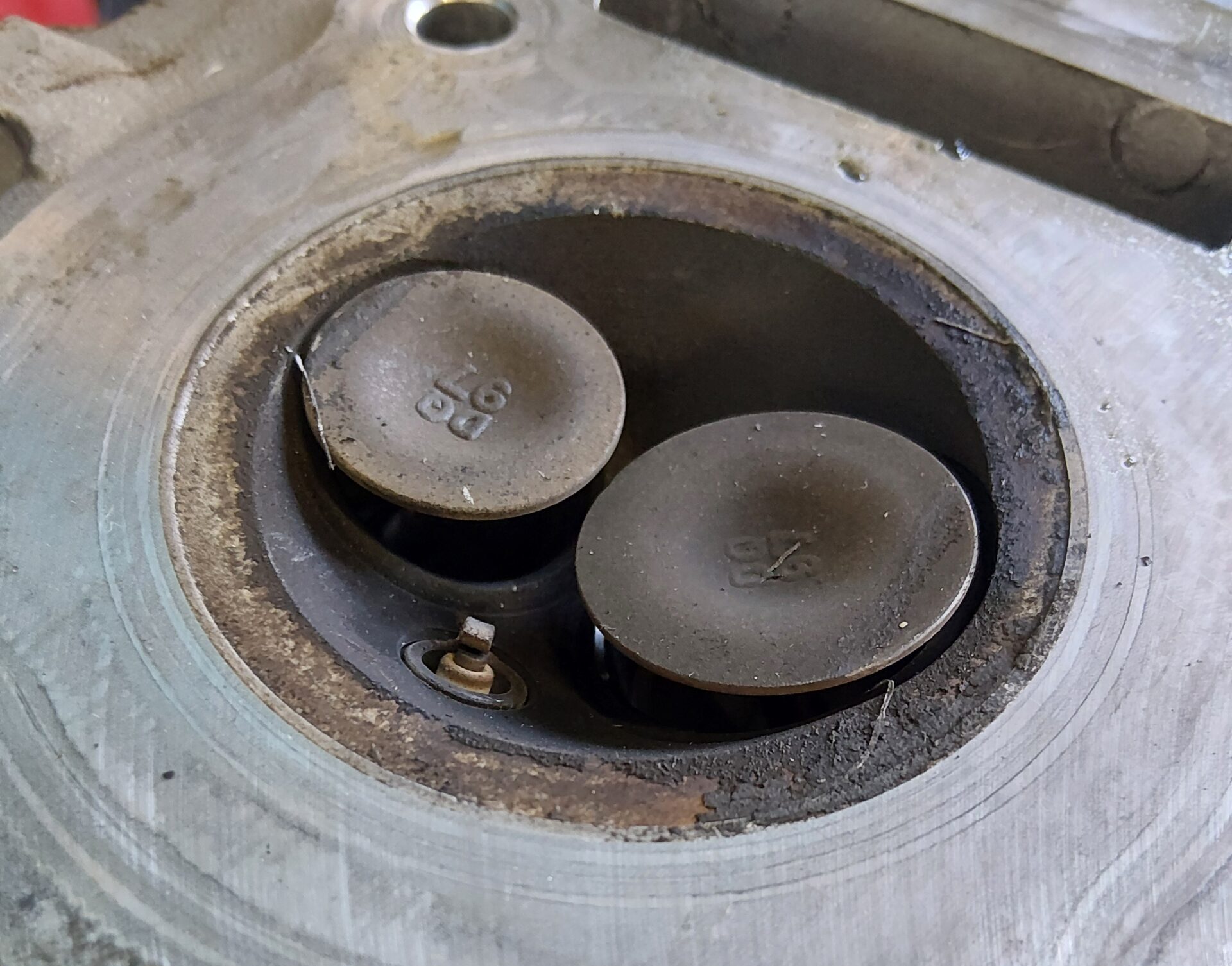
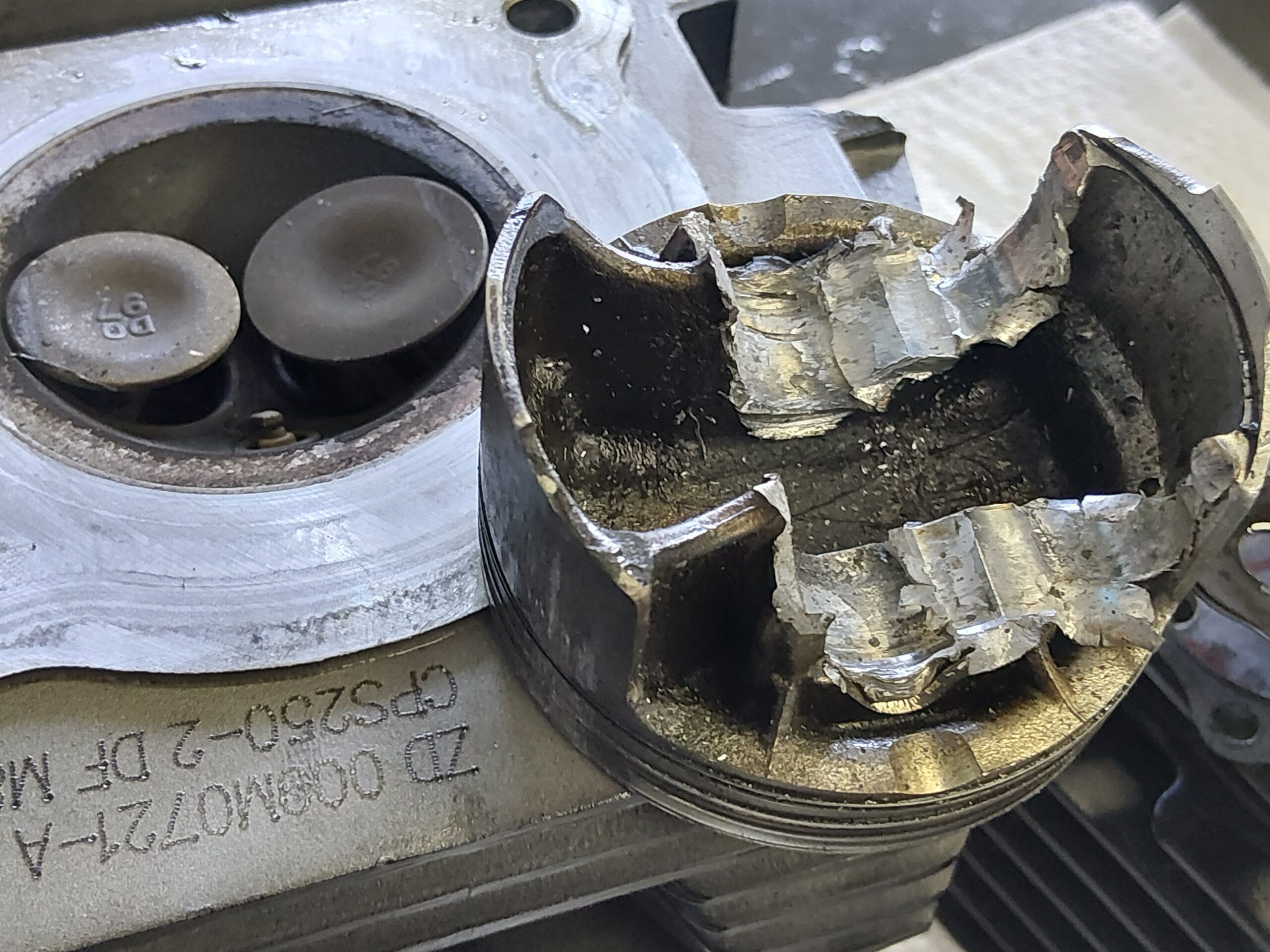
High-performance motorcycles, sportbikes, and some cruisers with higher compression ratios often require 91 octane or higher. Using a lower grade than recommended can cause pre-ignition (knocking), leading to excessive heat in the combustion chamber, closing faster than intended. Over time, this puts stress on your valves, valve seats, and piston crowns, potentially leading to premature wear or engine damage.

What Does It Mean to “Bend a Valve” on a Motorcycle?

Inside your motorcycle’s engine, valves open and close at precise times to let air-fuel mixture in (intake valve) and let exhaust gases out (exhaust valve). These valves move up and down rapidly in sync with the piston’s motion.

A bent valve happens when one of those valves makes contact with the piston while it’s closing, or when excessive heat, pre-ignition (knock), or mechanical failure causes the valve to warp.

This prevents the valve from sealing properly against the valve seat, leading to:

  • Loss of compression
  • Misfires
  • Rough running or no-start
  • Further damage to the cylinder, piston crown, or head if ignored

On a running engine, this is bad news. The bike might still run, but poorly; and continuing to ride it risks more expensive damage.

On a running engine, this is bad news. The bike might still run, but poorly; and continuing to ride it risks more expensive damage.

How Much Does It Cost to Fix a Bent Valve on a Motorcycle?

Costs depend on your bike, how many valves are damaged, and whether it’s a single-cylinder, twin, or multi-cylinder engine. Here’s a typical range for a shop like Fastback Moto:

Fuel Table
Service Type Estimated Pricing
Valve clearance check/adjustment $250–$450
Remove & inspect cylinder head $350–$600
Valve replacement (single valve) $80–$180 (part only)
Valve job (grind, replace, reseat 2–4 valves, new gaskets) $800–$1,500+
Top-end rebuild (if piston/cylinder is damaged too) $1,500–$2,500+

It adds up fast because of the labor involved. The cylinder head has to come off, valves inspected or replaced, seats cut, and everything reassembled with fresh gaskets and a valve clearance adjustment afterward.

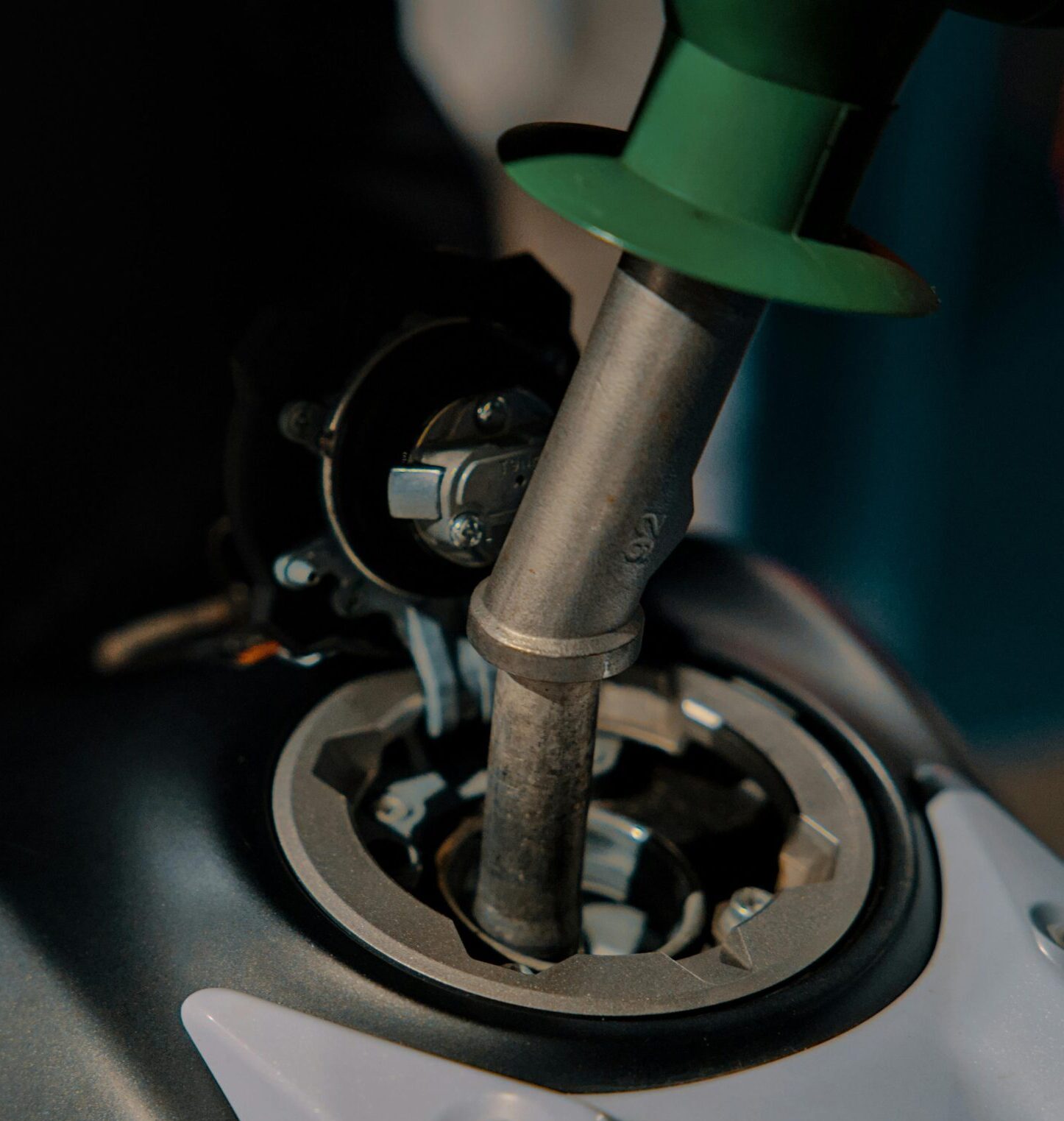
The fix? Just fuel up with what your bike calls for. If you’re not sure, ask us — we’re always happy to help. It’s a small move that makes a big difference in ride quality and long-term health of the bike.

Ethanol-Free Fuel

Ethanol is a type of alcohol blended into most pump fuels to reduce emissions, unfortunately ethanol is rough on motorcycles. It’s hygroscopic nature absorbs water from the air. The longer your fuel sits, the more moisture it takes on. In bikes, especially carbureted models, this leads to:

Why We Love Ethanol-Free Fuel

If you’ve hung out at the shop, you’ve probably heard us talk about this. 91 Octane Ethanol-free fuel is a motorcycle’s best friend — especially for carbureted bikes, vintage rides, and anything that might sit for a bit.

Ethanol is fine for cars that run every day, but for bikes:

  • It pulls moisture from the air
  • Breaks down faster
  • Corrodes the inside your fuel tank
  • Can cause corrosion and gum up tiny fuel passages

Using ethanol-free fuel in your motorcycle means:

  • Easier starts after storage
  • Fewer carb issues
  • Cleaner-running engines
  • Less money spent on repairs

Keeping fresh, high-quality fuel in we bike and choosing the right octane does more than protect your engine — it saves you money, time, and headaches during the ride season. Bikes that run clean fuel with the proper octane experience better throttle response, easier starts, and smoother idle. You’ll also avoid costly carb cleaning, fuel pump replacements, or injector service, which are often caused by fuel-related issues. The better care you take of your fuel system, the less you’ll spend on preventable repairs — leaving more in your wallet for proper maintenance, suitable upgrades, gear, gas, and road trips.

Is it a little more per gallon? Sure. But compared to a carb rebuild ($200–$450+) or injector service, it’s a solid investment.

Fuel for 2-Stroke Motorcycles 

2-stroke engines require pre-mixed fuel (gas + 2-stroke oil) and typically run best on 91 octane or ethanol-free fuel. Ethanol blends break down faster, attract moisture, and can lean out your mix, risking a seized piston or accelerated wear.

  • Best practice: Use 91+ octane ethanol-free fuel with a high-quality 2-stroke oil mixed to the ratio recommended by your manufacturer (commonly 32:1 or 50:1).
  • If ethanol-free isn’t available, use the highest octane possible and never let it sit long.

    Why Octane (and Ethanol Free) Matters

    We are all for saving money where you can but lower quality fuel in your bike is NOT the way to do it

    • Lower-than-recommended octane can cause engine knock, overheat valves, and damage piston crowns over time — especially in high-performance or high-compression bikes.
    • High-ethanol fuel attracts water, breaks down quickly, and can cause corrosion, clogged jets, or gummed-up carbs — especially bad news for older bikes and carbureted engines.
    • Ethanol-free fuel stays stable longer, burns cleaner, and is ideal for motorcycles especially those with limited use or seasonal storage.

    One of the things we get asked about are fuel stabilizers, octane boosters, and fuel system additives. While some can help in specific situations, at Fastback Moto we generally don’t recommend them as a solution. Here’s why:

    • Most additives are a band-aid, not a fix. If your fuel is old or your carb is dirty, no bottle from the parts store is going to undo varnish or clean clogged jets properly.
    • Many additives are designed for cars, not motorcycles. Bikes, especially carbureted models, have much smaller fuel passages and different tolerances.
    • They can slow down fuel breakdown if you can’t get ethanol-free gas or if your bike will sit for a month or two. But nothing beats fresh, high octane fuel and draining your carbs and/or tank for storage.

    Fuel Stabilizers & Additives: Do You Really Need Them?

    We get it, you plan to ride, then before you know it a couple months fly by. Sometimes you’re tempted to dump a little something in the tank when a bike’s been sitting, or when you’ve only got questionable fuel around. Maybe you found a can of gas in the shed, or thought about using “lawnmower fuel” to get by. Unfortunately, fuel from storage cans or lawn equipment is rarely fresh, clean, or high enough octane for your motorcycle. It breaks down faster, collects moisture, and can leave varnish or debris that clogs carb jets and fuel injectors.

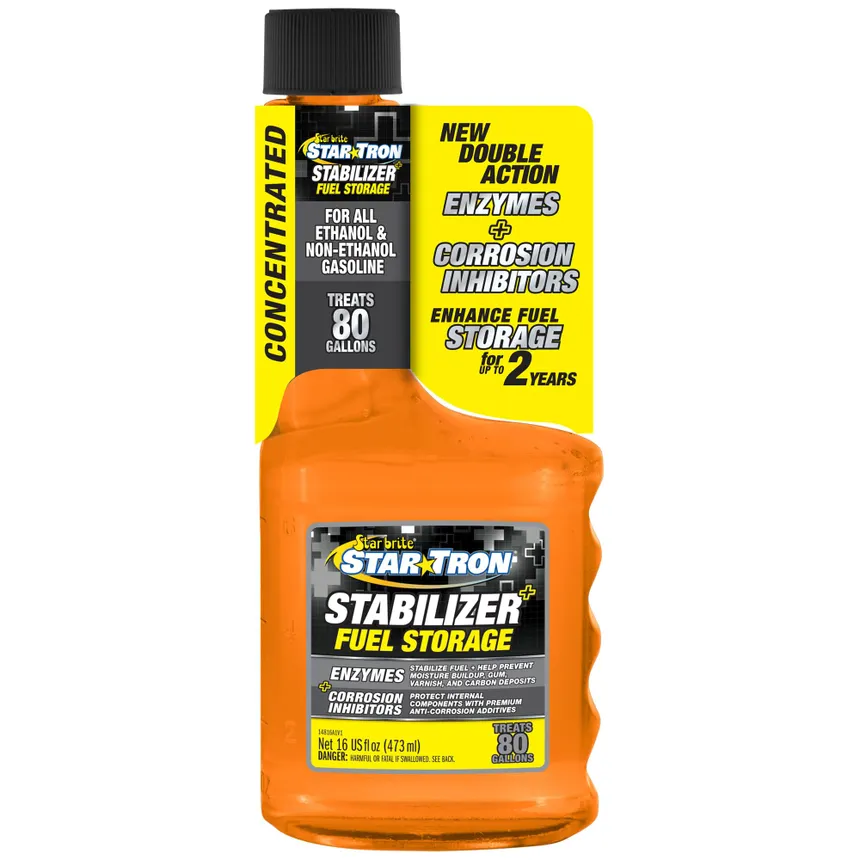
    If gas has been sitting for a while, drain it before starting it. Popular stabilizers like Star Tron or SeaFoam can slow down fuel breakdown, but we still do NOT recommend even if used sparingly. It is always better to drain the fuel to avoid issues altogether

    When in doubt? Skip the addatives and focus on good fuel habits. It’s cheaper, safer, and works every time.

    Final Word from the Fastback Crew

    Your fuel choices directly affect how your bike runs, how often you need service, and how much you enjoy your ride.

    Not sure what octane your bike needs? Wondering if that fuel in your tank is still good? Or maybe you’re hearing a weird knock or dealing with a sticky throttle after sitting for a while. Either way, swing by Fastback Moto. Tyler and the crew have dealt with just about every fuel-related issue you can think of. Whether it’s a quick check, a fuel flush, or a carb rebuild, we’ll help prevent avoidable service work keep your bike running properly so you can get back to what matters: riding.

    A little attention to fuel now saves you money, downtime, and headaches later.

    Now, get out there and ride. 😉

    Fuel Facts Every Rider Should Know

    Skill Level: Tips for Beginner Motorcycle Riders

    “Starting your journey as a motorcycle rider is thrilling, and it comes with responsibilities.”

    Embarking on your journey as a motorcycle rider is an exhilarating experience that opens up a world of freedom, adventure, and adrenaline. The wind rushing past you, the hum of the engine, and the open road ahead create an unmatched sense of thrill.

    However, with this excitement comes significant responsibilities to ensure your safety and build the confidence needed to navigate roads effectively. One of the most critical steps in this journey is committing to wearing proper safety gear every single time you ride.

    Unlike the protective shell of a car, motorcycles offer minimal inherent protection, leaving riders far more vulnerable in the event of a crash. That’s why investing in high-quality, purpose-built gear is non-negotiable for anyone serious about staying safe.

    Gear Up for Protection: The Essential Armor for Every Ride

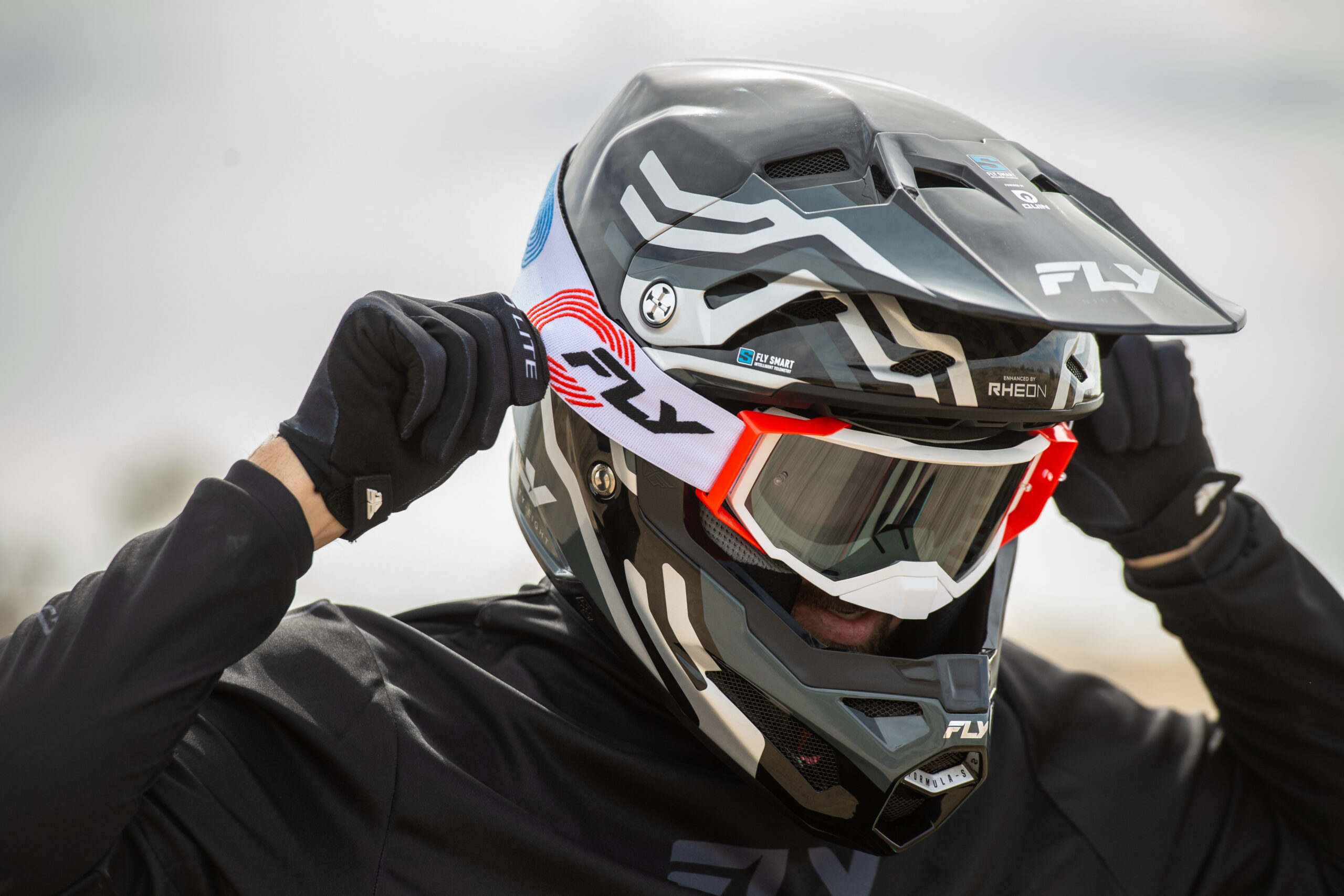
    At the top of your safety gear list is a DOT-approved full-face helmet. The full-face design provides comprehensive protection for your jaw, face, and chin—areas often impacted in crashes—while also shielding you from wind, debris, and harsh UV rays during long rides.

    When choosing a helmet, ensure it carries the Department of Transportation (DOT) sticker, and consider models with additional certifications like ECE or Snell for even higher standards of protection.


    Complementing your helmet, a motorcycle-specific jacket with integrated armor is essential for safeguarding your upper body.

    Look for jackets constructed from abrasion-resistant materials like leather or heavy-duty textile blends (such as Kevlar or Cordura), reinforced with CE-rated armor at the shoulders, elbows, and back.

    These impact-absorbing pads significantly reduce the severity of injuries from falls or collisions.

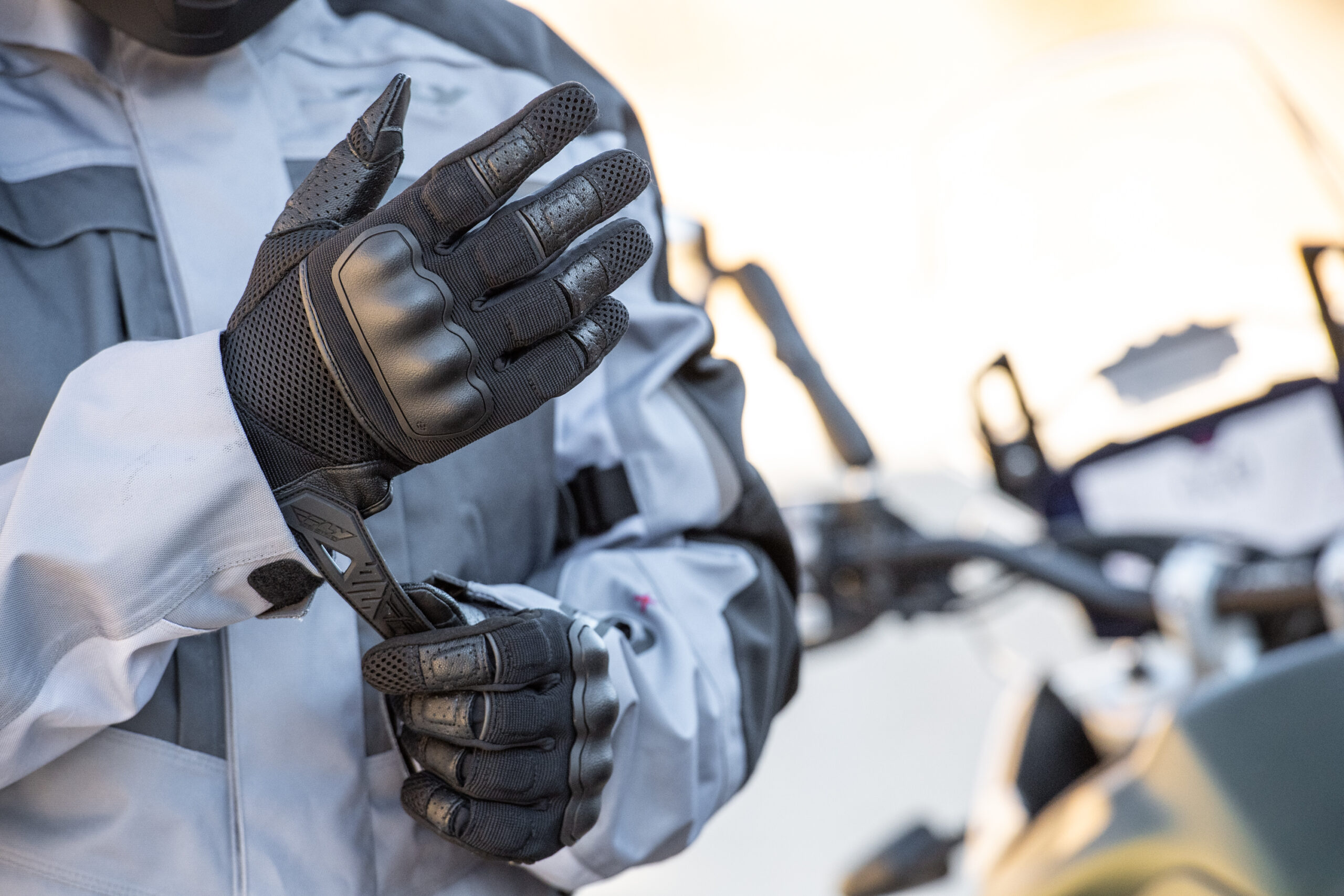
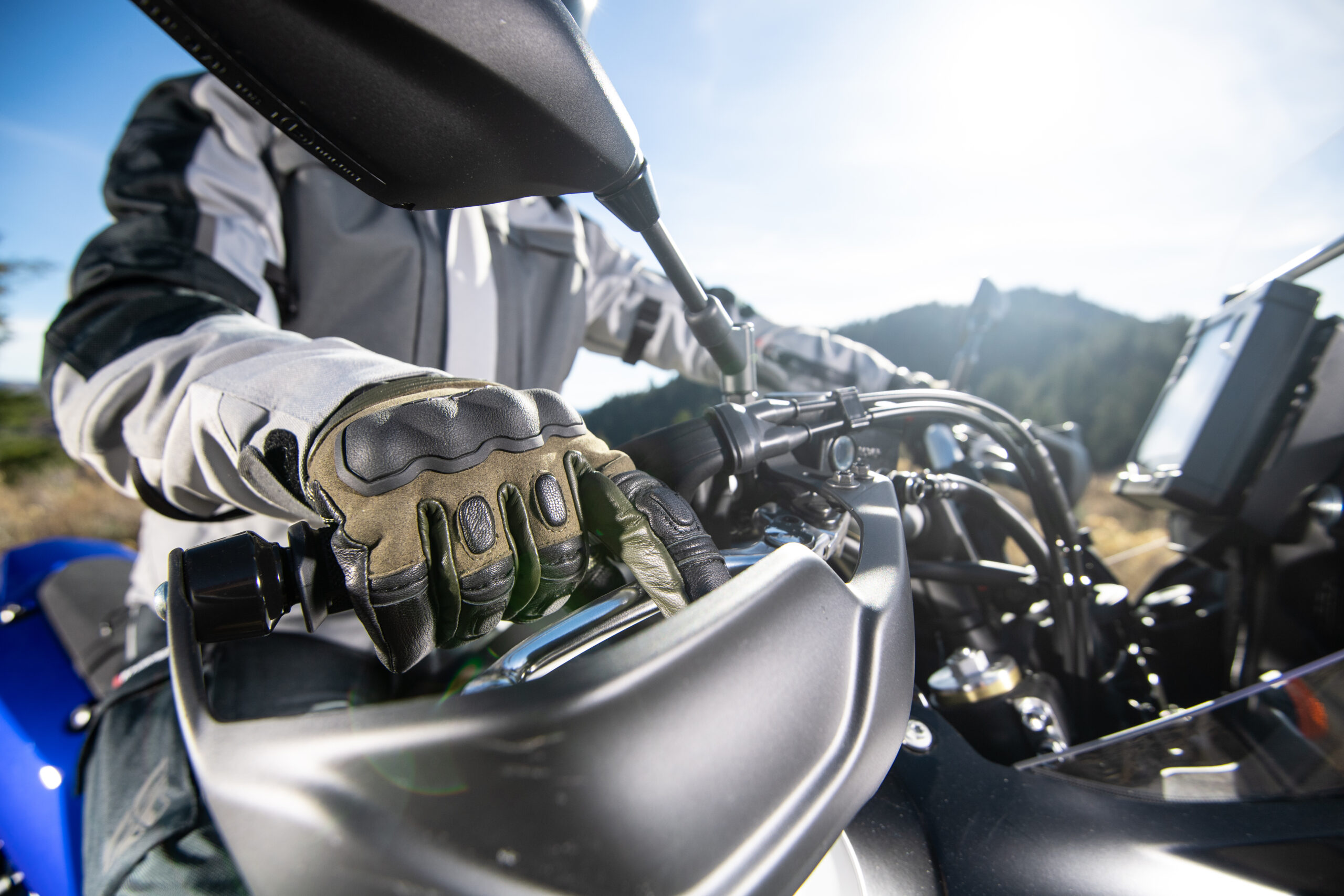
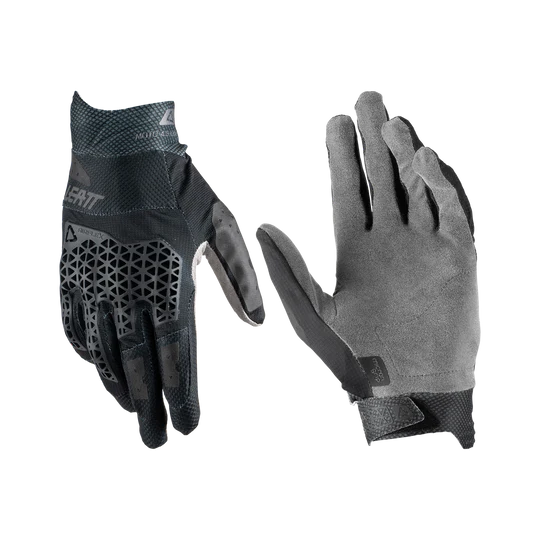
    For gloves, prioritize full-fingered designs with hard knuckle protection and reinforced palms to maintain grip and shield your hands during slides. Your hands are critical for controlling the bike, so protecting them ensures you retain control even in challenging situations.

    “A well-maintained bike is more reliable…”

    Keeping your motorcycle in top shape is another key to safe riding. A well-maintained bike is more reliable and less likely to cause accidents due to issues like worn tires or low oil.

    Before every ride, check your tire tread depth and pressure to ensure good grip on Utah’s diverse roads. Schedule oil changes and seasonal inspections and learn basic checks like chain tension or brake pad wear.

    Fastback Moto offers affordable services like oil changes and tire checks in to keep your bike road-ready.

    Riding defensively is crucial since motorcyclists are harder for drivers to spot. Always assume drivers don’t see you, keep a safe 3–4-second following distance, and use headlights and hand signals to boost visibility, even in daylight.

    Watch for Utah-specific hazards like gravel or wet pavement, and avoid lingering in blind spots. Practicing defensive riding in low-traffic areas can build your confidence.

    Choosing the right motorcycle sets you up for success.

    A beginner-friendly bike with a low seat height and manageable power, like a 250–500cc model.

    Orion RXB 250 or Kawasaki Ninja 400, helps you build skills without feeling overwhelmed. Test-ride bikes at a dealership to find one that fits comfortably. Avoid heavy or high-performance bikes until you’re more experienced.

    Fastback Moto has community events like bike nights where you can learn from seasoned riders. By following these tips, you’ll hit the road safely and confidently—reach out to Fastback Moto for gear, services, or advice to kickstart your ride!