
Fuel Facts Every Rider Should Know
Fuel Facts To Save You Money
At Fastback Moto, one of the most common issues we see — especially after a bike’s been parked through the winter — is old fuel causing hard starts, rough idling, or bikes that won’t fire up at all. The first thing we look for is bad fuel. After about 30 to 60 days, gas begins to lose its volatility and breaks down. As it degrades, it can leave behind a sticky, varnish-like residue that clogs up fuel systems.
Throw ethanol into the mix, and the problem gets worse. Ethanol absorbs moisture from the air, speeding up fuel breakdown and leading to corrosion inside your tank, lines, and carburetors.
Carbureted bikes are hit the hardest, with tiny jets and passages getting plugged up by gummy residue. But even fuel-injected bikes aren’t off the hook injectors can stick or gum up if bad fuel sits too long.
We’ve pulled apart tanks, fuel pumps and carbs full of thick, foul-smelling fuel residue more times than we can count.
But here’s the good news: with a little know-how and a couple of smart habits, you can avoid most of it.
We’re here to help you get the most out of your bike, your ride season, and your wallet.
“Choosing the right fuel isn’t just about increasing horsepower…”
Octane Matters
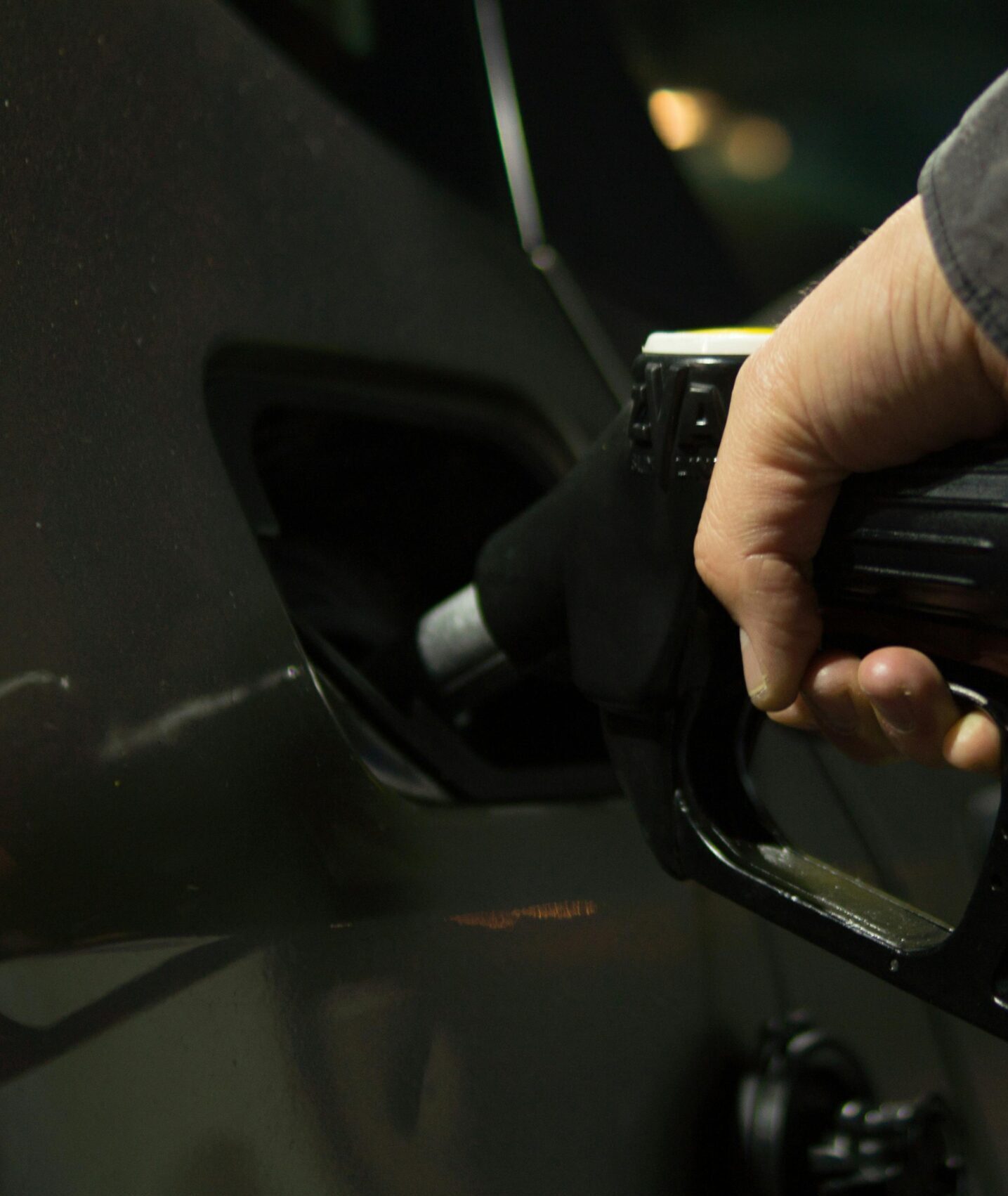
Choosing the right octane fuel isn’t just about increasing horsepower, it’s about giving your engine the clean, reliable fuel it was built for to protect it from unnecessary damage.
What Is Octane?
Octane rating measures a fuel’s resistance to pre-ignition (knocking) when fuel ignites too early in the combustion cycle.
The higher the octane, the more pressure the fuel can handle before igniting.
Here are some common Octane Levels and when to use them:
| Octane Rating | Where You'll Find It | Best For |
|---|---|---|
| 85-87 (Regular) | Most Gas Stations | DO NOT USE IN YOUR BIKE |
| 85-87 (Mid-Grade) | Some Gas Stations | DO NOT USE IN YOUR BIKE |
| 91-93 (Premium) | Select/Performance-focused Stations | High-compression sportbikes, performance cruisers, touring bikes with advanced ignition timing |
| 91-93 Ethanol-Free | Specialty Pumps, Marinas, Power Sports Stations | Carburated motorcycles, seasonal bikes, classics, bikes in storage, and 2-stroke premix applications, Vintage Bikes |
Sticking to the minimum octane rating in your bike’s owner’s manual means it will run smoother with better throttle response and fewer headaches.
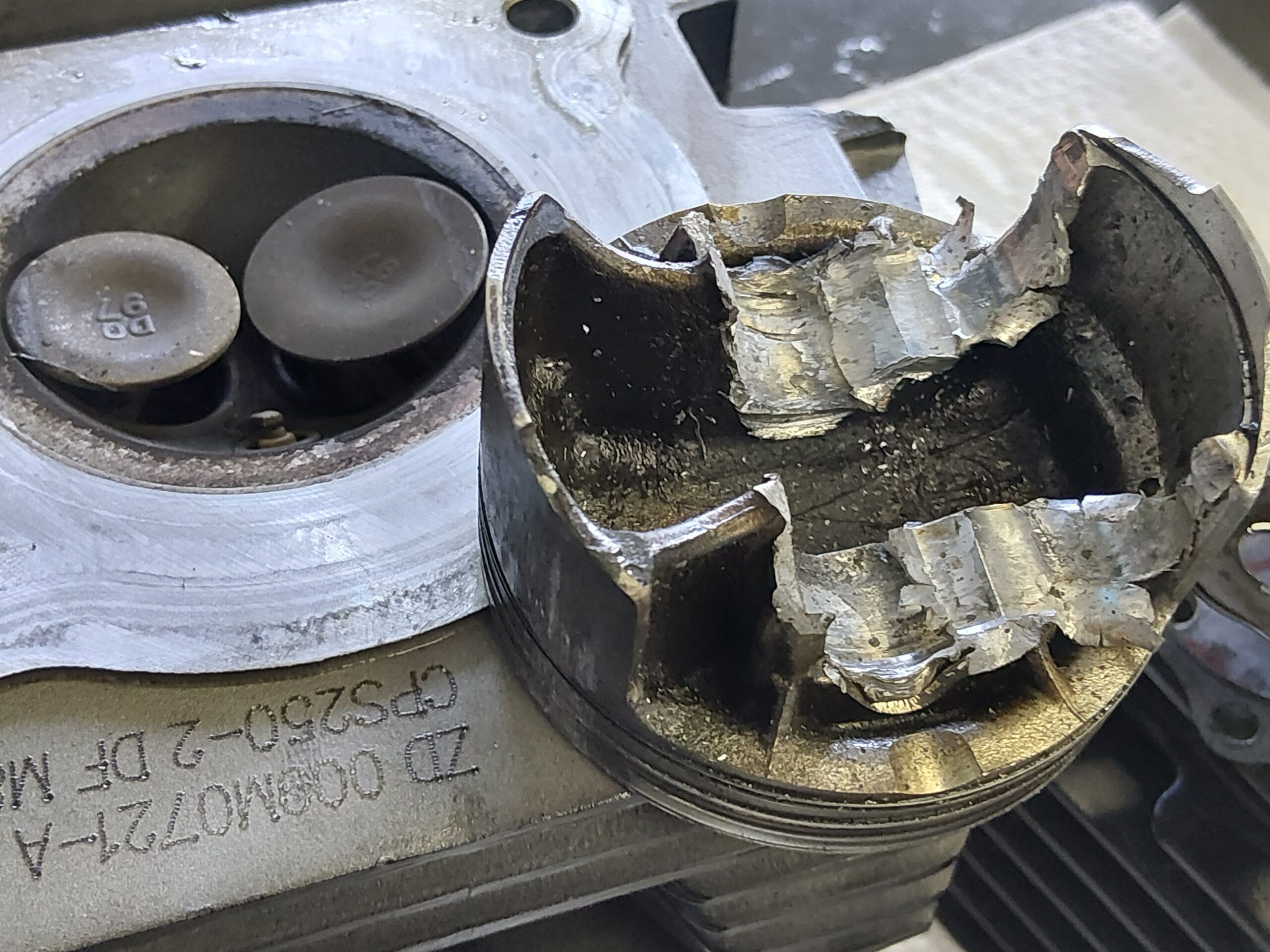
High-performance motorcycles, sportbikes, and some cruisers with higher compression ratios often require 91 octane or higher. Using a lower grade than recommended can cause pre-ignition (knocking), leading to excessive heat in the combustion chamber, closing faster than intended. Over time, this puts stress on your valves, valve seats, and piston crowns, potentially leading to premature wear or engine damage.
What Does It Mean to “Bend a Valve” on a Motorcycle?
Inside your motorcycle’s engine, valves open and close at precise times to let air-fuel mixture in (intake valve) and let exhaust gases out (exhaust valve). These valves move up and down rapidly in sync with the piston’s motion.
A bent valve happens when one of those valves makes contact with the piston while it’s closing, or when excessive heat, pre-ignition (knock), or mechanical failure causes the valve to warp.
This prevents the valve from sealing properly against the valve seat, leading to:
- Loss of compression
- Misfires
- Rough running or no-start
- Further damage to the cylinder, piston crown, or head if ignored
On a running engine, this is bad news. The bike might still run, but poorly; and continuing to ride it risks more expensive damage.
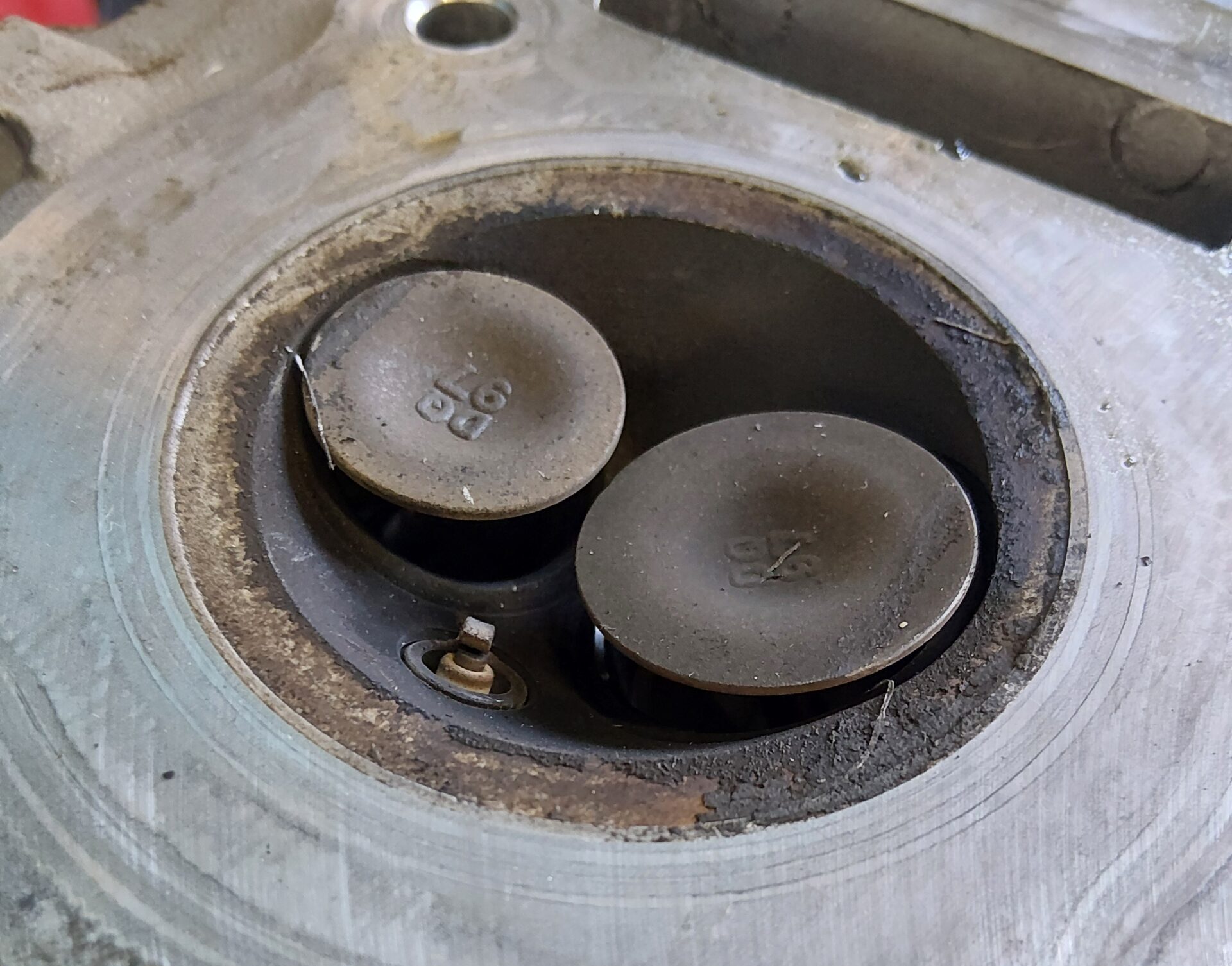
On a running engine, this is bad news. The bike might still run, but poorly; and continuing to ride it risks more expensive damage.
How Much Does It Cost to Fix a Bent Valve on a Motorcycle?
Costs depend on your bike, how many valves are damaged, and whether it’s a single-cylinder, twin, or multi-cylinder engine. Here’s a typical range for a shop like Fastback Moto:
| Service Type | Estimated Pricing |
|---|---|
| Valve clearance check/adjustment | $250–$450 |
| Remove & inspect cylinder head | $350–$600 |
| Valve replacement (single valve) | $80–$180 (part only) |
| Valve job (grind, replace, reseat 2–4 valves, new gaskets) | $800–$1,500+ |
| Top-end rebuild (if piston/cylinder is damaged too) | $1,500–$2,500+ |
It adds up fast because of the labor involved. The cylinder head has to come off, valves inspected or replaced, seats cut, and everything reassembled with fresh gaskets and a valve clearance adjustment afterward.
The fix? Just fuel up with what your bike calls for. If you’re not sure, ask us — we’re always happy to help. It’s a small move that makes a big difference in ride quality and long-term health of the bike.
Ethanol-Free Fuel
Ethanol is a type of alcohol blended into most pump fuels to reduce emissions, unfortunately ethanol is rough on motorcycles. It’s hygroscopic nature absorbs water from the air. The longer your fuel sits, the more moisture it takes on. In bikes, especially carbureted models, this leads to:
Why We Love Ethanol-Free Fuel
If you’ve hung out at the shop, you’ve probably heard us talk about this. 91 Octane Ethanol-free fuel is a motorcycle’s best friend — especially for carbureted bikes, vintage rides, and anything that might sit for a bit.
Ethanol is fine for cars that run every day, but for bikes:
- It pulls moisture from the air
- Breaks down faster
- Corrodes the inside your fuel tank
- Can cause corrosion and gum up tiny fuel passages
Using ethanol-free fuel in your motorcycle means:
- Easier starts after storage
- Fewer carb issues
- Cleaner-running engines
- Less money spent on repairs
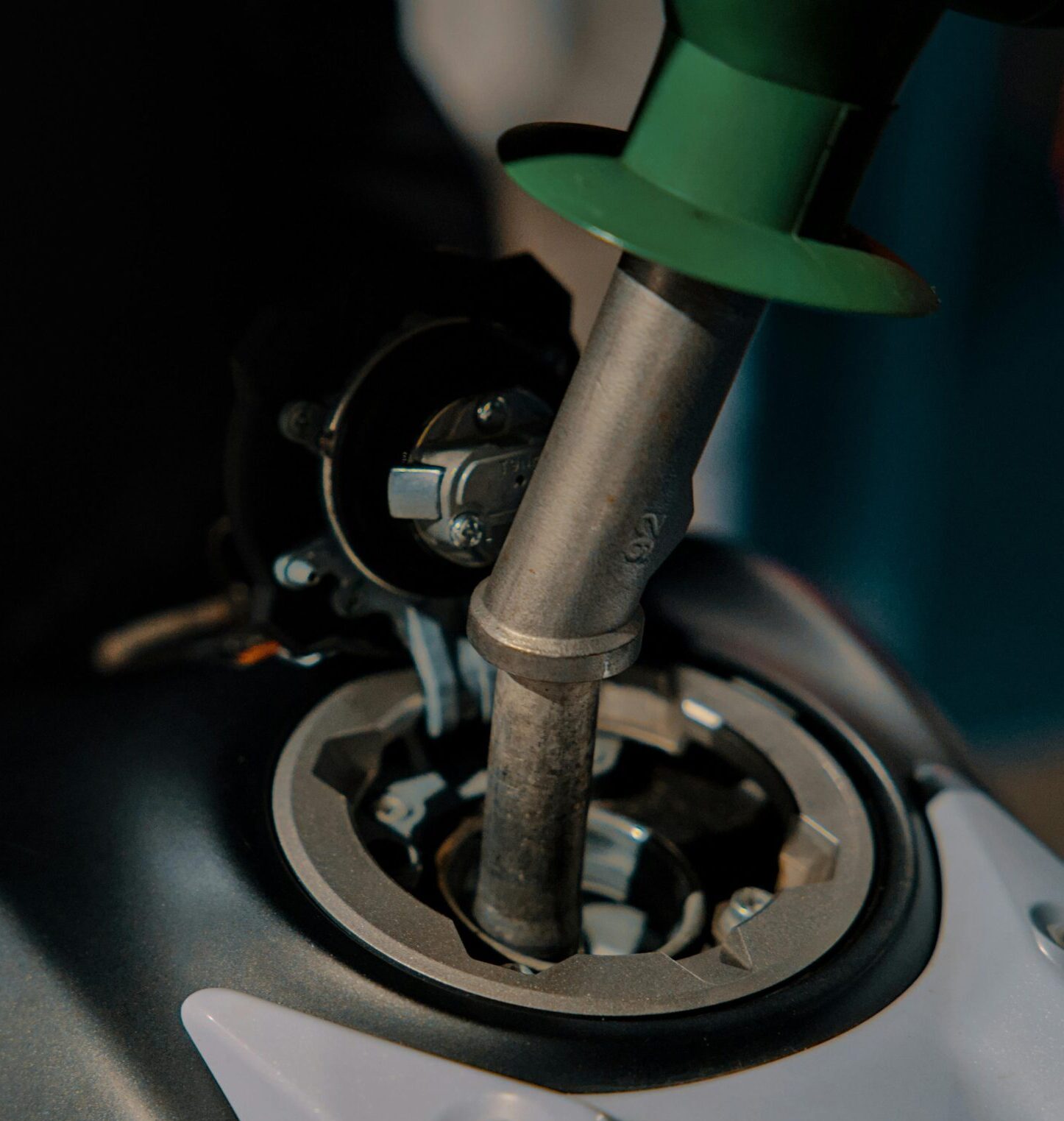
Keeping fresh, high-quality fuel in we bike and choosing the right octane does more than protect your engine — it saves you money, time, and headaches during the ride season. Bikes that run clean fuel with the proper octane experience better throttle response, easier starts, and smoother idle. You’ll also avoid costly carb cleaning, fuel pump replacements, or injector service, which are often caused by fuel-related issues. The better care you take of your fuel system, the less you’ll spend on preventable repairs — leaving more in your wallet for proper maintenance, suitable upgrades, gear, gas, and road trips.
Is it a little more per gallon? Sure. But compared to a carb rebuild ($200–$450+) or injector service, it’s a solid investment.
Find Ethanol Free Gas Near You!

Fuel for 2-Stroke Motorcycles
2-stroke engines require pre-mixed fuel (gas + 2-stroke oil) and typically run best on 91 octane or ethanol-free fuel. Ethanol blends break down faster, attract moisture, and can lean out your mix, risking a seized piston or accelerated wear.
- Best practice: Use 91+ octane ethanol-free fuel with a high-quality 2-stroke oil mixed to the ratio recommended by your manufacturer (commonly 32:1 or 50:1).
- If ethanol-free isn’t available, use the highest octane possible and never let it sit long.
Why Octane (and Ethanol Free) Matters
We are all for saving money where you can but lower quality fuel in your bike is NOT the way to do it
- Lower-than-recommended octane can cause engine knock, overheat valves, and damage piston crowns over time — especially in high-performance or high-compression bikes.
- High-ethanol fuel attracts water, breaks down quickly, and can cause corrosion, clogged jets, or gummed-up carbs — especially bad news for older bikes and carbureted engines.
- Ethanol-free fuel stays stable longer, burns cleaner, and is ideal for motorcycles especially those with limited use or seasonal storage.
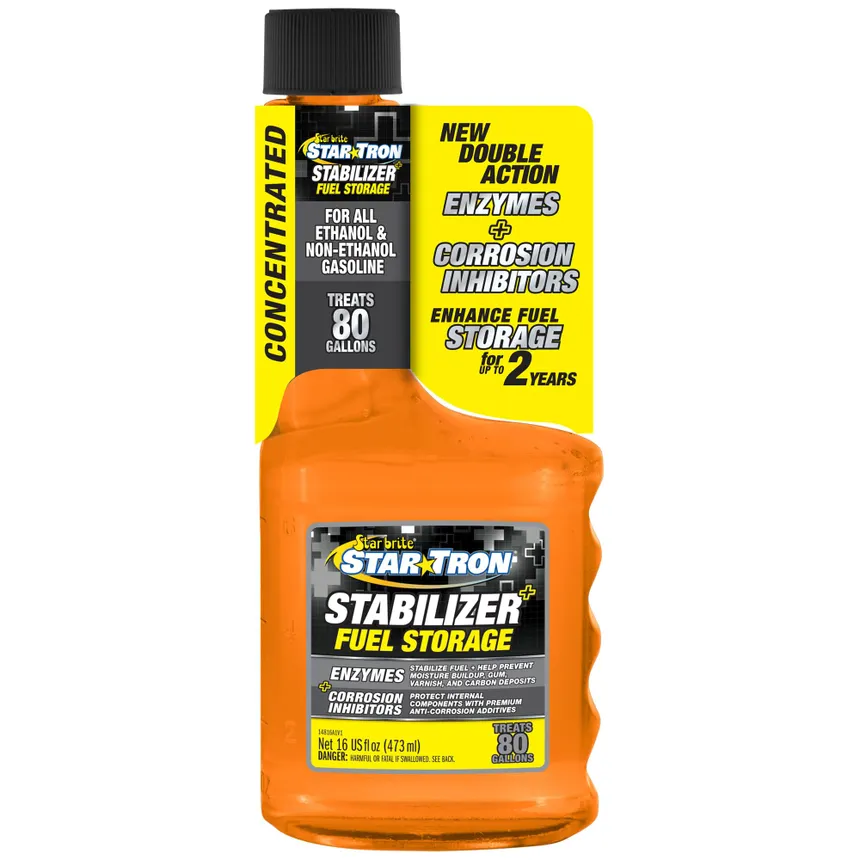
One of the things we get asked about are fuel stabilizers, octane boosters, and fuel system additives. While some can help in specific situations, at Fastback Moto we generally don’t recommend them as a solution. Here’s why:
- Most additives are a band-aid, not a fix. If your fuel is old or your carb is dirty, no bottle from the parts store is going to undo varnish or clean clogged jets properly.
- Many additives are designed for cars, not motorcycles. Bikes, especially carbureted models, have much smaller fuel passages and different tolerances.
- They can slow down fuel breakdown if you can’t get ethanol-free gas or if your bike will sit for a month or two. But nothing beats fresh, high octane fuel and draining your carbs and/or tank for storage.
Fuel Stabilizers & Additives: Do You Really Need Them?
We get it, you plan to ride, then before you know it a couple months fly by. Sometimes you’re tempted to dump a little something in the tank when a bike’s been sitting, or when you’ve only got questionable fuel around. Maybe you found a can of gas in the shed, or thought about using “lawnmower fuel” to get by. Unfortunately, fuel from storage cans or lawn equipment is rarely fresh, clean, or high enough octane for your motorcycle. It breaks down faster, collects moisture, and can leave varnish or debris that clogs carb jets and fuel injectors.
If gas has been sitting for a while, drain it before starting it. Popular stabilizers like Star Tron or SeaFoam can slow down fuel breakdown, but we still do NOT recommend even if used sparingly. It is always better to drain the fuel to avoid issues altogether
When in doubt? Skip the addatives and focus on good fuel habits. It’s cheaper, safer, and works every time.
Final Word from the Fastback Crew
Your fuel choices directly affect how your bike runs, how often you need service, and how much you enjoy your ride.
Not sure what octane your bike needs? Wondering if that fuel in your tank is still good? Or maybe you’re hearing a weird knock or dealing with a sticky throttle after sitting for a while. Either way, swing by Fastback Moto. Tyler and the crew have dealt with just about every fuel-related issue you can think of. Whether it’s a quick check, a fuel flush, or a carb rebuild, we’ll help prevent avoidable service work keep your bike running properly so you can get back to what matters: riding.
A little attention to fuel now saves you money, downtime, and headaches later.
Now, get out there and ride. 😉