385-777-2536 info@fastbackmoto.com
Easy Ways to Keep Your Bike Newer, Longer

Easy Ways to Keep Your Bike Newer, Longer

Easy Ways to Keep Your Bike Newer, Longer

We’ve seen some vintage bikes roll through the shop that look nearly showroom fresh, and a few newer ones that look like they’ve been through a battle (and maybe lost the fight). The difference? A little extra care goes a long way!

Here are a few easy ways to keep your motorcycle looking and running like new, no matter its age:
Keep Your Bike Clean

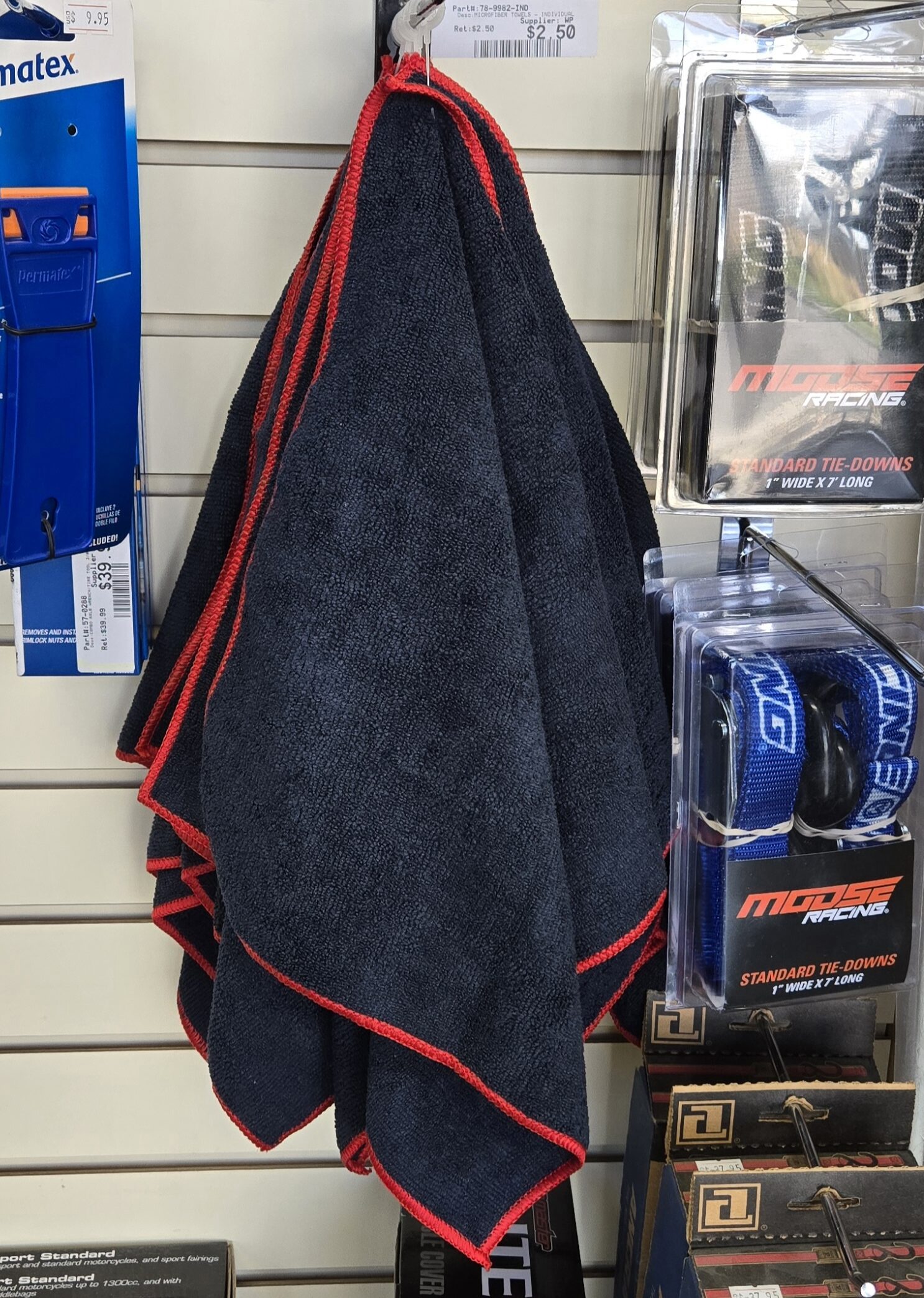
It sounds simple, but washing your bike regularly is one of the best ways to protect it. Dirt, grime, and road salt can corrode finishes and hardware over time.

A gentle wash and dry keeps paint, chrome, and plastics looking sharp — and gives you a chance to spot leaks, loose bolts, or other issues early.

Pro Tip:

Use a microfiber cloth and a low-pressure rinse. Never aim a pressure washer at bearings, seals, or electrical components.

Use Originals Spray Cleaner & Polish

Originals cleaner and protectant is one of our go-to products in the shop. It not only cleans and shines but also leaves behind a protective layer that helps repel dust and grime.

It’s quick, easy, and safe for plastics, paint, and metal — which makes it perfect for keeping your ride looking new.

You can grab a can at the shop anytime, it’s one of our most recommended products for a reason.
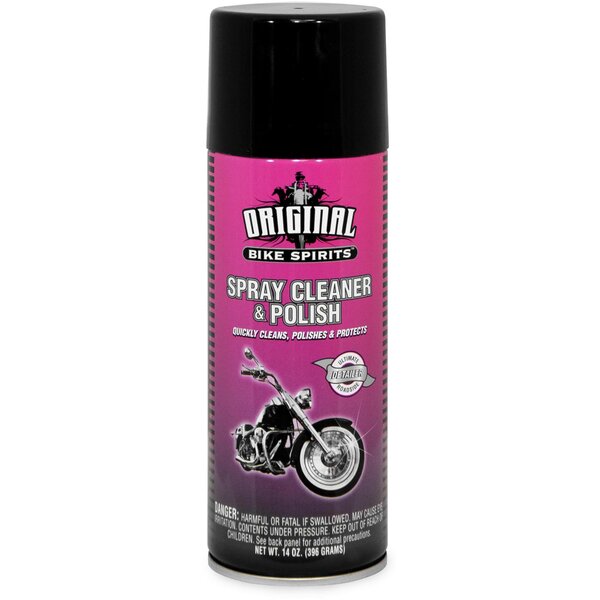
(a shop favorite) 
Don’t Skip Maintenance

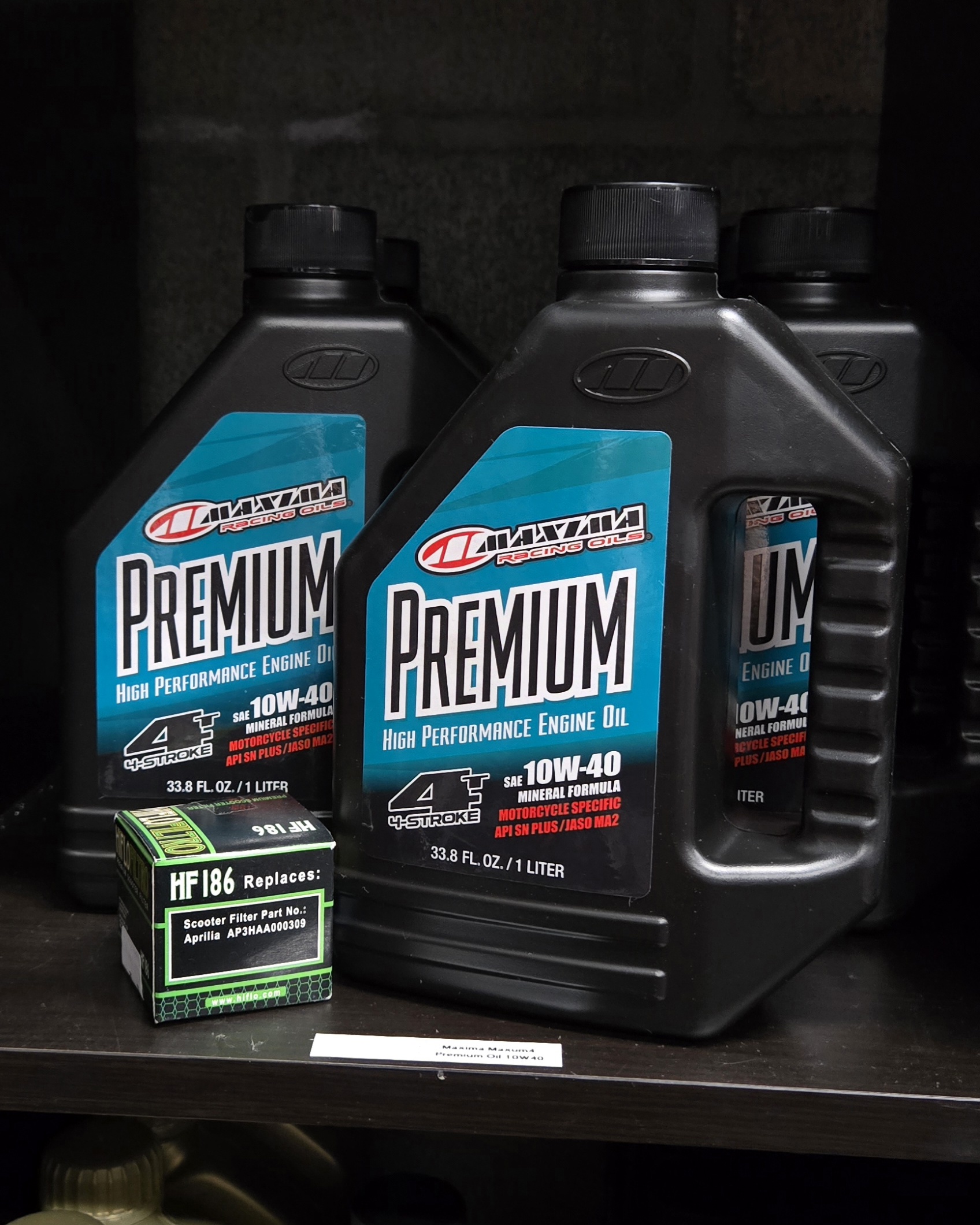
Regular maintenance isn’t just about performance — it’s about preservation.

Oil changes, coolant flushes, brake fluid swaps, and chain cleaning all prevent long-term damage.


Even small lapses can snowball into major repairs (and cost).

If you’re not sure where you stand, bring your bike by for a quick inspection, we’ll give it a once-over and let you know what’s worth addressing.

Keep Your Battery Happy

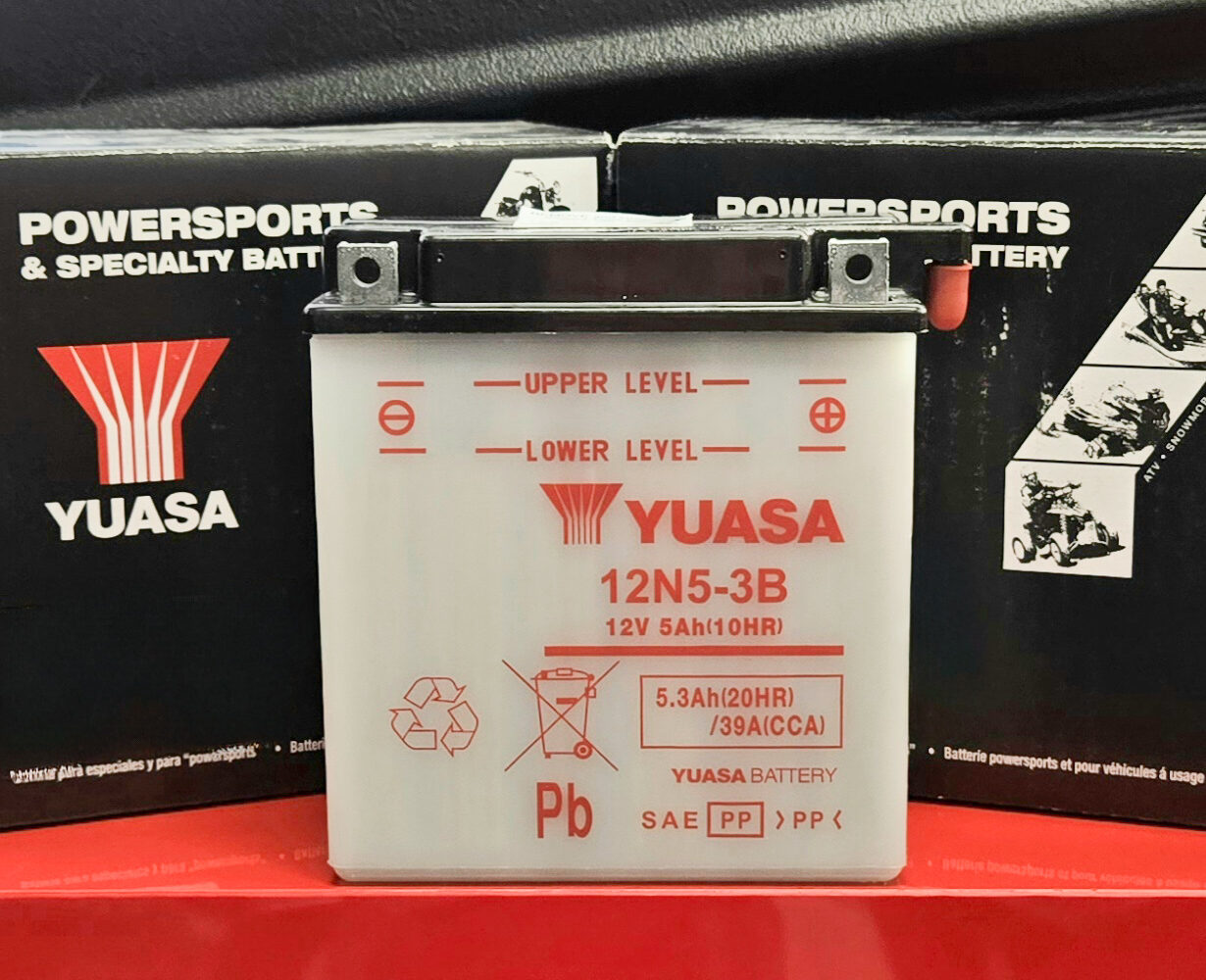
If your bike sits for long stretches, plug in a battery tender.

Dead or swollen batteries are one of the most common issues we see in spring — and one of the easiest to avoid.

Here at Fastback Moto we will test your battery for FREE and help you order a new one if it is needed.
Ride It! 

Bikes that sit too long can actually age faster than those that are ridden regularly. Seals dry out, fluids break down, and fuel goes bad. So don’t just polish it, get out there and ride.

Bottom Line:

Keeping your bike newer, longer isn’t about spending a fortune, it’s about consistent care. And if you need help keeping it in top shape, Fastback Moto is always here with the right products, the right service, and a crew that rides too.

Bonus Tip: Have Multiple Bikes

Want to keep your bike feeling new? Easy — have more than one.

Jumping from bike to bike gives you a whole new experience each time you ride. Just make sure they’re not all the same style — a mix of a cruiser, ADV, and sportbike keeps things interesting and gives each one a little rest between rides.

And if you’re wondering what the right number of bikes is, the answer is simple: N + 1 (N is how many you already own) It’s science. Don’t fight it.
When to Call the Professionals

When to Call the Professionals

Knowing When to Wrench and When to Phone a Friend

At Fastback Moto, we love seeing riders get hands-on with their machines. There’s nothing more satisfying than spinning your own wrenches, learning your bike inside and out, and hitting the trail or road knowing you made it happen.

We get it — times are tough, and saving a few bucks where you can makes sense. But we’ve also seen what happens when a “quick fix” turns into a full-blown teardown because someone skipped a step, used the wrong torque spec, or cross-threaded something important. (No shame — we’ve all been there.)

But sometimes, the smartest (and cheapest) move is knowing when to hand it off to the pros.  There’s a point where DIY turns into D-I-Why-did-I-do-this. So, here’s a quick guide to knowing when it’s time to call in Fastback Moto before your project eats your weekend and your wallet.

Why We Support DIY

If you ride off-road, enduro, or adventure, you should know some basics. It’s not about bragging rights — it’s about safety.

You’re 20 miles into the backcountry, no cell service, and your chain snaps. Or your tire goes flat. Or your clutch cable decides to call it quits. Knowing how to make simple trailside repairs can literally get you home in one piece.

That’s why we always encourage riders to learn the fundamentals:

  • Oil & filter changes
  • Chain & sprocket care
  • Brake pad inspection & replacement
  • Basic electrical troubleshooting
  • Tire and tube repair

We’ll walk you through these jobs or give you pointers if you’re trying to tackle them on your own. There’s pride and safety in learning.

When to Call the Professionals

That said, there’s a point where DIY turns into D-I-Why-did-I-do-this. Here’s a quick guide to knowing when it’s time to call in Fastback Moto before your project eats your weekend — and your wallet.

  1. You’re not 100% sure what went wrong.
    If your bike is running weird and you’re guessing what to replace, stop. Modern engines, fuel systems, and electronics can be tricky. You might end up throwing parts (and money) at the wrong problem.
  2. The job requires specialized tools.
    Some repairs call for things like torque wrenches, valve shim kits, or diagnostic software. If you don’t have it, you could damage more than you fix.
  3. You’re dealing with brakes, suspension, or electrical systems.
    These are safety-critical and can go south fast. A pinched brake line, misaligned fork, or wiring short can ruin a ride — or worse.
  4. The bolt won’t budge (or you already snapped it).
    Every mechanic has fought the “stuck bolt battle,” but once you’re into extractors and helicoils, it’s probably time for us to take over.
  5. You started taking photos “so you remember how it goes back together.”
    If you’re starting to feel unsure or overwhelmed, that’s a good sign to stop before things start to fall apart. If something isn’t lining up or you’re not sure what’s next, bring it in before the parts pile starts growing. We’ll help you sort it out, explain what’s going on, and get the project back on track.

Fastback Moto is here to Help, Not Hassle

We’re not here to gate keep. We’re here to keep riders riding. Whether you’re doing your own oil change or a full top-end rebuild, we’ll answer questions, recommend parts, and even inspect your work if you just want a second opinion before you hit the road.

We’d rather see you safe and confident than stranded or frustrated. And if a project ever goes sideways, we’ll get you back on track — fast.

Work Smarter – Not Harder

Doing it yourself is awesome, until it isn’t. There’s no shame in calling in the pros when the job outgrows your tools, time or skill. Sometimes spending a little now saves a lot later.

At Fastback Moto, we’ve seen it all — the stripped bolts, the “mystery noises,” the “my buddy said it just needed a carb clean” bikes. We’ll fix it right, explain what went wrong, and help you learn from it. That way, next time, you’re one step closer to being your own best mechanic.

So go ahead, grab that wrench. Learn. Try. Get your hands dirty.
And when you hit that moment where it feels like too much, call us.

Choosing The Perfect Ride: Skill Level

Choosing The Perfect Ride: Skill Level

“Each type of off-road motorcycle is tailored to specific riding preferences and terrain…”

First things first: Let’s quickly talk about your skill level and the distinction between beginner, intermediate, and experienced riders. This is primarily based on their level of skill, riding experience, and proficiency in handling motorcycles. Here’s a breakdown of the key differences between these rider categories.

Beginner Riders: Beginners may have just completed a motorcycle safety course or acquired their learner’s permit. They are still building fundamental riding skills and gaining confidence. If you’re new to riding, start with a lightweight and manageable bike. Consider a standard or cruiser-style motorcycle for a more comfortable and stable experience.

Intermediate Riders: Intermediate riders have spent more time on the road, gaining practical experience in various riding conditions. They are comfortable with basic maneuvers and have improved their riding skills.

As you gain confidence, you can explore sportier options like sportbikes or adventure bikes.

Safety gear remains a top priority for intermediate riders, as they continue to prioritize safety while enjoying more varied riding experiences.

“If you have to ask,

your probably not an

experienced rider.”

Experienced Riders: Let’s be honest, if you have to ask, you’re probably not an experienced rider. Experienced riders have logged a significant number of miles and years on the road. They have navigated various terrains, weather conditions, and traffic situations, which has honed their riding abilities. Seasoned riders have a wide range of choices, depending on their preferences. Sportbikes, touring bikes, and even custom builds become possibilities.  Experienced riders also know that there is always room for improvement and that additional training to continuously strive to improve their skills, ensuring they stay safe and maintain their riding proficiency.

Each type of off-road motorcycle is tailored to specific riding preferences and terrain, so choosing the right one depends on your experience level, the type of riding you intend to do, and your personal preferences.

Ride It Like It’s 1979: Vintage Maintenance Tips That Work

Ride It Like It’s 1979: Vintage Maintenance Tips That Work

Keeping Your Vintage Bike on the Road Where It Belongs

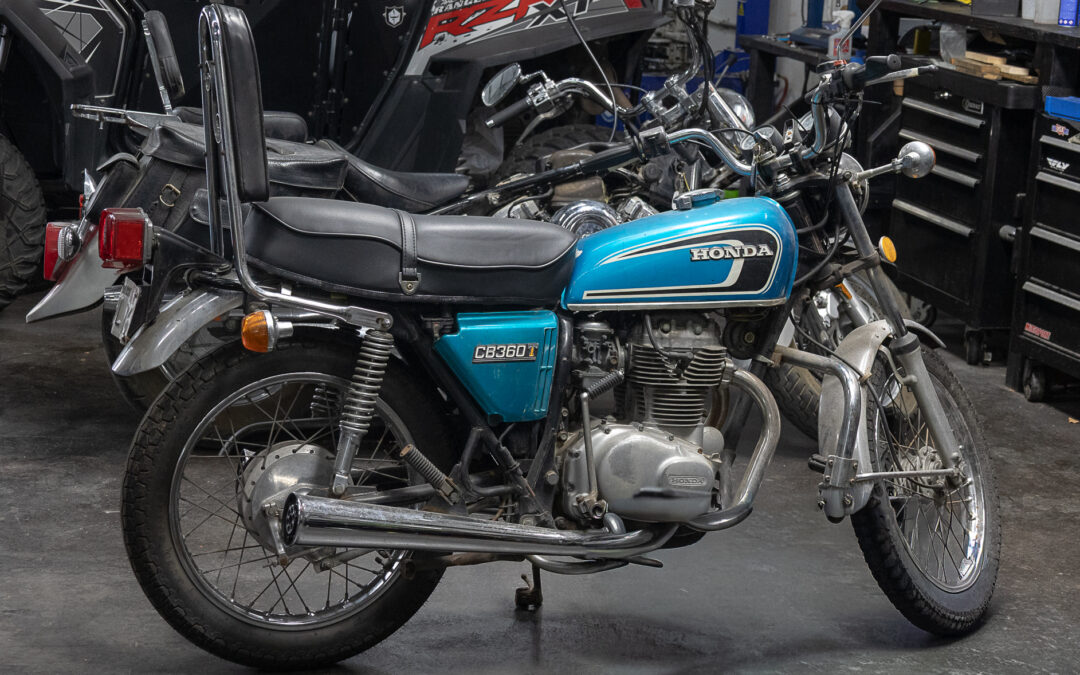
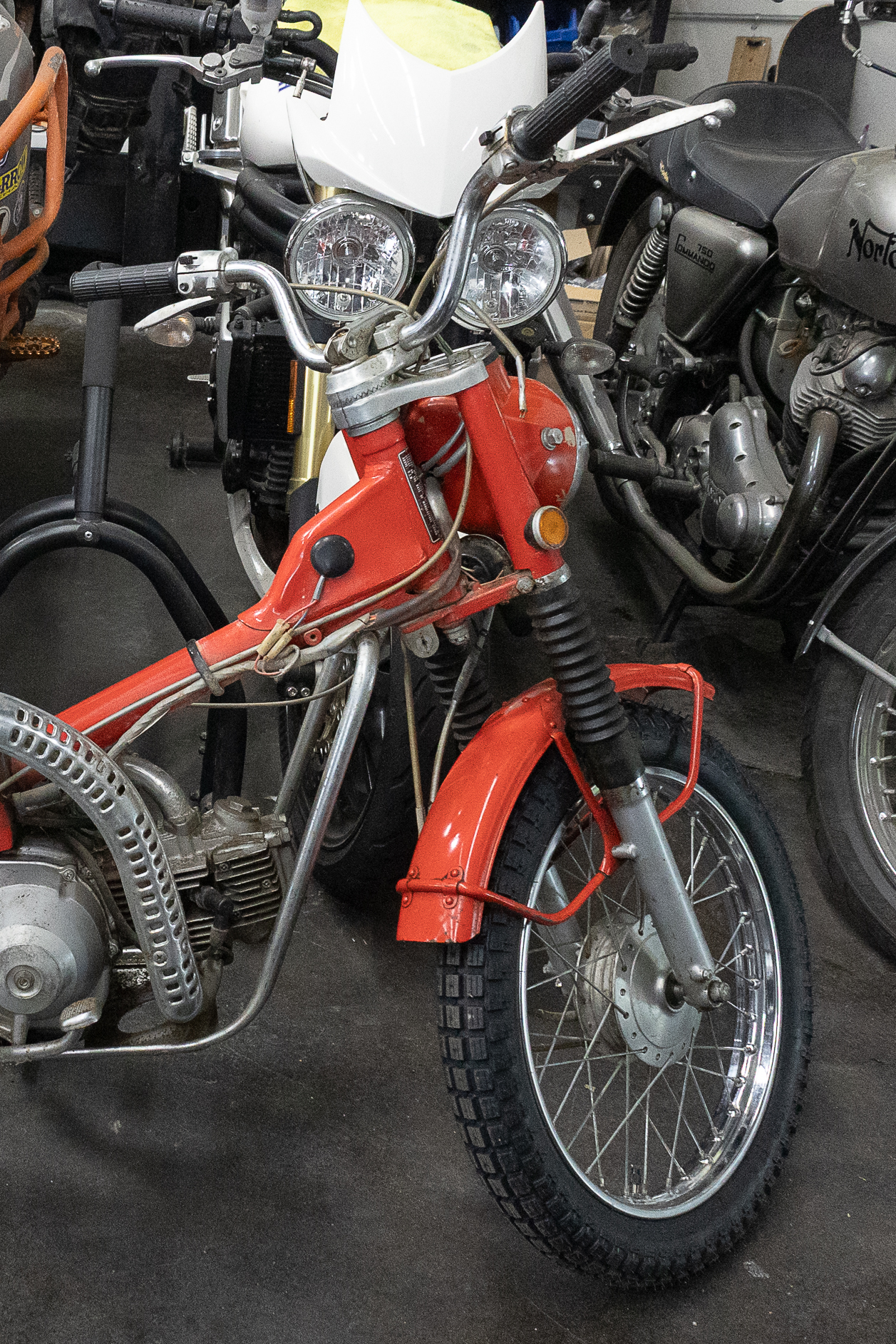
Most riders have that one old-school bike they’ll never forget. Whether it was the first one you rode, the one that got away, or the one you swore you’d fix up someday. These bikes aren’t just machines; they’re connections to the past, reminders of who we were when we first fell in love with riding. Tyler’s first bike was a Rupp mini when he was just 4 years old. So our love for vintage bikes runs deep. Whether it’s a dusty backyard find, a family heirloom that holds memories, or the bike you’ve always wanted and now you have, we get it these bikes still matter.

While there’s no strict definition, bikes from the late older than the early 1990s are often labeled vintage, especially if they bring to mind a sense of nostalgia. These bikes are recognized for their simplistic quality and design.

Working on older motorcycles isn’t always fast, easy or lucrative. Nonetheless, for us, it is a labor of love. It takes mechanical know-how, time, patience, and most of all, respect for how these bikes were built. That’s why Fastback Moto is one of the few shops that actually welcomes vintage bikes. We enjoy the process: the detective work, the tuning, the challenge — and that incredible moment when an old motor breathes again.

Whether you ride yours regularly or keep it tucked away as a collector’s piece, a little care goes a long way toward keeping it alive for years to come.

Tips to Keep Your Vintage Bike in Top Shape

Use ethanol-free gas

Vintage rubber and gaskets weren’t made to handle modern ethanol blends. Ethanol-free fuel helps reduce wear and makes cold starts easier — especially if your bike sits for long periods.

See https://fastbackmoto.com/fuel-facts-every-rider-should-know/


Treat your tank right

If your tank has rust or damage it will need to be cleaned and resealed. If this is the case the rust and debris will need to completely stripped and removed before the tank gets resealed. be avoid Kream coatings at all costs. They will flake off and clog your fuel system. Instead, use Caswell epoxy, which bonds better and holds up to ethanol.

Here’s the product we recommend:  https://caswellplating.com/epoxy-gas-tank-sealer.html   

Stick with OEM carbs when possible

Don’t toss your original carburetors. Most of the time, we can clean, rebuild, and re-tune them. Aftermarket carbs often cause more tuning problems than they solve.

Don’t skip basic maintenance, even in storage

If your bike isn’t ridden often:

  • Drain the tank instead of relying on fuel stabilizers
  • Keep the battery charged by starting it every couple weeks or disconnect the battery entirely
  • Check tire pressure if sitting for long periods of time and before each ride. Tires should also be changed every 5 years regardless of tread wear.
  • Lubricate the chain
  • Ride the bike every few weeks if possible to keep the clutch and seals well lubricated.
  • Keep the bike in a garage or out of direct exposure to the elements if possible.
    UV exposure and time make vintage plastics and wiring brittle. When working on the bike, use care when unplugging connectors or removing covers to avoid cracking old parts.

Thinking of Buying a Vintage Bike? Here’s What to Watch For:

Look for the following:
  • A matching engine and frame VIN
  • Signs of original paint or decals
  • An intact wiring harness (no wild splices or electrical tape patches)
  • A clean title (or at least a verifiable bill of sale)
  • Compression — we can test this for you
  • How complete it is: missing parts = more expense later
Red flags:
  • Missing side covers or gauges
  • Rust in the tank (a little is fixable, a lot is a project)
  • Rebuilt title with no history
  • Cracked engine cases or stripped bolt holes
  • No proof of when it last ran.

If you’re unsure, bring it by or send us pics. We’ll help you figure out if it’s a solid find or a money pit in disguise.

Cutting Through the Noise and Knowing Which Motorcycle Advice to Trust

Cutting Through the Noise and Knowing Which Motorcycle Advice to Trust

“Every Rider is an “Expert”…”

If you’ve spent any time hanging out at a bike night, scrolling forums, deep-diving YouTube, or lurking in Facebook groups, you’ve already seen it, every rider’s an expert.

Someone always knows a guy, swears by a trick, or heard a tip passed down from their buddy’s cousin’s race mechanic back in ’92.

Swapping tales and tips is part of what makes motorcycle culture great. And hey, we love a good shop story as much as anyone. But here’s the problem, not all advice is good advice. And most people giving advice don’t even realize when they’re leading you astray.

Some of it is valid. Like “Always check your tire pressure before you ride”.
Some of it is harmless but may be outdated or not applicable to your bike or ride style.
And some of it could cost you money, damage your bike, or leave you stranded miles from home.

Fastback Moto will be your personal guide to help you cut through the noise and give you the kind of advice that keeps your bike on the road and your wallet in your pocket based on what actually works in the real world, on real bikes, with real riders.

At Fastback Moto, we have seen it all. The good, the bad, and the flat-out ugly.
We’ve seen impressive roadside fixes that saved a ride, and half-baked “hacks” that turned a minor issue into a major rebuild.

We’ve had bikes towed in because someone followed a viral YouTube trick. We’ve seen engines cooked from bad oil advice. Chains wrecked by the wrong lube. Brakes ruined by backyard bleed jobs.

And the worst part?
A lot of those folks were “just trying to help.”

Our job at Fastback Moto isn’t to upsell you parts you don’t need or pressure you into services you don’t require.
It’s to give you the kind of advice that keeps your bike on the road while keeping your hard-earned money. Advice is based on what actually works in the real world, on real bikes, with real riders.

Before you jump on any random tip you hear in a parking lot, forum thread, or social post, run it through this checklist:

  • Check your owner’s manual first. It’s literally your bike’s personal guideline. No one understands your machine better than the people who built it.
  • Ask a shop that works on bikes every day. A good, independent, rider-owned shop (like us) has seen what causes real-world problems.
  • Be skeptical of viral “hacks.” If it sounds too good to be true, or way easier than it should be, it probably is.
  • Consider the source. Are they a pro wrench with real-world experience? A seasoned rider who’s racked up serious miles? Or a keyboard cowboy whose “expertise” is mostly hypothetical and second-hand?
  • Understand the context. What works for a 40-year-old carbureted cruiser might wreck your modern fuel-injected sport bike.

Bottom line:
Just because someone is confident doesn’t mean they’re correct.

🔥 Why Most Bad Advice Sticks Around

Because it sounds good.
Because it seems simple.
Because it might have worked once for one guy on one bike in one specific situation and that story gets told over and over like gospel.

And nobody wants to be the one to call BS on a buddy at bike night.

But you know what?
Your bike doesn’t care about anyone’s ego.
It only cares about the truth.

Final Word from Tyler and the Crew

In a world where everyone’s an expert, you (and your bike) deserves facts.
Fastback Moto is here to help you cut through the noise, dodge the bad advice, and ride smarter.

We’ll tell you what works, what doesn’t, and why — based on what we’ve actually seen out on the road and in the shop.

And if you ever hear a piece of advice you’re not sure about? Bring it to us. We’ll shoot you straight.

Your Turn — Drop It in the Comments!

What’s the worst piece of motorcycle advice you’ve ever heard?
Got a hack that actually worked?
Have a question you’ve been too afraid to ask in front of the “experts”?

💬 Post it below.

We’ll be pulling your best, worst, and weirdest for future myth-busting posts.
Let’s see what you’ve got.


Not Sure Who to Believe? Let Fastback Moto Diagnose It

Here’s the thing about motorcycle problems — they don’t always show up where you expect.
A weird idle could be fuel-related, electrical, or even a vacuum leak. A brake issue might feel like worn pads but turn out to be a warped rotor or seized caliper. And that random clicking noise? Could be something — or nothing at all.

This is why Fastback Moto doesn’t rely on just a scan tool and a guess.

🔧 When We Diagnose a Problem, We Use Everything

When you bring your bike to us for a diagnostic, you’re getting:

  • 🧠 Years of real-world experience across every kind of bike
  • 🔍 A multi-factor process — listening, smelling, feeling, checking wear patterns, and yes, sometimes even tasting the damn gas if it comes to that
  • 🛠️ The right tools and modern equipment — but not in place of skill
  • 📊 Code scans and data logging — only one piece of the puzzle

Problems can be more complex than they seem, or way simpler than they look.
We’ve seen bikes towed in for “electrical failure” that turned out to be a bad ground. Or bikes misfiring because someone filled up with stale lawnmower gas.

A computer might give you a list of codes.
We give you answers.

🏍️ Why It’s Worth Having Us Diagnose It

When we look into your issue, we’re listening to what the bike’s trying to tell us. The way it cranks. The smell of the exhaust. The way the chain tension feels under load. The color of the plugs.
Tyler’s basically a bike whisperer.

He can tell the difference between a lazy sensor, a fuel starvation issue, or a timing problem just from how it sounds at half throttle.
And while we joke about it in the shop — truth is, experience like that saves time, money, and keeps bikes where they belong: on the road, not on a lift.